Changing canon is like handling plutonium not playing it safe
The world of comic book backstories is often a fluid landscape, where history is assembled piece by piece to serve the narrative. Yet, within the high-stakes drama of television, there are rules that matter, and subtle shifts in those rules can dramatically reshape a hero’s journey. This principle is beautifully explored in the series Lanterns, where the exploration of character history transcends simple lore to delve into profound psychological truth.
While foundational elements—like Superman landing in Kansas or Bruce Wayne’s early trauma—remain largely fixed, the show takes a courageous leap by reexamining the origins of a key character. This decision, particularly concerning the legacy of Hal Jordan, proves to be far more than a simple retcon; it fundamentally reframes the entire arc of the character and the depth of the actor’s performance.
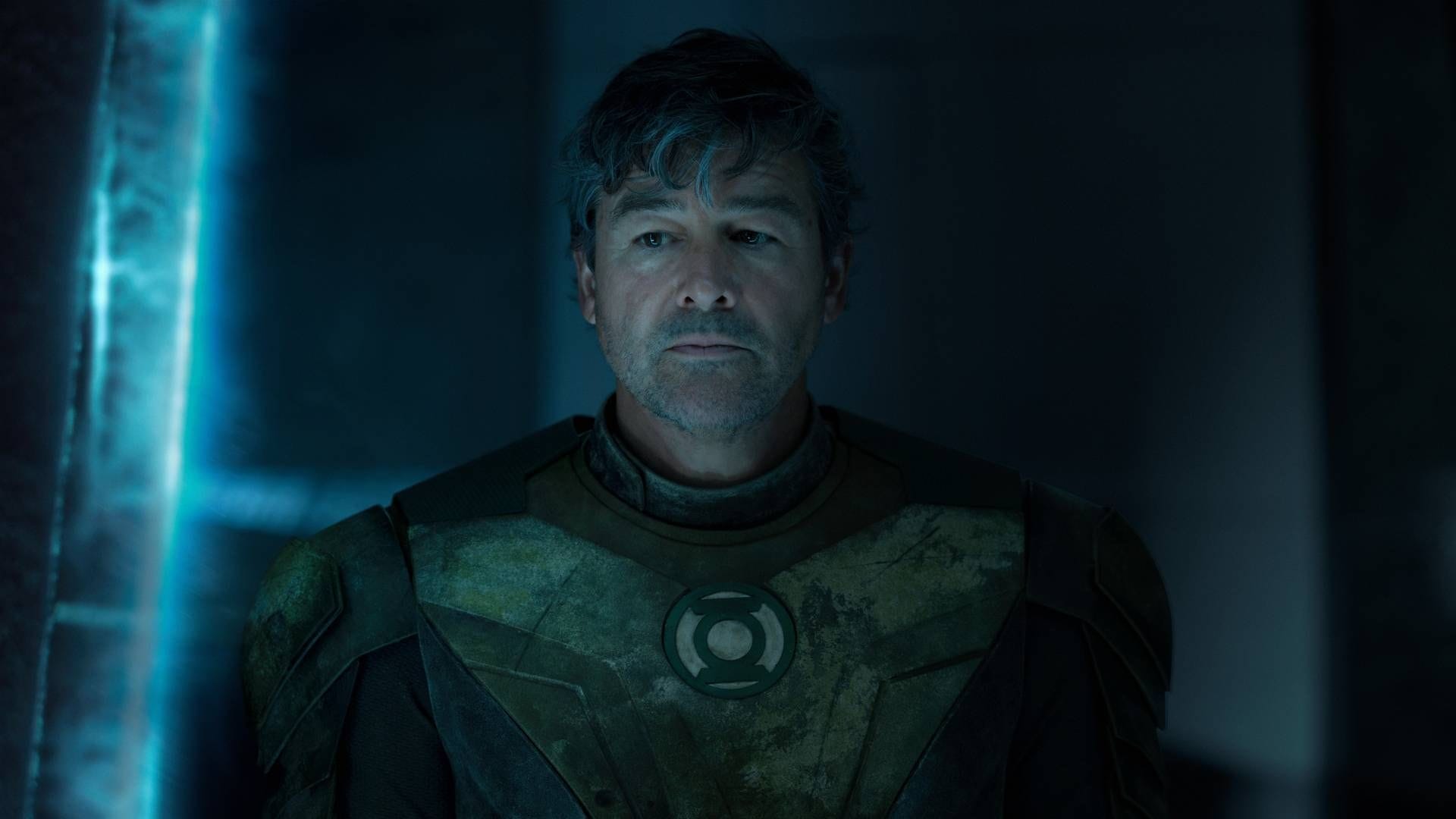
In the penultimate episode of the first season, viewers and the character of John Stewart discover something far more potent than an interstellar trinket or a comic book MacGuffin: the ‘Jordan Boys’ Legacy.’ This isn’t just a historical footnote; it is a tangible display of generational trauma passed down through the Jordan lineage.
The revelation shifts the context of Hal Jordan’s life. It suggests that the motivations and struggles of the character are deeply rooted in inherited pain. Hal’s father, in that pivotal test flight, desired an end, and the weight of that unresolved history has shaped Hal’s subsequent mental health battles.
This layered approach to storytelling was not arbitrary. Showrunner Chris Mundy and co-creator Damon Lindelof were keenly aware of the responsibility that comes with altering established canon. As Lindelof noted, playing with canon is akin to handling something volatile, requiring a careful approach. However, there is also a powerful drive for creativity and originality that pushes creators to iterate.
Mundy explained that the changes were intentional, designed to build the character rather than merely decorate the plot. The goal was to weave more history, more darkness, and a deeper examination of the character’s internal pathology. The narrative sought to deepen the understanding of who Hal Jordan is, making the mystery surrounding his fate even more compelling.
By focusing on the psychological cost of history, the show sharpens the central question: who was responsible for killing Hal Jordan? The introduction of the Jordan Boys’ Legacy amplifies the stakes, turning the pursuit of answers into an investigation of inherited suffering.
Ultimately, Lanterns uses its narrative freedom to explore the darker, more complex sides of heroism. It demonstrates that by allowing history to inform the character’s very being, creators can achieve a level of emotional resonance that transforms a superhero tale into a deeply human drama.
The series is currently streaming on HBO and HBO Max in the United States, and on NOW TV and HBO Max in the United Kingdom.
Credit
