Chinatown Wars: The Action Heart of GTA
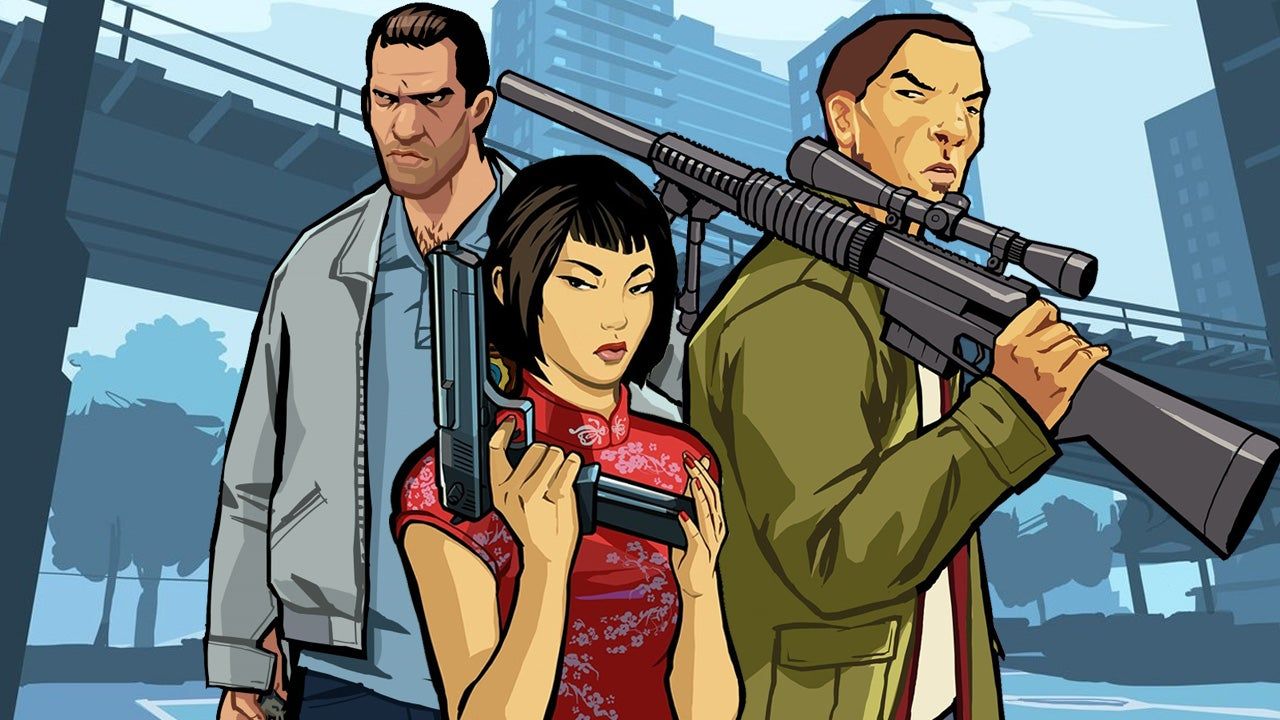
It’s a genuine miracle that Grand Theft Auto: Chinatown Wars ever made it. Launched in March 2009, this game arrived as a handheld exclusive, packed with touch-screen carjacking, bloody gunfights, and high-stakes drug deals—a package you truly would never have expected to see debut on the Nintendo DS.
When GTA 4 had already cemented its reputation as the undisputed king of criminal open-world games, the industry was focused on gritty realism and cutting-edge graphics for home consoles and PCs. The question was: would Rockstar shrink down that ambition for the portable systems, or remain committed to the big screen? Most expected a gradual porting of their sprawling world onto handhelds.
But Chinatown Wars didn’t just follow expectations; it redefined them. It was a top-down, cel-shaded masterpiece starring a new Triad protagonist who used the touchscreen to steal cars and fire off sniper rifles in Liberty City. At first glance, this felt like a step backward for the sprawling GTA series, yet it managed to shrink Rockstar’s chaotic vision and make it feel perfectly at home on a modest handheld system.
The brilliance of Chinatown Wars lay in how effectively it bridged the gap between GTA’s classic top-down origins and its modern, fully 3D open-world chaos. By eliminating visible cameras, the game shifted the focus from surveillance to sheer vehicular mayhem, reducing the visibility of drug smuggling and making every encounter a higher-stakes, more visceral experience.
The gameplay introduced mechanics that were pure dynamite. Instead of simply driving through the city, players were encouraged to engage in aggressive car smashing—bashing police vehicles into buildings or watching them get destroyed while you sped past. This revolutionary system for lowering your wanted level added an explosive layer of tension and thrill to every chase, turning routine law enforcement pursuits into explosive acts of vehicular vandalism.
When these aggressive chases overlapped with the drug dealing subplot, the stakes became incredibly high. Because reckless driving affected your vehicle, players had to balance pure anarchy with calculated risk, juggling thousands of dollars worth of narcotics that could be seized or destroyed in a fiery crash. It created a feeling of manic exhilaration while you juggled multiple crimes at once—a perfect distillation of the GTA experience.
Beyond the action, the game offered a unique dive into the criminal underbelly of Liberty City. Players navigated territories controlled by unique gangs, each with their own preferred drug, encouraging exploration and interaction that felt reminiscent of classic calculator crime games. This system introduced depth to the world, allowing for endless opportunities to deal, double-cross, and survive in the shadows.
The narrative centered on Huang Lee, whose firecracker attitude and thirst for vengeance made his warpath incredibly believable. While he lacked the earnest emotional weight of characters like Niko Bellic, his no-nonsense approach gave players a feeling of pure, unadulterated freedom as he plunged deeper into the city’s seedy heart.
That unique blend of innovative gameplay systems and compelling criminal storytelling made Chinatown Wars more than just a port; it was an era. It demonstrated that Rockstar Games could take their massive franchise, shrink it down for any platform, and inject entirely new mechanics without losing the core DNA. Today, looking back, this game remains an immensely satisfying and kick-ass entry—a perfect reminder of how much fun truly innovative design can bring to a world of crime.
Buy on Amazon
Credit