Chip workaround saved the Neo Geo AES+ from AI disaster
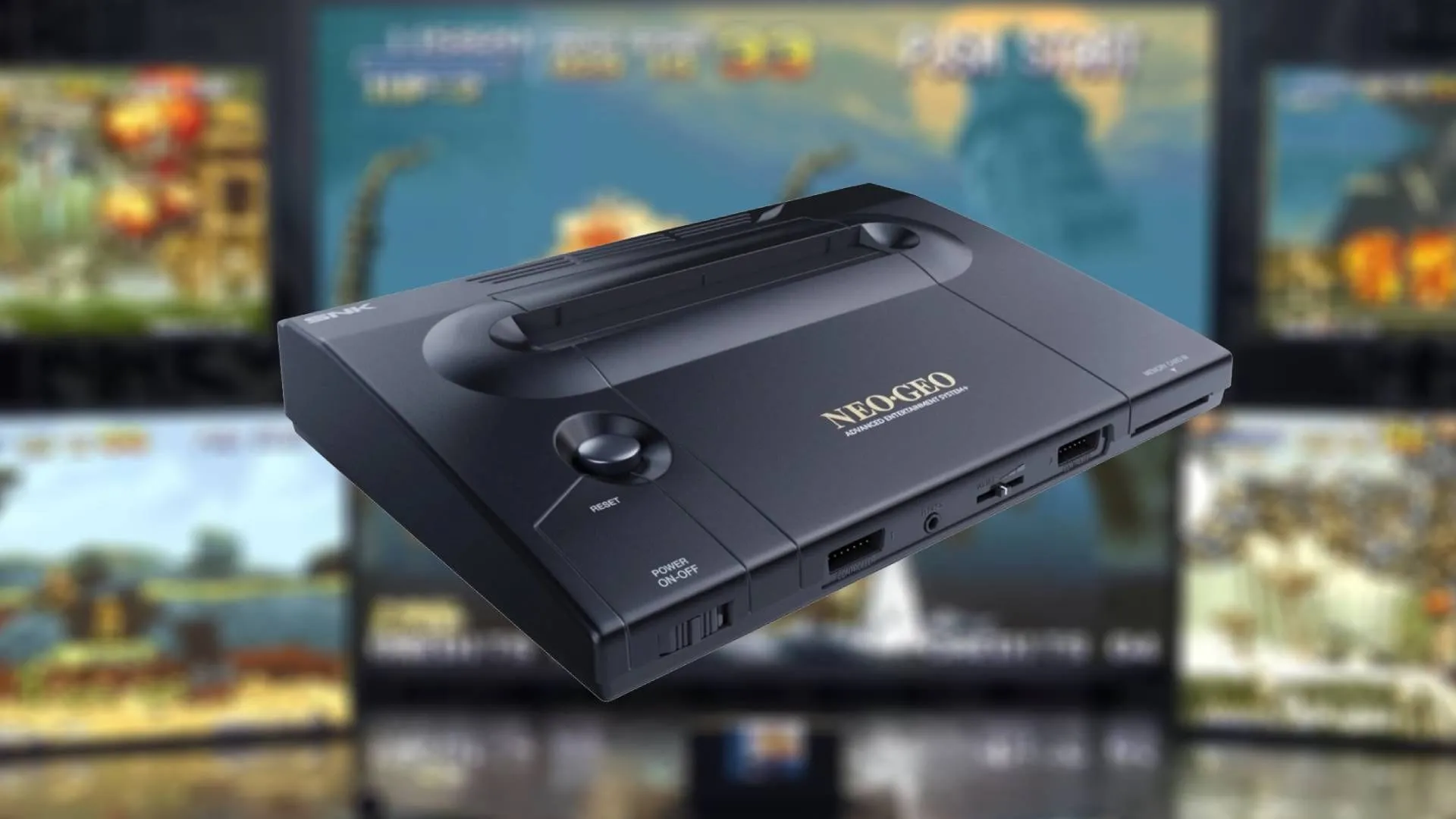
The world of retro gaming is often defined by nostalgia, but sometimes, it is defined by supply chain disasters. The ambitious project to bring the classic Neo Geo experience into the modern age, the Neo Geo AES+, faced an existential threat not from gaming enthusiasts, but from the merciless demands of the artificial intelligence revolution.
This high-stakes hardware remake, once a frontrunner, nearly ground to a halt. While the public often focuses on GPUs and RAM in the context of AI data centers, the true bottleneck lay deeper in the supply chain, specifically the very flash chips needed to build the console. For the developers at Plaion, the project was, for a time, on the brink of collapse.
The crisis unfolded when the team attempted to procure the necessary components following a successful launch. Hardware and software director Ben Jones detailed how the extreme focus on AI fabrication meant that the demand for memory chips was skyrocketing, placing the Neo Geo project squarely behind the fabrication queue. When the team sought the chips they needed, they were reportedly refused, forcing a dramatic reevaluation of their entire plan.
The pressure was immense, but Plaion refused to surrender. Having already secured chips for the iconic cartridges, the team devised an ingenious engineering workaround. They realized they could bypass the shortage by shifting the type of memory used. The solution involved leveraging a process to convert signals from the standard parallel flash format used by the Neo Geo system into the more readily available serial flash format.
This transformation allowed them to utilize chips that were in easier demand, effectively side-stepping the crippling shortages caused by the AI boom. This clever maneuver, involving the conversion of signals, necessitated a delay, pushing the Neo Geo AES+ launch back to September 2027. As the Chief Technical Officer confirmed, this path, though lengthy, was a necessary compromise.
Despite the delay, the core vision remained intact. The resulting Neo Geo AES+ is set to mimic the original system at a hardware level, avoiding the complications of emulation or FPGA chips. It promises a faithful experience for those who can wait.
The machine itself is priced at $249.99, and it comes paired with the recreated, authentic cartridges, which will also be available for purchase, adding another $69.95 to the cost. It remains a high-end piece of retro hardware, confirming that even in the age of chip scarcity, some engineering triumphs can prevail.
While the technical hurdles were overcome, the project continues to navigate the broader landscape, with enthusiasts still weighing the final product against the backdrop of other supply constraints and the complexities surrounding the original arcade system’s associations.
Buy on Amazon
Credit