Chris Wilson on why hardcore players want ARPG speed breaks
The evolution of Role-Playing Game design is less about new features and more about a fundamental debate: what truly constitutes worthwhile character progression? For some players, the modern approach—intuitive, fluid character growth—is pure satisfaction. For others, the action-RPG genre demands a return to the structured, turn-based days of yore, where every stat felt earned and precisely calculated.
This difference in preference stems from how games handle key mechanical changes. As co-creator of Path of Exile, Chris Wilson suggests that many action-RPG enthusiasts find modern character progression less engaging because it lacks clear benchmarks. The problem lies in what game designers call breakpoints—the exact points at which an action stat actually shifts or improves.
In many contemporary games, abilities don’t increase smoothly with level; instead, they jump in discrete increments once a certain threshold is met. For instance, you don’t get instantly faster spellcasting every time you level up. Your ability only increases after you reach a specific number of levels.
“There are arbitrary sweet spots for attack speed, cast speed, and hit recovery that players want to reach,” Wilson explains. The satisfaction comes from hitting these noticeable milestones.
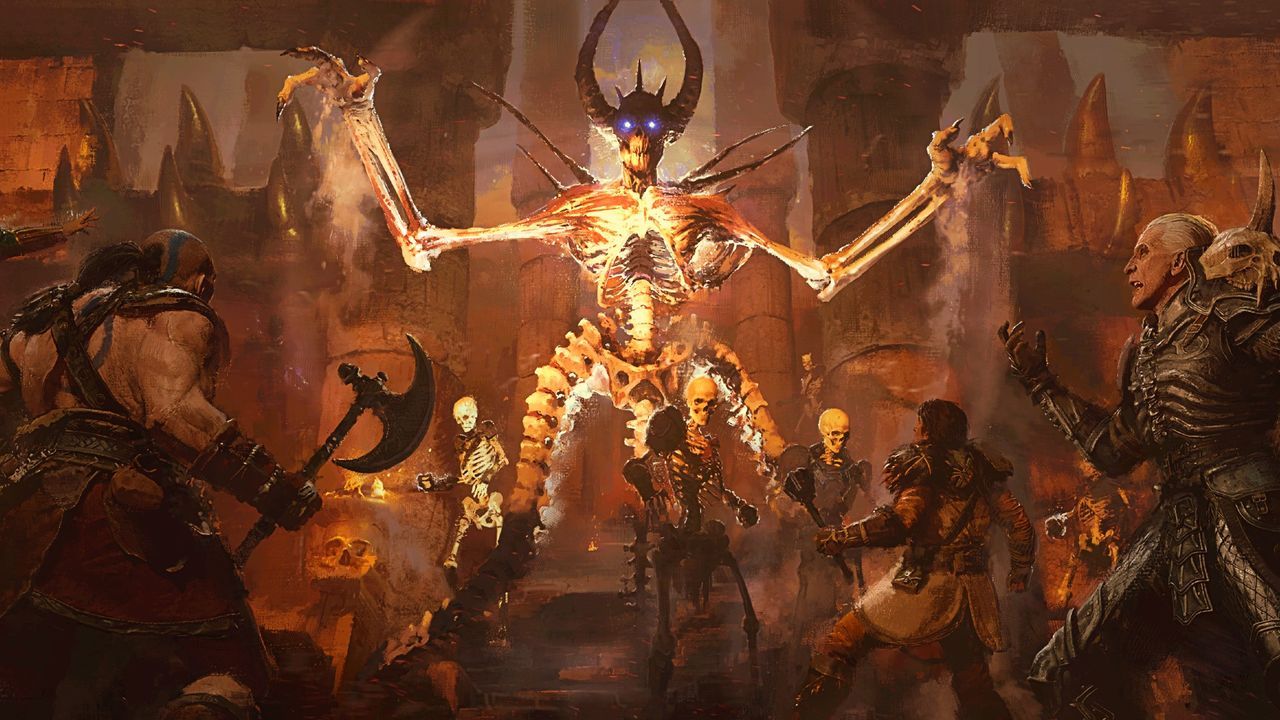
This focus on measurable gains is what defined classic action-RPGs. Players seeking maximum efficiency didn’t just play the game; they optimized it. For titles like Diablo 2 and Dark Souls, players frequently created detailed spreadsheets or used pen and paper to map out these speed breakpoints, optimizing their builds around specific thresholds.
This process of strategizing for tangible results brought a deep layer of engagement. It allowed players to test the developers’ balancing and truly understand the mechanics they were mastering. In that context, optimization wasn’t just math; it was an essential part of the gameplay experience.
When modern action-RPGs fail to incorporate these discernible breakpoints, they risk alienating a dedicated player base. Those who live for a satisfying progression graph need those clear milestones. To appeal to this long-standing audience, developers must respect the established rules and allow players the space to strategize around specific thresholds.
Ultimately, whether evolution is worthwhile in RPG design depends on which kind of experience you prioritize: fluid intuition or structured optimization. For fans who seek a connection between effort and observable reward, respecting those classic pacing elements remains key to creating truly memorable action-RPG experiences.
Buy on Amazon
Credit