Clair Obscur breaks T-Pain with a “too sad” intro
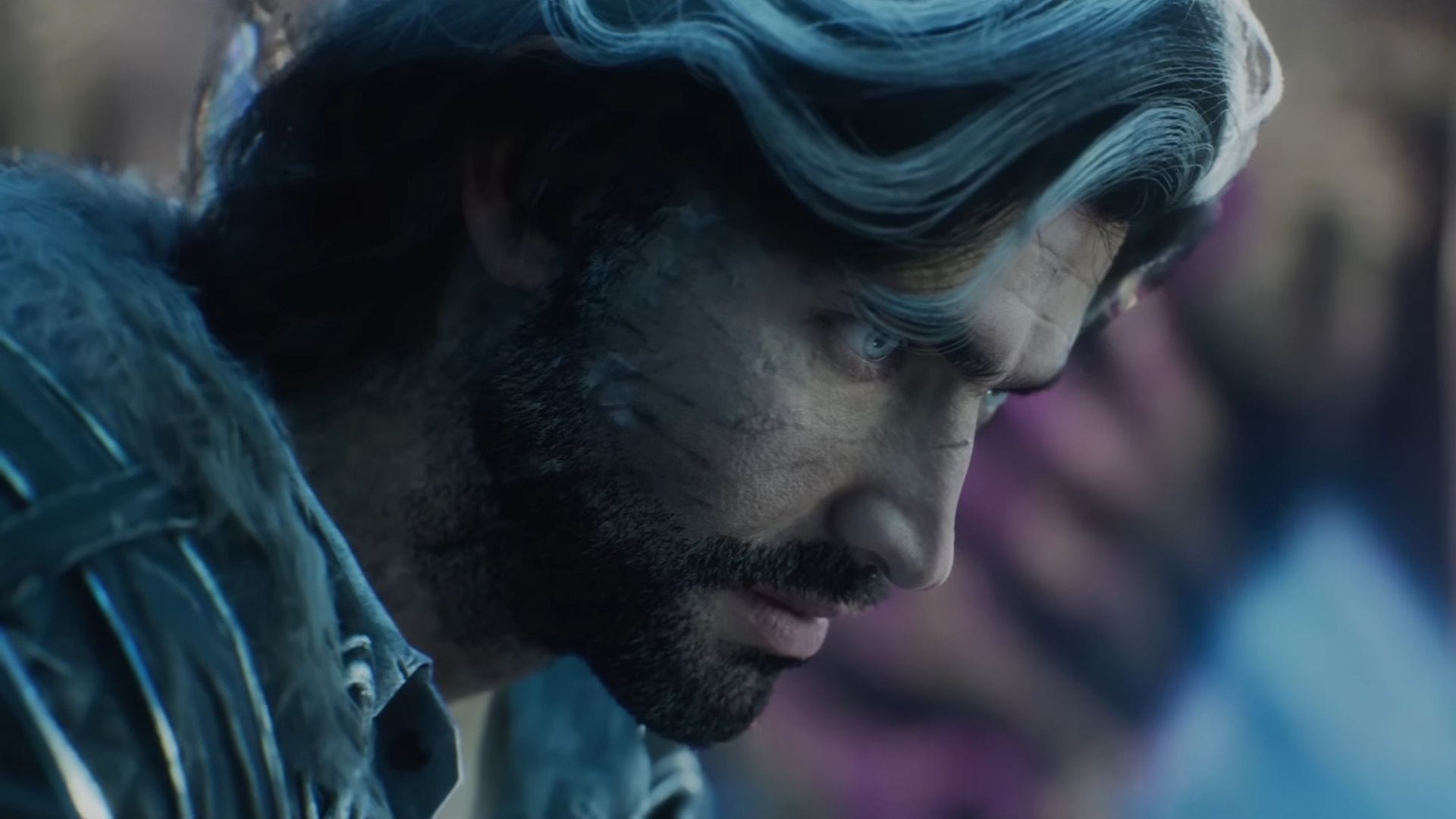
Some stories, by their very nature, exist to break hearts. When the emotional arc of a narrative dips into truly bleak territory, the resulting experience can be overwhelming, leaving the audience reeling. This is a common paradox of modern entertainment: we seek out powerful narratives, yet often struggle to endure the emotional toll they exact.
Rapper T-Pain recently encountered this dynamic firsthand while diving into the world of gaming. In a video shared on his Nappy Boy Gaming channel, the rapper explored the opening sequence of Clair Obscur: Expedition 33 and quickly reached an emotional impasse.
The game’s prologue presented a notoriously tragic scene, involving the loss of a character named Sophie. As T-Pain witnessed this devastating event, the reaction was palpable. After a brief moment of stunned silence, he let out an exasperated sound, signaling his emotional exhaustion. An offscreen voice noted his reaction, clearly sensing the weight of the moment.
When asked if the story was too sad, T-Pain’s response was immediate and honest: “Yeah, it was too sad,” he admitted, laughing through the tension. This moment highlights a deep human tension—the desire to engage with powerful art versus the desire to avoid profound sorrow.
As T-Pain continued, he received a subtle warning that the emotional experience was not merely a fleeting sadness, but a deeper descent. The implication is that the narrative intensifies, pushing the viewer further into uncomfortable territory. This warning serves as a reminder that some stories are designed not just to entertain, but to challenge.
This experience invites a broader reflection on the types of stories we gravitate toward. Whether it is a harrowing video game or a literary masterpiece like The Last of Us, these narratives often succeed because they offer an uncompromising, realistic view of human experience. They cast aside simple notions of heroes and villains, allowing us to absorb the complexity of tragedy without necessarily offering a neat, comforting redemption.
Ultimately, the reluctance to continue watching a story doesn’t stem from a lack of empathy, but from a natural human instinct to manage emotional energy. We seek balance—a way to engage with profound experiences without feeling entirely depleted. Sometimes, the most engaging entertainment is not the one that offers a happy ending, but the one that demands we confront the full, sometimes painful, spectrum of human emotion.
Buy on Amazon
Credit