Claude stops users from recreating games using AI tech
The AI Game Dilemma: Anthropic Draws a Line in the Code for Game Developers
The world of gaming is buzzing with a new, wild frontier: AI-powered game development. As developers experiment with “vibe-coded recompilations” and instant PC ports, the lines between creation and imitation are blurring faster than ever. In response to this rapid evolution, major AI developers are stepping in to establish new guardrails, and Anthropic, the developer behind Claude AI, has recently made a notable move to manage the ethical landscape of game replication.
Anthropic has updated its code with a new rule designed to curb the use of Claude for recreating existing, specific games. This intervention aims to prevent users from infringing on intellectual property rights when leveraging the AI technology to rip or reconstruct established works. The core principle is simple: AI should be a tool for genuine originality, not a factory for digital copies.
The new policy explicitly steers the technology toward legitimate creativity. The rule states that users must build games based on their own ideas, original designs, and assets. It clearly draws a distinction between generating entirely new concepts and simply recreating established titles. As one of Anthropic’s technical staff explained the change, the goal is to ensure that games built using the AI stay focused on user-generated originality, rather than infringing on the work of others.
“Do build original games, games in a genre, and games from the user’s own designs and assets. Don’t build a recreation of a specific existing game, even if it is renamed or called original,” the new guideline dictates. This policy seeks to keep the door open for genuine innovation—allowing users to create unique experiences and build games within established genres—while firmly closing the door on blatant replication of existing intellectual property.
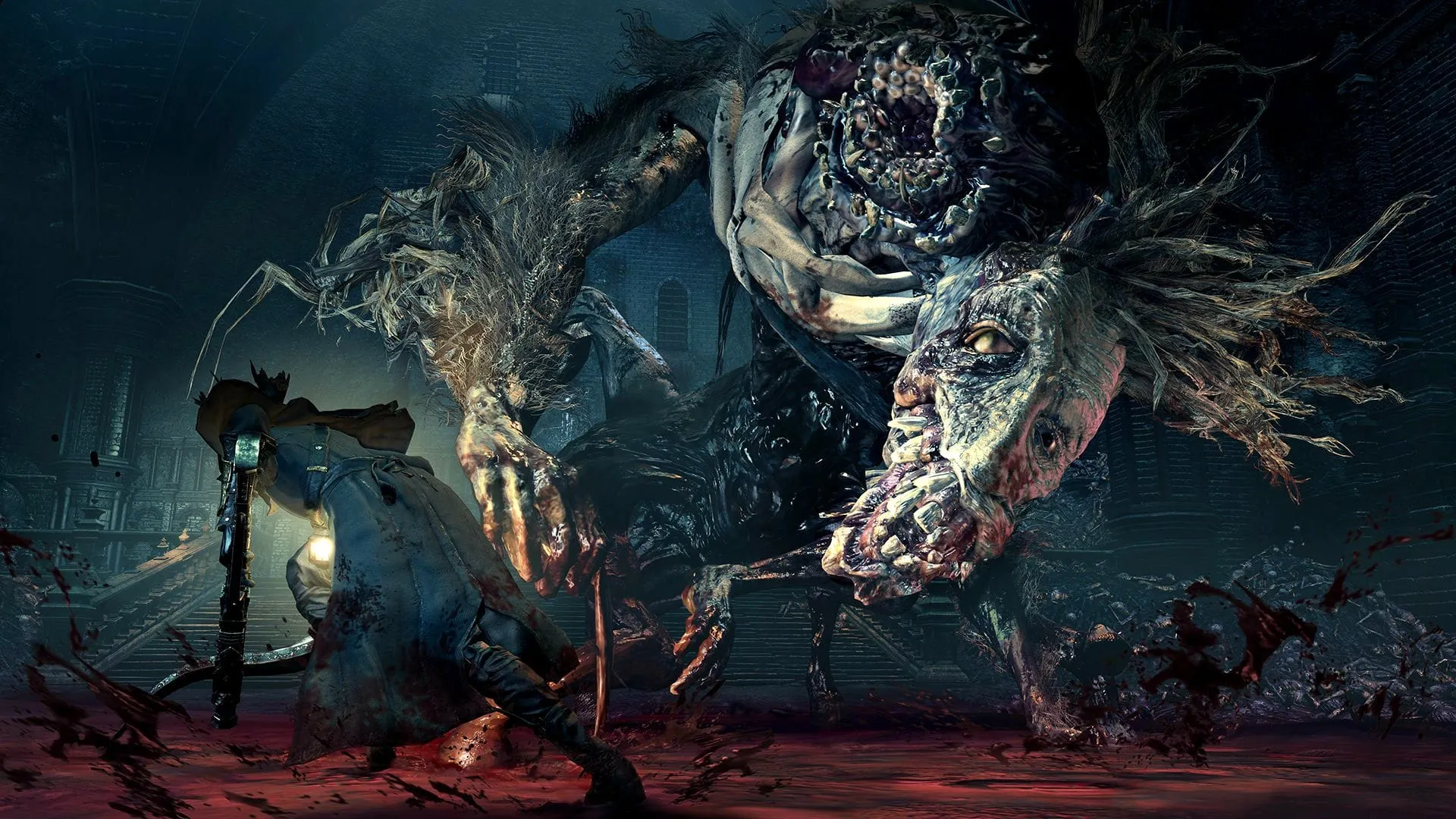
This update comes at a critical time, as the AI-fueled gaming landscape is already seeing high-profile examples of this tension playing out. We have already seen viral projects, such as the PC ports of classics like Bloodborne and the AI-infused rebuilds of Mario Kart Wii and The Legend of Zelda: Link’s Awakening, all utilizing AI in their development. While these projects demonstrated the power of AI in the industry, they also highlighted the potential for uncompensated replication.
The developers are now grappling with the implications of these viral trends. While the technology allows for astonishing speed in development, Anthropic’s intervention forces a conversation about ownership and fair use within the AI ecosystem. It is an effort to strike a crucial balance: encouraging creative freedom without allowing digital theft to become the norm.
Ultimately, while this rule won’t halt the general use of AI for vibe-coding or experimentation, it sets a precedent for responsible AI deployment in the gaming sphere. As AI continues to reshape how games are made, setting clear ethical boundaries is the next necessary step to ensure that the future of gaming remains a place of innovation and respect for creators.
Buy on Amazon
Credit