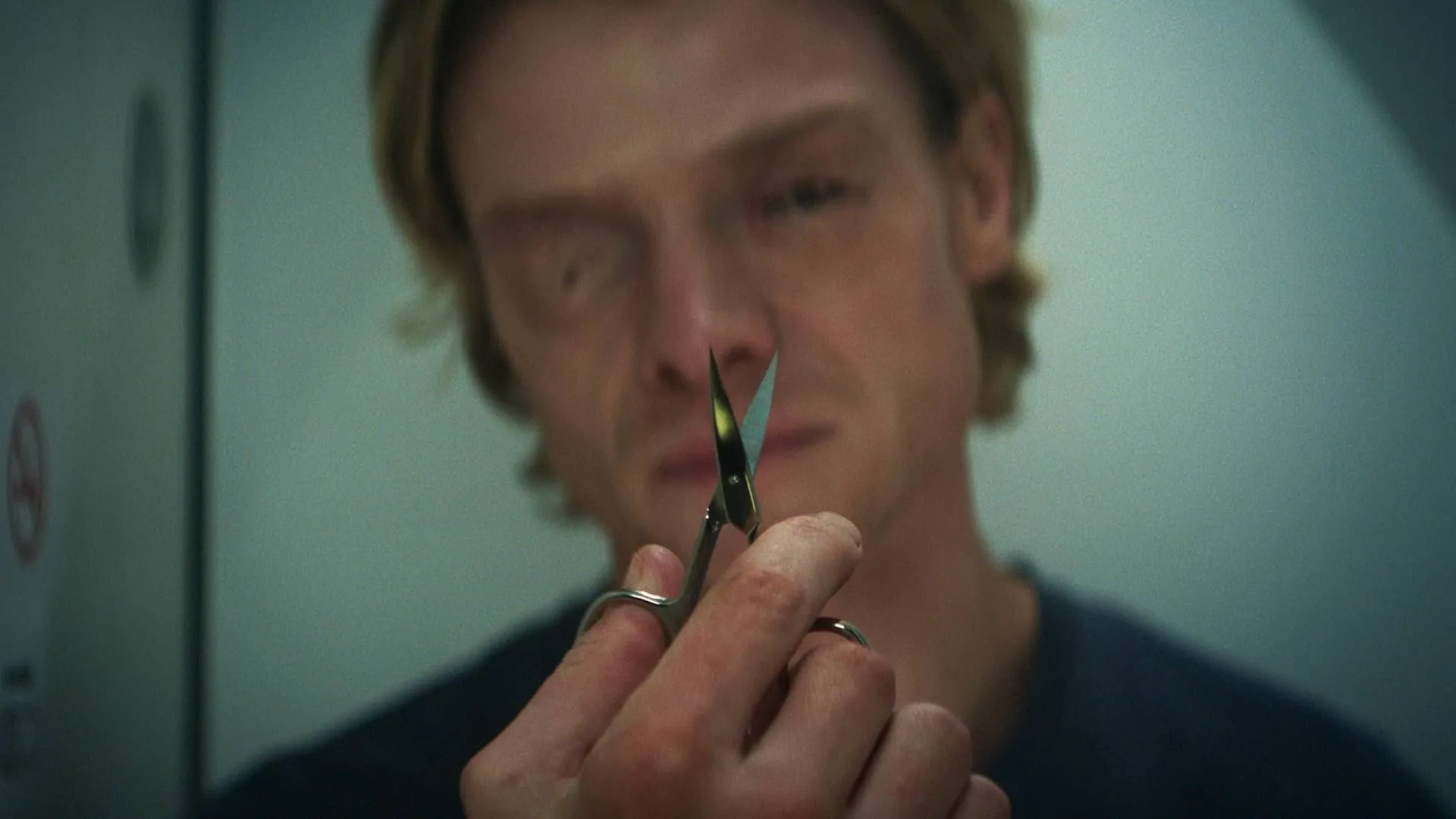
Clayface star cuts prosthetics on eyes in gruesome plane scene
The Upside-Down Ride: Inside the Body Horror of Clayface
The latest offering from DC Studios, Clayface, is not just a movie—it’s a visceral, body-horror origin story for Matt Hagen. This is a ride where the thrills are tightly coupled with the sheer physical discomfort of transformation, delivering an R-rated experience that promises to throw the audience into a truly chaotic, out-of-control experience.
Matt Hagen starts as a promising Hollywood actor, but fate intervenes brutally when he is disfigured by a mobster. Seeking a radical solution, he undergoes experimental treatment from Dr. Caitlyn Corr, unlocking the terrifying gift of shapeshifting. However, this power comes with a devastating caveat: when his emotions spiral, so does his body, leading to complete loss of control. The resulting narrative is a gruesome exploration of identity, pain, and the terrifying boundaries of the human form.
Director James Watkins clearly aimed for a ride, not a gentle stroll. When asked about the film’s direction, Watkins emphasized that the goal was to create a cinematic experience with real volatility. “You want to buy a ticket for the really out there ride, the one with real ups and downs, the one that goes upside down and throws you around in circles,” he explains.
To achieve this intense body horror, Watkins drew deep inspiration from cinematic legends of the genre. He looked back to films that masterfully blended grotesque visuals with profound human stories, citing classics like David Cronenberg’s work, Videodrome, The Fly, and The Thing. Watkins found that these films provided the necessary foundation—a balance of visceral horror grounded by a palpable sense of humanity.
The film’s disturbing visuals were brought to life through meticulous practical effects. Actor Tom Rhys Harries, who played Matt Hagen, wore elaborate facial prosthetics. Harries noted that this physical commitment fundamentally altered his performance. He recounts the trust built with the crew, particularly director James Watkins and cinematographer Rob Hardy, which allowed for a truly dark and dingy Gotham aesthetic.
One particularly intense sequence showcases the film’s commitment to the gruesome. In a scene set aboard a turbulent airplane, Matt attempts a desperate act of self-mutilation, using scissors to cut open his own eyelids. This sequence, while technically complex, served to heighten the sense of chaos and panic. Behind the scenes, the set involved a complex ‘video village’ setup, where multiple departments worked in synchronized chaos, monitored by crews checking every detail on screen.
The physical effects required elaborate staging, including motion-based sets for the plane cabin and a separately gimbaled bathroom set. Harries detailed the logistics, noting that the crew managed to incorporate real turbulence and complex props, resulting in a truly immersive experience for the audience.
Ultimately, the true impact of such a film lies in the communal experience. As actor Naomi Ackie shared, she was buzzing to see the finished product, and audiences alike find the shared, visceral reaction—the screaming and giggling—to be the most fun part of witnessing true body horror. The film invites viewers to lean into the chaos, proving that the best way to appreciate a ride that goes upside down is by sharing it with a crowd.
Buy on Amazon
Credit