CoD MW4 Matchmaking: The Chief’s controversial take
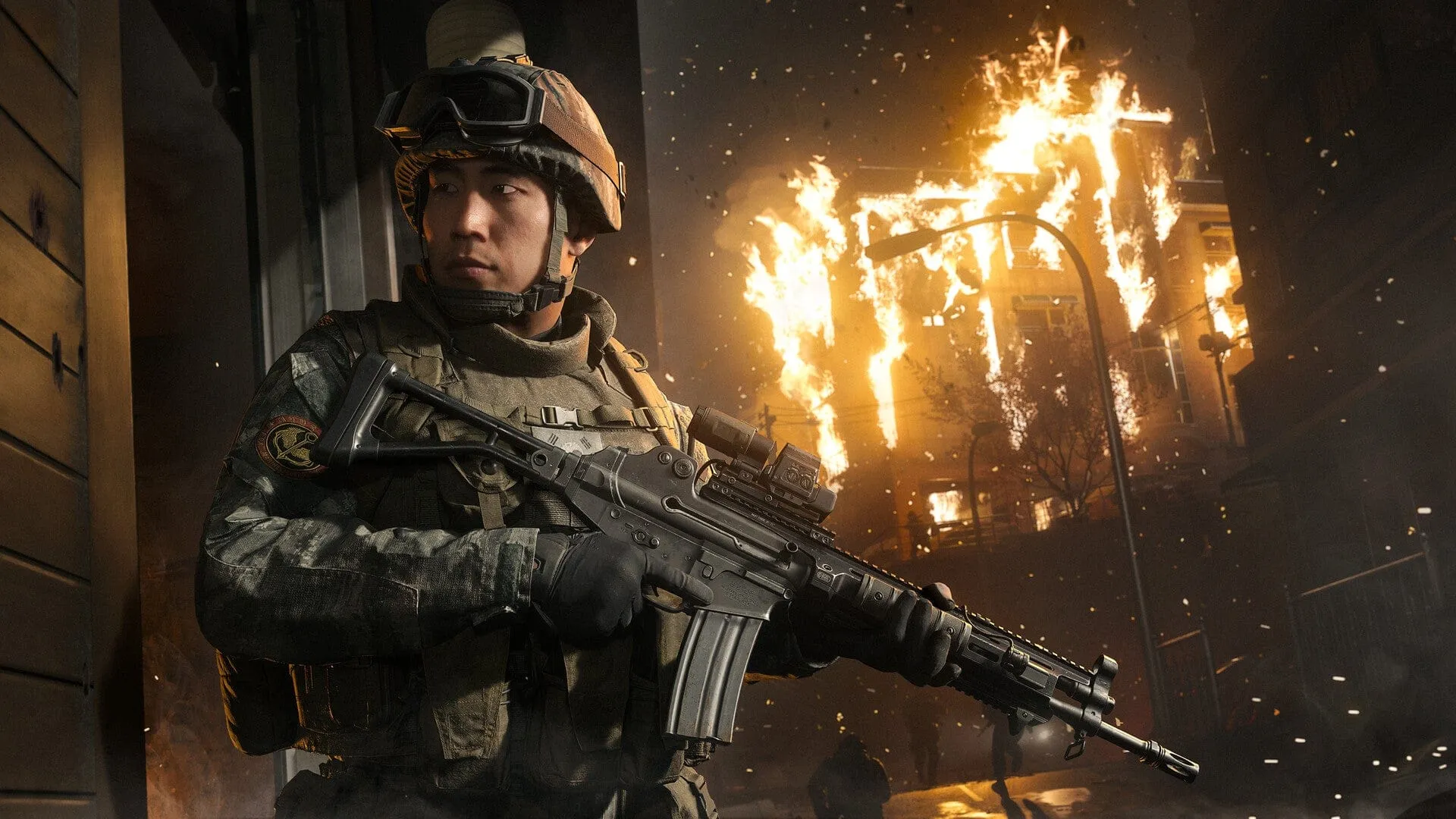
The eternal battle of the Call of Duty community is one fought not with weapons, but with algorithms. For years, players have wrestled with the fundamental question of matchmaking: should games prioritize balanced, evenly skilled matches, or should the system allow for total randomness to keep the experience fresh?
Skill-Based Matchmaking (SBMM) is the reigning champion, dating back to the original Modern Warfare title. Logically, pitting equally skilled players against one another should yield the most exciting, closely contested action. Yet, the reality is often more complex. The problem arises when the algorithm, in its pursuit of balance, creates a frustrating experience—a scenario where a player overachieves in one match, only to face a drastically different skill level in the next, resulting in frustrating ‘whiplash’ between games.
While the theoretical appeal of SBMM is clear, the practical execution is often maddening. It’s the digital equivalent of chasing a perfect rhythm that constantly breaks down, leaving players feeling cheated by the system designed to enhance their enjoyment.
In an attempt to resolve this conflict, some titles experimented with hybrid systems. Black Ops 7, for example, introduced an option for open matchmaking alongside the default skill-based system, offering players the choice between tailored matches and open queues.
However, the recent launch of Modern Warfare 4 brought the debate back to the forefront. It launched without that optional open queue feature, immediately reigniting the community’s discussion about the game’s core structure and player experience.
When asked about this dynamic, Infinity Ward’s Multiplayer creative director, Joe Cecot, focused less on the technical specifics of the code and more on the ultimate goal: match quality. “We don’t know if there is a perfect solution for matchmaking,” Cecot explained. “For us, the most important thing is ensuring that the matches we put together are good matches.”
Cecot emphasized that the team uses data to analyze how matchmaking affects player experience, looking for ways to quantify negative impacts on certain groups of players. The mission, it seems, is to ensure that every match, regardless of how it’s formed, delivers a positive experience.
Despite this focus on quality, there remains a lingering confusion among players about the functionality of open matchmaking in the latest titles. While options are sometimes present in the lobby, the absence of clearly labeled, functional open queue options in Modern Warfare 4 has left many wondering about the system’s true capabilities.
Ultimately, the Call of Duty matchmaking debate is a microcosm of the modern gaming experience: a constant negotiation between algorithmic logic and genuine player satisfaction. The system may be technically sound, but perfecting the art of the perfect match remains the ongoing challenge.
Buy on Amazon
Credit