
Control Resonant Made Me Feel Foolish IGN First
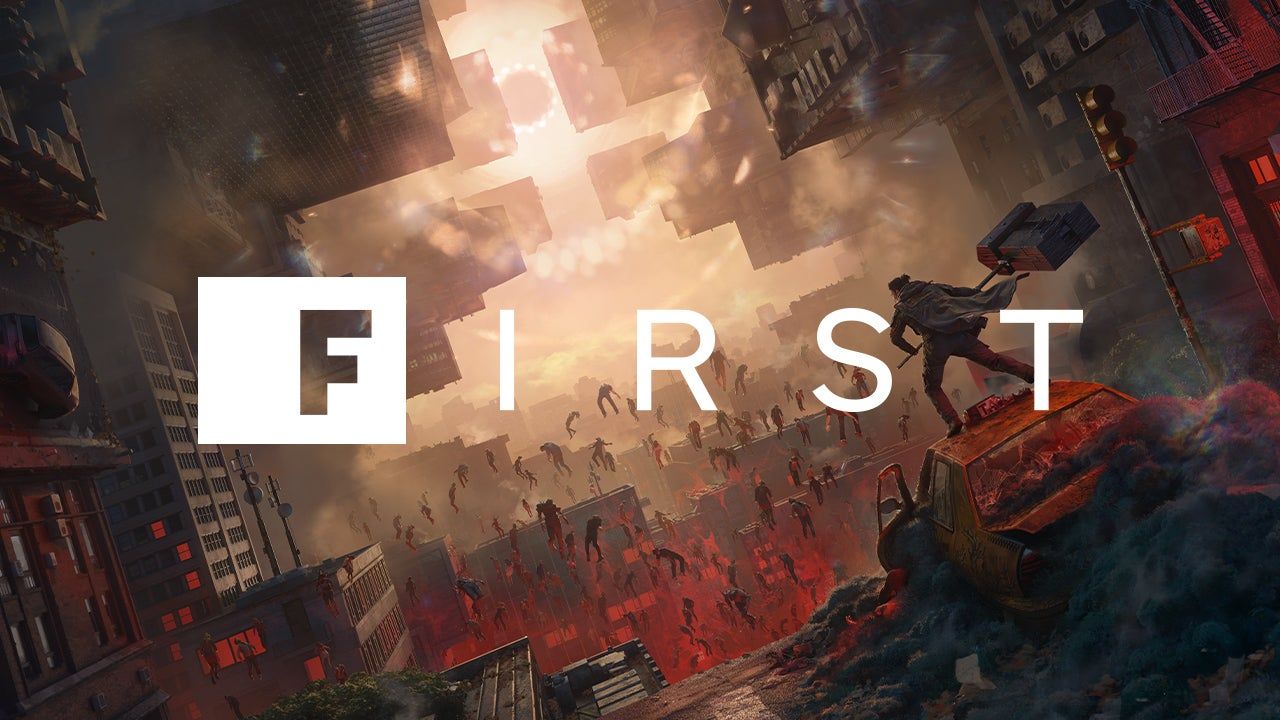
I started my journey into Control Resonant by diving into the action, eager to see if this new installment could live up to the legacy of Remedy’s world-building and surprise level design. Much like my colleague, I explored the new melee systems and the chaos that erupted in the open Manhattan. Initially, I wondered if this open-world playground was merely a space for grinding XP and honing combat skills, wondering if the studio could successfully tread new ground without sacrificing the unique click that defined their previous masterpieces.
Fortunately, the two-hour demo quickly dispelled any doubts. What I found was a stunning continuation of the Remedy style, filled with unsettling creativity and breathtaking environments. The world itself is a masterclass in design, taking familiar Art Deco architecture and twisting it into something entirely new, infused with a distinct Finnish sensibility. There are subtle nods to other science fiction concepts, but the developer firmly establishes their own singular, unforgettable stamp across the landscape.
The true brilliance of the game lies in how it weaves narrative and gameplay into the very fabric of the environment. Navigating the city’s infrastructure, for instance, involves more than just walking; it demands spatial reasoning. Exploring the subway system, for example, transforms into a dynamic puzzle platforming challenge. Here, gravity manipulation and the ability to shift the structure of the tunnels turn traversal into a frantic dance between physics and the void. This approach rewards curiosity, forcing players to question every leap of faith as they navigate perilous passages.
This layered approach extends deep into the narrative. The subway missions don’t just test movement; they offer tantalizing glimpses into the protagonist’s relationships and intertwining stories, effectively deepening the lore layer by layer. Every corridor, every hidden spot, acts as a piece of the larger mystery, ensuring that exploration is just as rewarding as engagement with the action.
The combat system is equally flexible and satisfying. When facing enemies like the formidable Mold, the game avoids rigid combat menus. Instead, it encourages creative solutions. Whether melting armor with elemental abilities or employing the shape-shifting weapon, The Aberrant, to dismantle enemies from the inside out, the focus remains on dynamic interaction rather than menu-heavy build crafting. This results in encounters that deliver a genuine feel-good power trip.
Boss battles are a shining example of this design philosophy. The final encounter against the Central Resonant, a towering figure of volcanic rock, requires an entirely different kind of strategy. The solution isn’t brute force, but a dynamic understanding of movement—dashing, hovering, and precise positioning are key to surviving the shifting lava hazards. This sense of responsiveness confirms that Remedy has mastered pacing, ensuring that these climaxes are thrilling without dragging.
Beyond the immediate action, the world is populated by strange, anomalous elements. Encountering Altered Items, such as a Polaroid camera that vanishes with a flash, introduces a delightful element of surrealism. These kinds of strange sojourns and puzzles, woven into the cityscape, serve to soothe any fears about the action-heavy direction of the sequel. They remind players that the true magic of the Control Universe lies in its unique blend of reality and the bizarre.
From the shadows of the factory and its subterranean tunnels, the game pulls back the curtain on some truly epic lore, revealing histories of horrors and massive entities that echo the dark humor Remedy is known for. Finding these narrative secrets amidst the desperate action transforms the setting from a mere backdrop into a living, breathing world.
Ultimately, Control Resonant proves that spectacular action does not need to sacrifice depth. It successfully blends edge-of-your-seat combat with slick platforming, clever puzzles, and unparalleled world-building. It is an impressive expansion of the original’s core ideas, ensuring that the studio’s distinctive memory remains central to this exciting new chapter.
Buy on Amazon
Credit