Couple remakes their Zelda NES gem 38 years later for Steam
Some games are born from sheer ambition, and others become enduring legends. The Battle of Olympus is one of the latter—a pixelated action-RPG that spent decades simmering in the shadows of 16-bit history before finally exploding into cult classic status.
Released on the Famicom in 1988 and later on the NES, the game offered a unique blend of non-linear action and intricate world design. While it didn’t dominate the charts at the time, its core mechanics and compelling atmosphere hinted at something truly special, a labor of love driven by the developers.
At the heart of this creation were Yukio and Reiko Horimoto. Their vision for the game was deeply personal. As the story takes inspiration from the Greek myth of Orpheus and Eurydice, it mirrored the profound connection between the couple themselves. Their romance didn’t just inform the narrative; it shaped the very concept of the game, creating a shared vision that pushed them to achieve something ambitious.
The development process was a tight-knit affair, involving just three core members: Yukio handled the programming, Reiko masterfully designed the art and story, and Kazuo Sawa brought the essential soundtrack to life. Their goal was clear: to produce a game of comparable quality to the industry giants of the era, striving to outdo the established titans of gaming.
Despite their commitment, the journey was challenging. The team poured their hearts into the project, pushing the limits of what 16 colors could achieve, all on a limited cartridge. While they achieved a degree of success, the game’s sales weren’t enough to sustain their original studio, Infinity, which ultimately shifted focus toward contract and support work over the subsequent four decades.
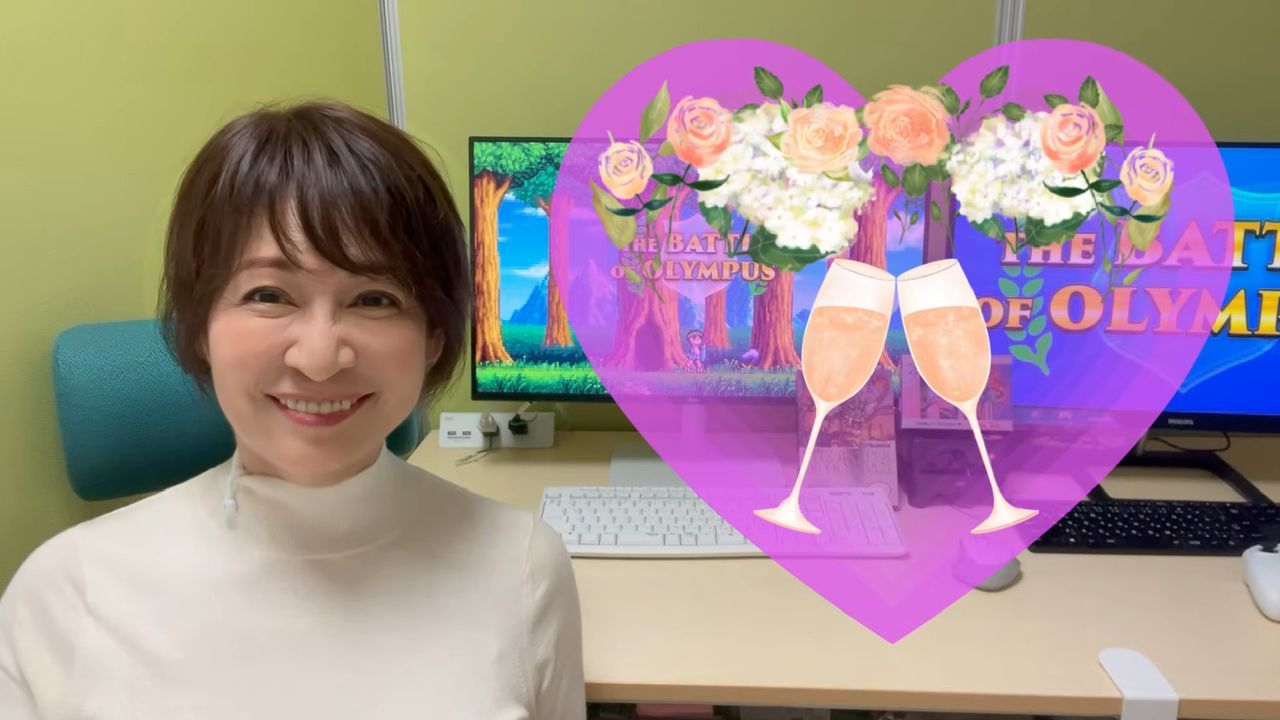
For many years, the story of The Battle of Olympus remained largely confined to the archives of the developers. But time, and the power of the internet, have brought a remarkable reunion. Decades later, Reiko and Yukio are collaborating once more, embarking on a faithful remake that they call “the culmination of our lives in game development.”
This modern project is fueled by an unexpected source of inspiration. Reiko discovered that decades after the original release, players had posted gameplay videos and left incredibly touching comments. These shared reactions, spanning years, moved her to tears and provided the emotional impetus needed to revisit their work.
Now, they are using that collective enthusiasm to refine the game for modern PC players, meticulously recreating the code, redrawing the pixel art, and preserving the original spirit, atmosphere, and challenge. It is a testament to the enduring power of a game that manages not just to entertain, but to foster a lasting, beautiful connection.
Buy on Amazon
Credit