Crash Team Racing for PC: AI spoiled the visuals
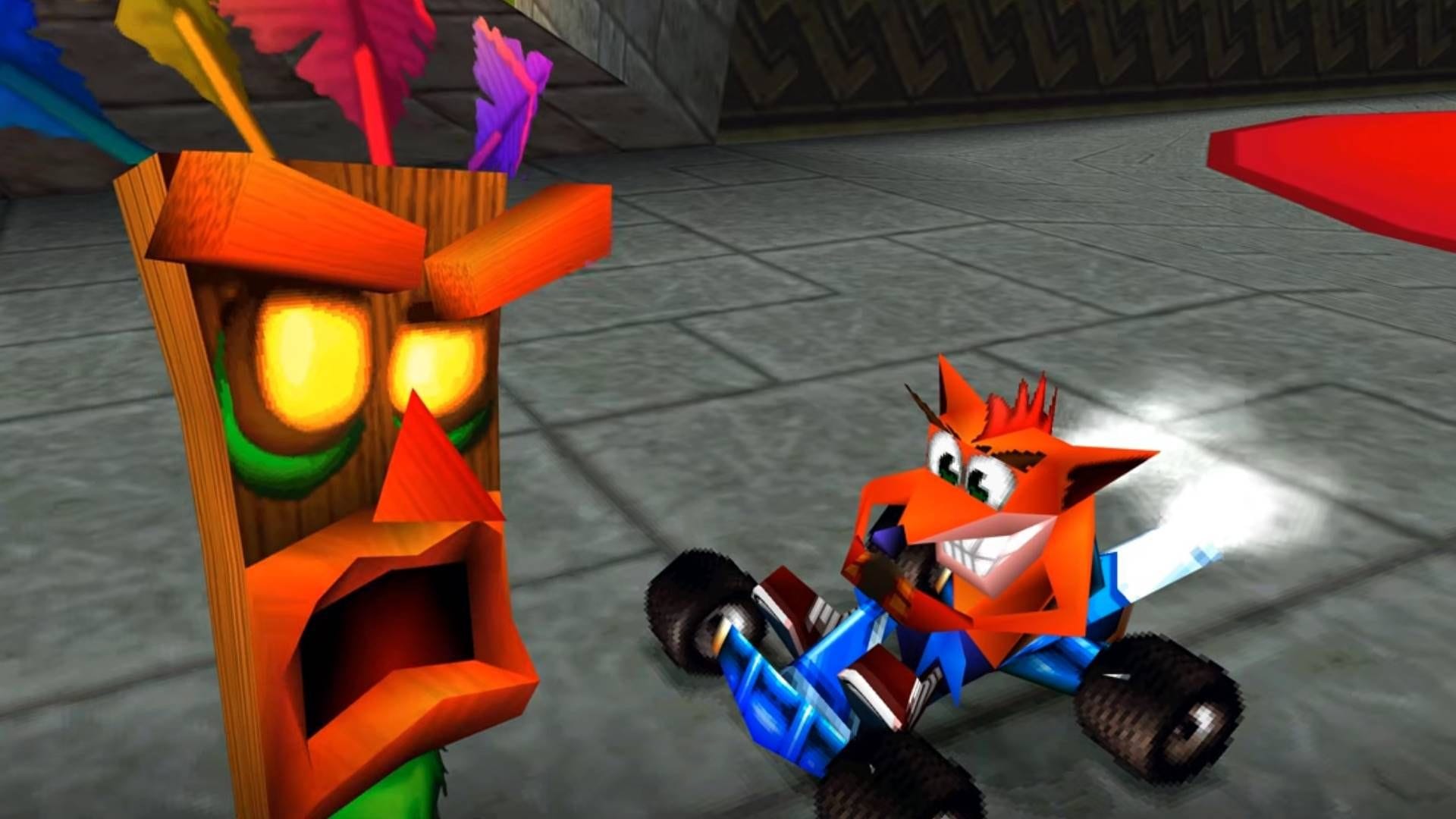
When you think of classic console racers, the nostalgia hits hard. One title stands out: Crash Team Racing. Now, the dream of bringing this chaotic spin-off to the PC is finally here, and it promises to be a visual spectacle. But as the dust settles on the launch of retro console ports, a fascinating and slightly bewildering question emerges: who exactly was behind the curtain?
Dubbed Crash Team Racing: Turbocharged, this new iteration isn’t a complete reinvention; it’s built on the foundation of the existing CTR native project. This native code, painstakingly decompiled by human coders since 2021-2022, provided the blueprint for the exciting new port.
The difference is in the execution. While the native project provided the structure, the new source-port leverages AI to unlock visual possibilities that sound like pure fantasy. The result allows players to experience Crash Team Racing at stunning 4K resolution, complete with widescreen support, enhanced textures, and frame rates soaring up to 240fps.
This blend of high-spec graphics and accessibility makes the release undeniably tempting—especially since the game is free to play. Yet, the method of creation sparked a broader discussion about the line between human craftsmanship and machine ingenuity. The port itself was developed using Large Language Models (LLMs), prompting some to wonder if the entire endeavor was merely vibe-coded.
The developer, Camzie99, addressed this by explaining a nuanced approach. Instead of vague, single-prompt requests, the LLMs were used in a fine-grained, iterative process. The developer planned features, identified necessary code changes, and then fed the LLM small, manageable chunks of code—function by function or file by file—making the development process transparent and reviewable.
This careful methodology highlights that while AI can generate code, the critical decision-making, planning, and architectural thought still originate from human developers. They didn’t just ask the machine to build a game; they guided the AI through the complex specifics of porting a classic title.
Despite the impressive technical leaps, the use of AI in game development naturally raises questions about ownership and authenticity. While the resulting experience is undeniably fun and high-fidelity, it serves as a powerful reminder that the future of gaming is being shaped by powerful new tools. For those who prefer the authentic feel of retro gaming, there remains a strong argument for embracing the original experience on classic hardware or modern emulation, while still enjoying modern ports when the mood strikes.
Buy on Amazon
Credit
