Cursed Mario looks like Mario after one week
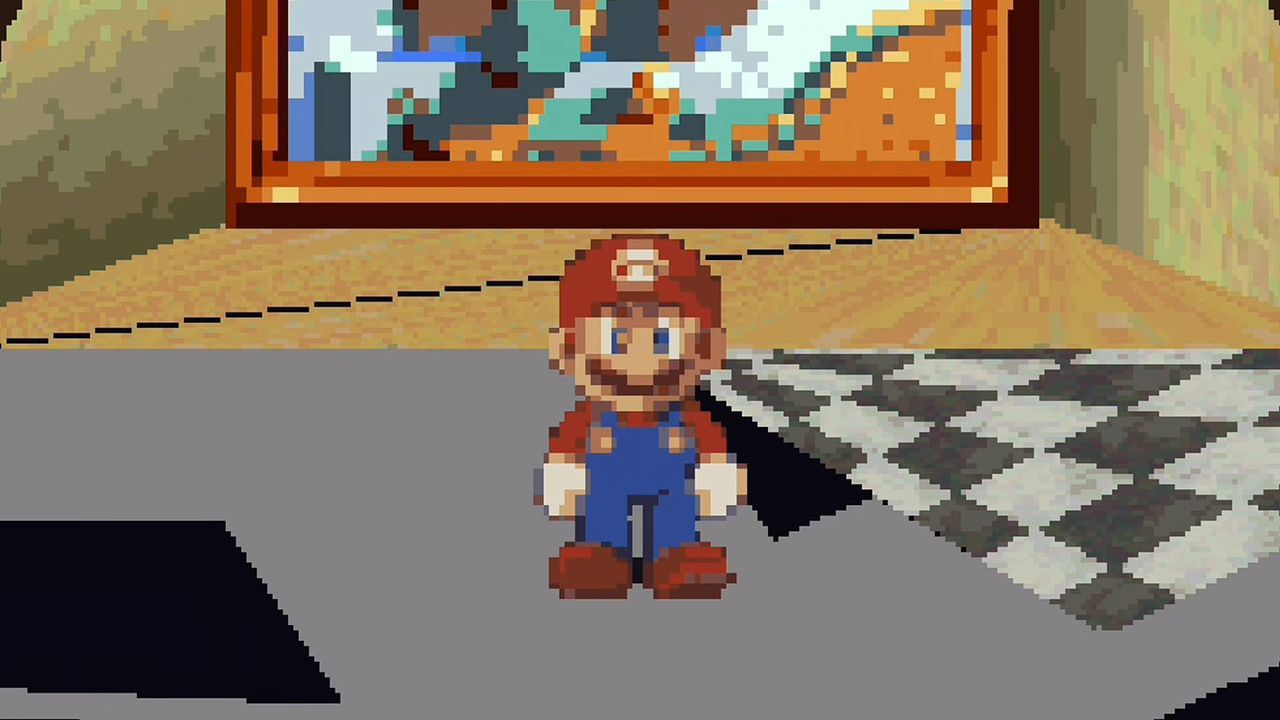
The quest to resurrect a legendary video game is often fraught with technical peril and emotional turmoil. Yet, in the realm of retro gaming, some projects manage to transform that peril into pure, unadulterated obsession. This is the story of an ambitious attempt to bring Super Mario 64 to life on a console far removed from its original home: the 3DO.
Last week, developers from Eyepatch Entertainment unveiled their initial vision for this ambitious project. The goal was clear: transplant the iconic world of Mario onto the architecture of the 3DO. While the first demonstration featured recognizable elements like Peach’s Castle and Bob-omb Battlefield, the endeavor immediately raised questions about technical feasibility and visual fidelity.
The journey from concept to reality is rarely smooth, and for this project, the challenge was immediate. Developers faced a difficult dilemma: how to balance performance—achieving a stable frame rate—with visual quality—making the 3D assets look truly immersive. As one developer admitted, balancing these two factors often costs precious time, creating a constant tension between optimizing speed and perfecting the renderer.
Despite the ongoing technical wrestling match, the progress has been undeniable. In just a short span of time, the project has evolved into something far more compelling than a simple concept. The developer has shared updates demonstrating significant strides, pushing the boundaries of what is possible when translating classic 3D mechanics to new hardware.
This dedication to refinement extends beyond the initial platform. Eyepatch Entertainment is actively pursuing other avenues, including developing a version for the Sega Saturn that aims for smoother 60fps performance. This indicates a broader commitment to realizing the classic experience across various retro systems.
There remains a subtle layer of drama surrounding these efforts: the potential reaction from Nintendo. While the project does not replicate the official Mario 64, the sheer scope of bringing the game to life on an alternative console inevitably draws attention. The developers are cautious, acknowledging that distribution carries unspoken risks regarding Nintendo’s stance.
However, the passion driving this work is infectious. For those who cherish retro gaming and the magic of classic titles, these ambitious projects represent a remarkable push against the limitations of time. It demonstrates that even when faced with technical hurdles and the shadow of massive corporate legacies, the desire to recreate and celebrate iconic gameplay can yield incredible results.
Ultimately, this venture is less about chasing flawless emulation and more about proving what is possible with nostalgia and ingenuity. It turns a potentially cursed endeavor into a fascinating study on retro-gaming persistence, reminding us that sometimes, the most rewarding experiences are those we build for ourselves.
Buy on Amazon
Credit