Cyberpunk 2077 in 2026 still iconic and alive
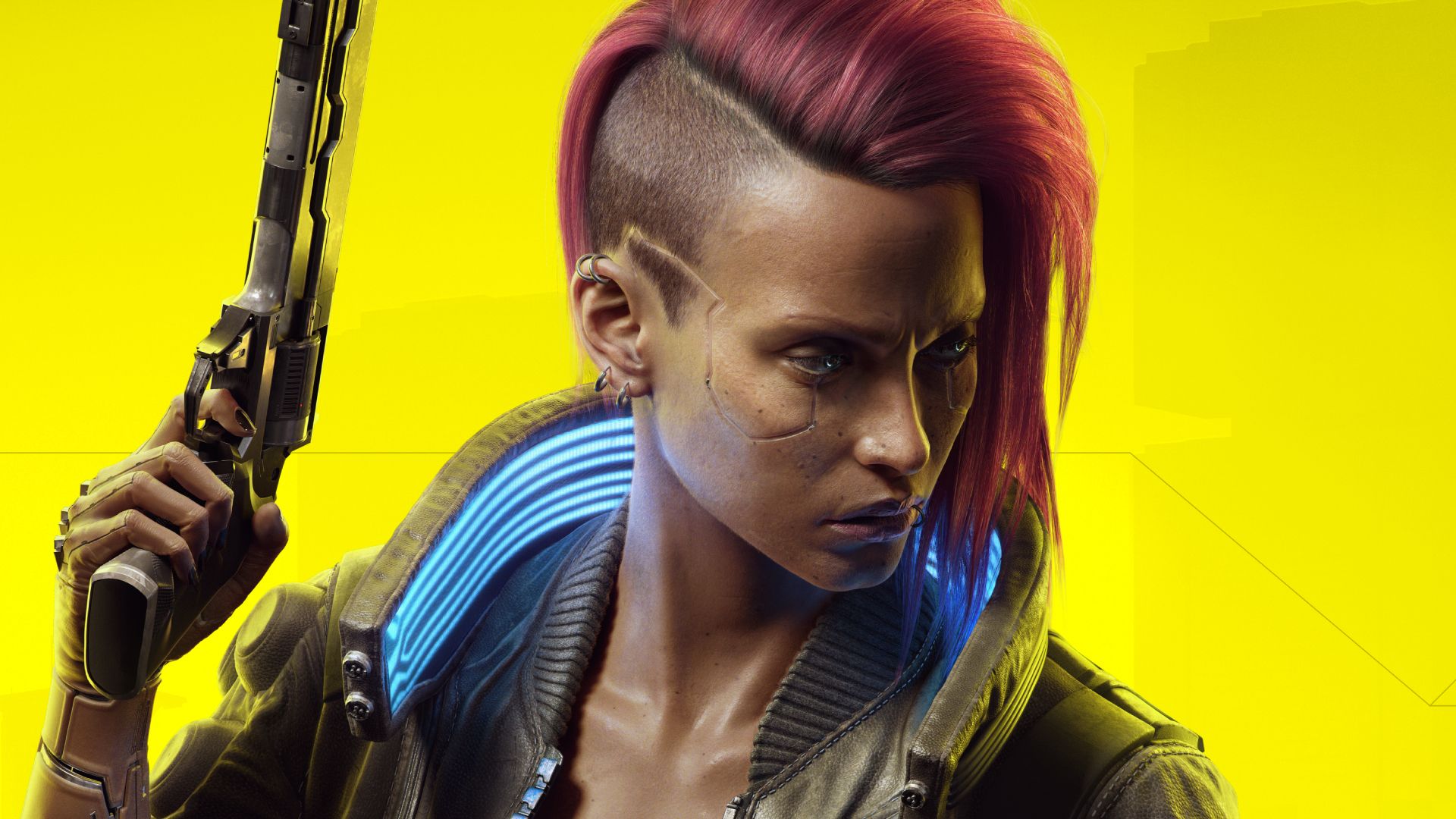
The Neon Nightmare: How Cyberpunk 2077 Launched into a Glorious Mess
In the sprawling, neon-drenched world of digital entertainment, few titles manage to capture the collective imagination quite like Cyberpunk 2077. It arrived not just as a game, but as a cultural phenomenon—a towering monument to ambition that promised the future and delivered chaos.
Yet, the journey from anticipation to reality was anything but smooth sailing. The launch of this behemoth was less a polished debut and more an exhilarating plunge into uncharted waters, immediately complicated by a barrage of technical glitches and unfinished promises.
The initial experience for many players was less about immersion and more about troubleshooting. Bugs didn’t just appear; they staged a full-scale rebellion, popping up left, right, and center, turning the grand vision into a frustrating, yet undeniably lively, adventure.
The anticipation built toward features that were supposed to redefine the open world—major additions and beloved elements that fans had desperately clamored for. Among these highly anticipated additions was the legendary Metro system, expected to be a centerpiece of the experience, only to be conspicuously absent at launch, leaving players with an undeniable sense of FOMO.
By the time the year 2026 arrived, the reality of the launch was etched in digital misery. The spectacle wasn’t just played out on screen; it played out across platforms, evidenced by the blinking red numbers on SteamDB, a stark reminder that hype often precedes polish.
It was a spectacular collision of high expectations and technical hurdles—a genuine disaster unfolding in real time. But perhaps this very mess is what cemented Cyberpunk 2077’s place in history. It remains a monumental success story, defined by its epic scope and the unforgettable experience it forced players to navigate.
Buy on Amazon
Credit