Daeron Targaryen reveals Ormund and Gwayne are his parental figures in HotD3
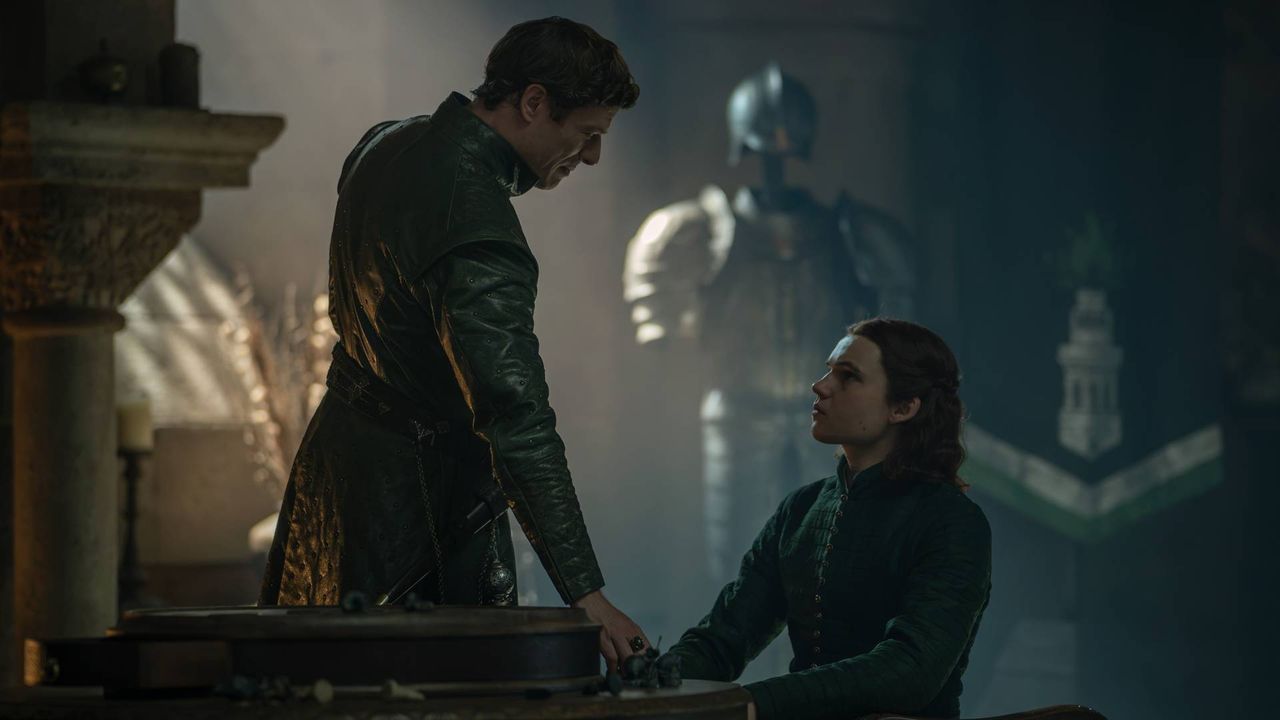
In the unfolding drama of House of the Dragon, the fate of young prince Daeron Targaryen is deeply intertwined with the complex power dynamics of his guardians, particularly Ormund Hightower and Gwayne Hightower.
While Daeron has spent much of his time under the demanding influence of Ormund, the narrative introduces a crucial shift. When Daeron’s uncle, Gwayne Hightower, arrives in Tumbleton, it immediately becomes clear that Gwayne offers a stark contrast to Ormund’s authoritarian rule, providing a far more positive and brotherly influence on the young prince.
The tension between these two figures is central to Daeron’s internal experience. As actor Benjamin Evan Ainsworth discussed, scenes featuring Ormund often highlight the isolation and confinement Daeron feels. The imagery of Tessarion chained up in the Sept perfectly symbolizes Daeron’s own sense of being trapped under Ormund’s shadow.
Ainsworth noted that the difference between the two guardians is palpable. Gwayne represents a comforting presence, offering Daeron a space to confide in and be fully himself. In contrast, Ormund embodies a domineering rage that forces Daeron into calculated silence, knowing that any move could trigger explosive fury. This disparity allows viewers to witness different facets of Daeron’s character emerge.
This psychological exploration was particularly striking during moments of intense manipulation. One of the most harrowing instances revealed the fractured nature of their bond when Ormund forced Daeron into a horrific act, demonstrating how deeply twisted their relationship had become in seeking validation and power.
Despite the darkness of these events, the performance explored this complexity with remarkable depth. The actors successfully navigated the difficult terrain of portraying relationships defined by both control and a desperate, distorted need for affection.
Ultimately, Daeron’s journey is one of grappling with identity—the weight of being styled as king forces him to question who he truly is and who he desires to become. It is through these high-stakes familial dynamics that the series explores themes of responsibility, control, and the painful pursuit of genuine connection.
Buy on Amazon
Credit