Dan Houser reveals Rockstar’s struggle to make Bully
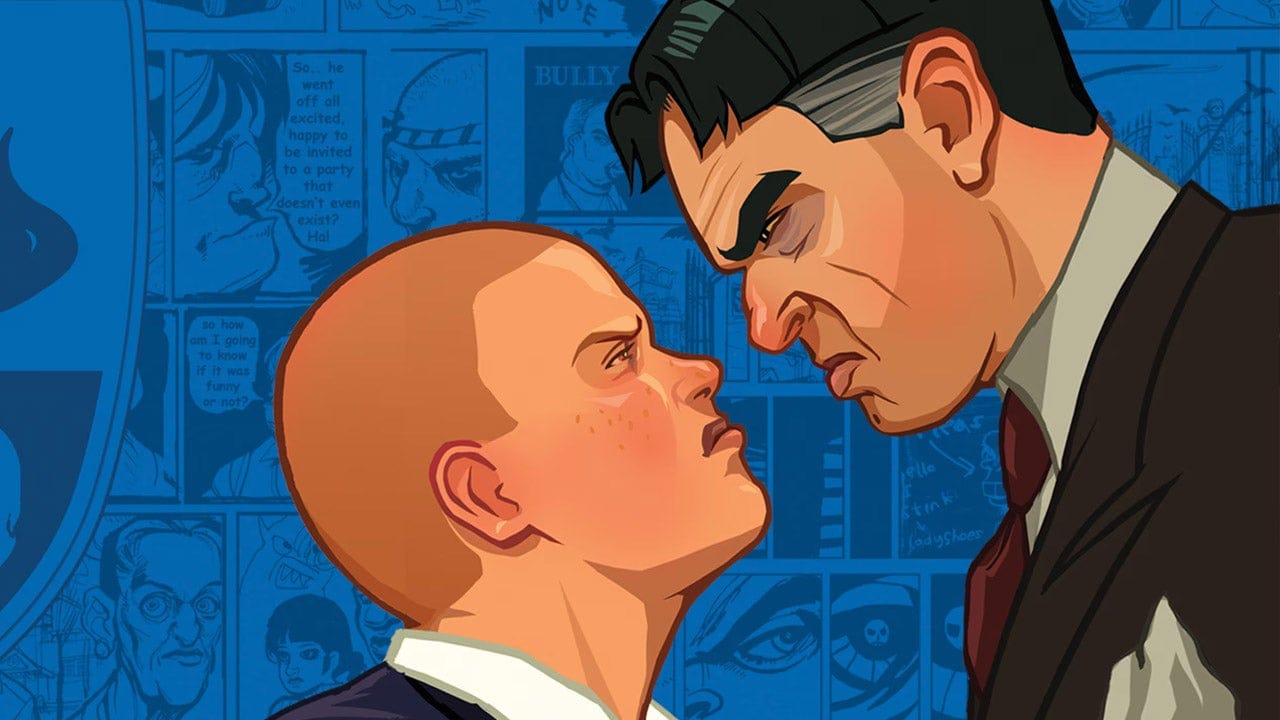
While the world is currently buzzing about the impending arrival of Grand Theft Auto 6, it is worth taking a moment to look back at the creative crucible where some of Rockstar’s most unique and challenging ideas were forged. Beyond the massive open-world spectacles, the studio has a fascinating history rooted in a smaller, yet equally memorable, adventure: Bully.
Released in 2006, Bully was an open-world experience that managed to blend the familiar sandbox mechanics of the GTA series with the unique setting of a high school, telling the story of an unruly student named Jimmy Hopkins navigating the chaos of Bullworth Academy. It was a smaller-scale project, but it quickly gained critical acclaim, proving that Rockstar was capable of exploring new, distinct worlds.
However, the path to launching Bully was anything but smooth. As former Rockstar VP and writer, Dan Houser, has reflected on the intense developmental struggles. “The development was hard,” Houser admitted, noting that the concept itself was challenging and “out-there.” He described the team struggling with the vision, but ultimately, the finished product proved to be a strong game, a testament to the team’s skill.
The difficulties were compounded by external pressures. The mid-2000s were a volatile time for Rockstar, characterized by widespread controversy surrounding the studio’s content—from the graphic violence in Manhunt to the accidental discovery of sex-minigames in San Andreas code. Bully faced similar scrutiny. Public concern focused on how explicit content would translate into a school environment, leading to a period of intense hysteria that made promoting the game nearly impossible.
“We had to spend most of 2006 diffusing it,” Houser recalled, describing the stress of managing public perception. This external pressure added another layer of complexity to developing an experience that fit both the narrative and the mechanical demands of a GTA-style game set in a school.
Beyond the public outcry, the internal challenge lay in adapting the familiar open-world action-adventure style to the unique perspective of a teenager. How do you merge driving cars and shooting guns into a school setting? Developers wrestled with these core mechanics, seeking a compelling reason for the chaos. They explored numerous changes and adjustments, moving the development forward slowly.
The turning point, Houser suggests, came through creative experimentation. A key innovation involved adding unique interactive elements. One memorable example was a feature where players could place a Post-it note on a character reading “Kick me,” causing an NPC to physically run up and kick them. This simple, unexpected interaction sparked a moment of genuine fun, demonstrating that the gameplay could be engaging.
This innovation shifted the focus from simply replicating a GTA sandbox to creating a specific, fun experience. It was this moment—seeing the scale of a kid’s life colliding with the environment—that allowed the concept to truly click, transforming the initial difficulty into something genuinely enjoyable.
Despite its success and the clear demand from fans for a sequel, ideas for Bully 2 never materialized, reportedly due to “bandwidth issues.” While the wider world is now fixated on the next evolution of Grand Theft Auto, Bully remains a fun reminder of the difficult, often chaotic, yet ultimately rewarding journey of creating a truly unique world.
Buy on Amazon
Credit
