Dan Houser Surprised by the Anger at RDR’s Iconic Ending
The final act of a masterpiece is often the one that changes everything.
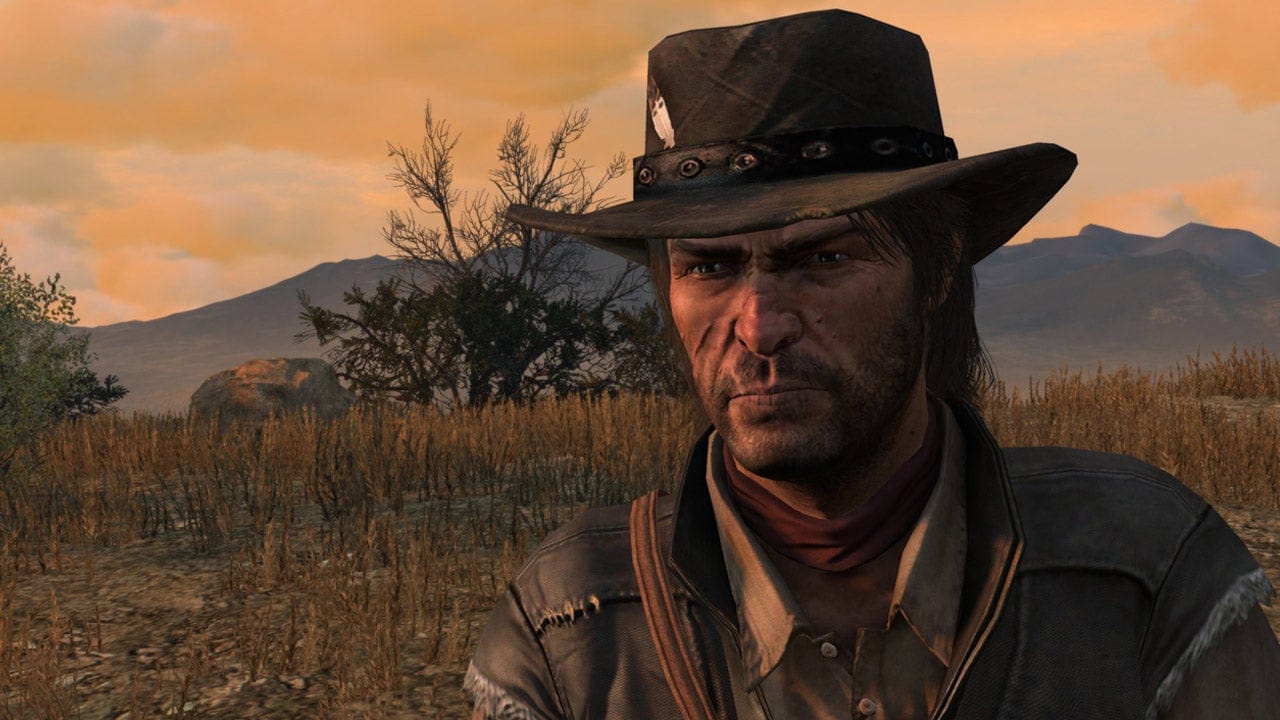
In the sprawling world of open-world gaming, where players are given vast freedom, the conclusion of Red Dead Redemption remains a narrative high-water mark. Instead of offering the comfortable peace that many adventure stories crave, the game delivers a stark, powerful ending: the outlaw John Marston is met with a violent end, shot down by the army at his family farm.
This seemingly harsh decision—ending the story not with a peaceful resolution but a tragic execution—was a radical choice for the era of open-world games. It sparked debate, but time has proven that this narrative masterstroke was exactly what the story needed to achieve its weight. The difficulty in making such a choice felt immense, even for the creators.
The creative team faced a complex dilemma. How do you manage an open-world experience when the protagonist is killed? As one of the key designers, Christian Cantamessa, wrestled with the production realities. The core challenge was figuring out how to sustain the world and the player’s engagement after the central figure was gone. It required thinking far beyond the immediate action to consider the structure of the entire world and its side content.
The solution involved a clever mechanism: a shift in perspective and time. To allow the story to function, the narrative hinged on the transition to Jack, John’s sixteen-year-old son. This shift, coupled with a three-year time jump to 1914, allowed the story to pivot and continue, granting the necessary narrative space for catharsis.
Ultimately, the decision was driven by a desire for powerful player reaction. The creators felt that the intense emotional response—the anger and the sense of ownership—felt earned. They argued that for a story to possess true weight, the protagonist had to face a definitive, life-altering consequence. This focus on making the player feel deeply involved in the narrative, rather than simply observing it, proved to be the most effective storytelling strategy.
This dynamic of narrative ownership was not a one-off trick. The philosophy extended into subsequent titles, most notably Red Dead Redemption 2, where the same principle of protagonist succession was utilized to bind the players to the world. As gaming continues to evolve, the focus remains on pushing the boundaries of storytelling, ensuring that the immersive world remains a living, breathing space for every player to shape and experience.
Buy on Amazon
Credit
