Danny Boyle admits using AI in his Netflix movie
The AI Behind the Art: How Danny Boyle Used Generative Technology in Ink
Danny Boyle’s latest cinematic offering, Ink, made quite a splash at the Venice and Telluride Film Festivals, but the buzz isn’t just about the story—it’s about the technology behind it. Credits reveal a surprising secret: the director utilized generative AI in the production of the film, sparking a necessary conversation about the future of visual effects.
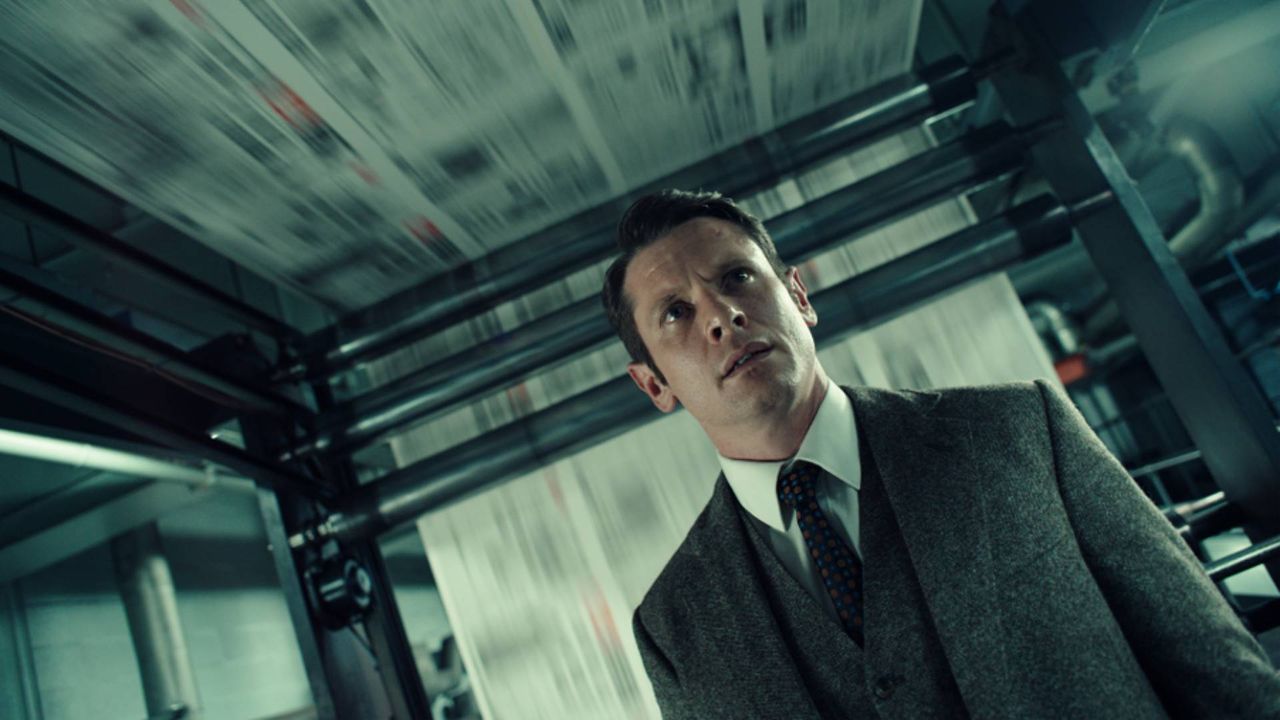
The biographical drama, which casts Jack O’Connell as Sun newspaper editor Larry Lamb and Guy Pearce as media magnate Rupert Murdoch, is a late-60s/early-70s period piece. While this era might suggest traditional filmmaking methods, Boyle’s approach incorporated modern tools. When pressed about the use of artificial intelligence, Boyle offered a perspective that balances innovation with caution. He views the technology as a genuinely useful tool, provided it is handled with respect and proper compensation.
“My opinion of it is it’s a very useful tool, in many ways, provided you use it respectfully, and provided you pay actors if you’re going to replace them with some kind of AI embodiments or something like that. So just like with any animation project or just as part of the VFX toolbox,” Boyle explained.
Despite this philosophy, the use of AI in Ink was limited to specific visual enhancements. Boyle confirmed that the technology was used in about thirty seconds of the production, focused on bringing specific elements to life. These included animating old photographs and creating the appearance of mice running through the Sun newsroom.
The animated photographs demonstrate AI’s ability to resurrect historical images, while the CG mice showcase its potential for creating animal effects. Boyle noted that this was particularly helpful, as he had previously faced ethical concerns regarding animal use in his work, leading him to explore more ethical alternatives in visual effects.
This focus on specific applications raises important industry questions. If generative AI replaced human visual effects artists for these tasks, the compensation structure remains unclear. The film’s release in December and January offers a compelling look at how cutting-edge technology is being woven into the fabric of classic storytelling, forcing us to consider where the line between technological assistance and artistic credit should be drawn in Hollywood.
Buy on Amazon
Credit