Darrah: EA might sell Mass Effect and Dragon Age IPs after studio closure
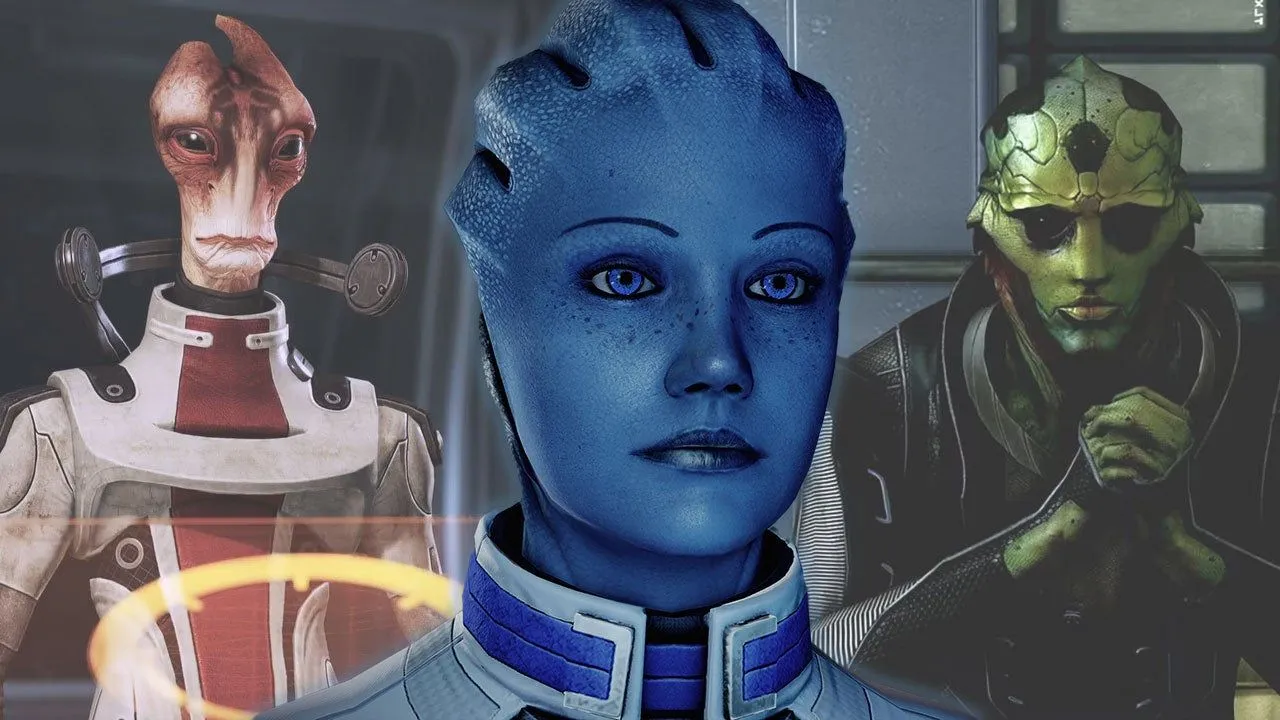
The world of video game development recently experienced a seismic shift with the news of BioWare’s closure, a development that sent ripples of grief and speculation through the gaming community. This move, announced by Electronic Arts (EA), brought to a dramatic close a studio responsible for some of the most iconic and beloved franchises in the genre, including Mass Effect and Dragon Age.
For fans, the news felt like a loss not just of a studio, but of a creative lineage. The decisions behind the shutdown, particularly the cancellation of major projects like the next installment of Mass Effect, immediately raised a burning question: what happens to these sprawling, legendary Intellectual Properties?
Mark Darrah, who served as an Executive Producer at BioWare for over two decades, weighed in on the situation, offering a perspective that is both honest and cautiously optimistic. Darrah emphasized a crucial point: EA owns all the IPs. They hold the keys to Dragon Age, Mass Effect, and Jade Empire. This ownership structure fundamentally shifts the focus from the studio’s fate to the potential future of these worlds.
With the studio closing and the Edmonton workspace winding down, the focus naturally shifted to the fate of these dormant properties. Darrah suggested that the lack of active development within the EA organization might make selling these IPs more likely. While this could lead to them being sold off to other developers—perhaps to a group like CD Projekt Red, known for their strong relationship with the BioWare ecosystem—it could also result in the IPs being shelved and buried in a corporate vault.
The reality of the situation is complex. Some observers speculate that the recent massive acquisition of EA by a private investment consortium, which reportedly banked on artificial intelligence to manage costs and debt, could influence future decisions. If the goal is cost control, the possibility of monetizing dormant assets becomes more attractive than maintaining them as expensive, dormant intellectual property.
Darrah indicated that the timeline for a major change remains uncertain. He noted that EA appears to be in a cost-control phase right now, and any shift toward a revenue-generation model, which might involve selling off IPs, depends on future financial strategy.
Ultimately, the uncertainty lingers. Fans and developers alike are left grappling with the potential futures of these epic sagas. Whether these legendary worlds will find a new home, or remain quietly in storage, is still waiting to be determined by the corporate decisions that lie ahead.
Buy on Amazon
Credit