Dawn of War 4 has more single-player content than any RTS
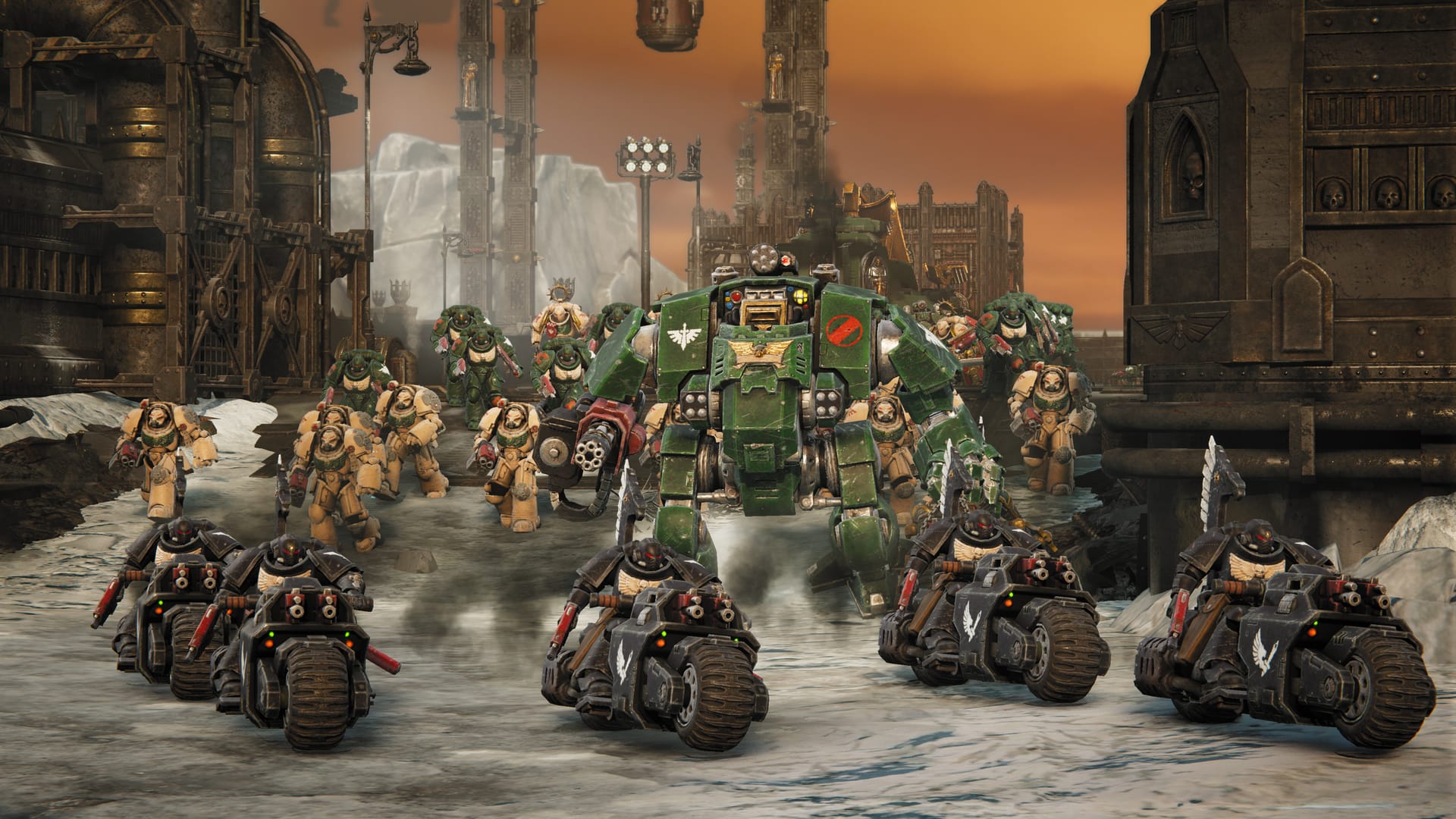
Dawn of War 4: The Epic Scope of Warhammer’s Deepest Single-Player Experience
When developer King Art Games unveiled the scope of Warhammer 40,000: Dawn of War 4, the reaction was immediate: the campaign wasn’t just big—it completely eclipsed the single-player offerings of every previous title in the series. The developers claim that the sheer scale of the single-player content, available at launch, might even surpass the total amount of single-player content found in any other real-time strategy game released that year.
This massive ambition is realized through four distinct, fully fleshed-out single-player campaigns, each centered on one of the game’s iconic factions: the Space Marines, the Orks, the Necrons, and the Adeptus Mechanicus. In total, players are presented with over 70 campaign missions right out of the gate. For context, this is a monumental leap when compared to previous installments. Dawn of War 1, for example, offered only 11 missions, while Dawn of War 3, though deep, featured 17. With a sprawling 70+ missions, the potential for replayability and narrative depth is staggering.
Creative director Jan Theysen emphasized that this is not simply about mission count; it’s about the narrative weight. He believes that each of the four campaigns is larger than the entire storyline from Dawn of War 1, promising significantly more gameplay hours packed into a single experience. The structure is designed to deliver branching storylines, ensuring that players are not just completing tasks, but engaging with a rich, evolving narrative.
The journey into these vast worlds begins smoothly, offering a guided introduction before plunging players into unique faction mechanics. The campaign kicks off with two tutorial missions that introduce players to the fundamentals of the game and the Astra Militarum, giving new players a solid footing. From there, the experience shifts dramatically as players enter the unique cultures of the Orks, where they discover new economic systems and build methods, and the Adeptus Mechanicus, where they learn the intricacies of powerful units like the Imperial Knight.
This design philosophy focuses on letting the story unfold organically, avoiding the trap of front-loading complex information. As Theysen noted, the campaigns become more interesting because the content constantly unfolds, allowing players to discover new elements as they progress. This ensures that the depth of the lore and gameplay is revealed piece by piece, rewarding attentive players with escalating narrative complexity.
While the initial launch delivers this immense single-player wealth, the content pipeline remains active. Following the initial release, King Art Games is rolling out significant expansions designed to keep the worlds thriving. Players can look forward to additions like Crusade Mode and Map Pack 1 arriving early next year, followed by further map packs and a mission editor. Furthermore, paid-for additions, including the Blood Ravens story prologue and the Aftermath campaign expansion, promise continued deep dives into the Warhammer 40,000 universe for dedicated fans.
Buy on Amazon
Credit
