Dawnwalker transforms its open world into meaningful action
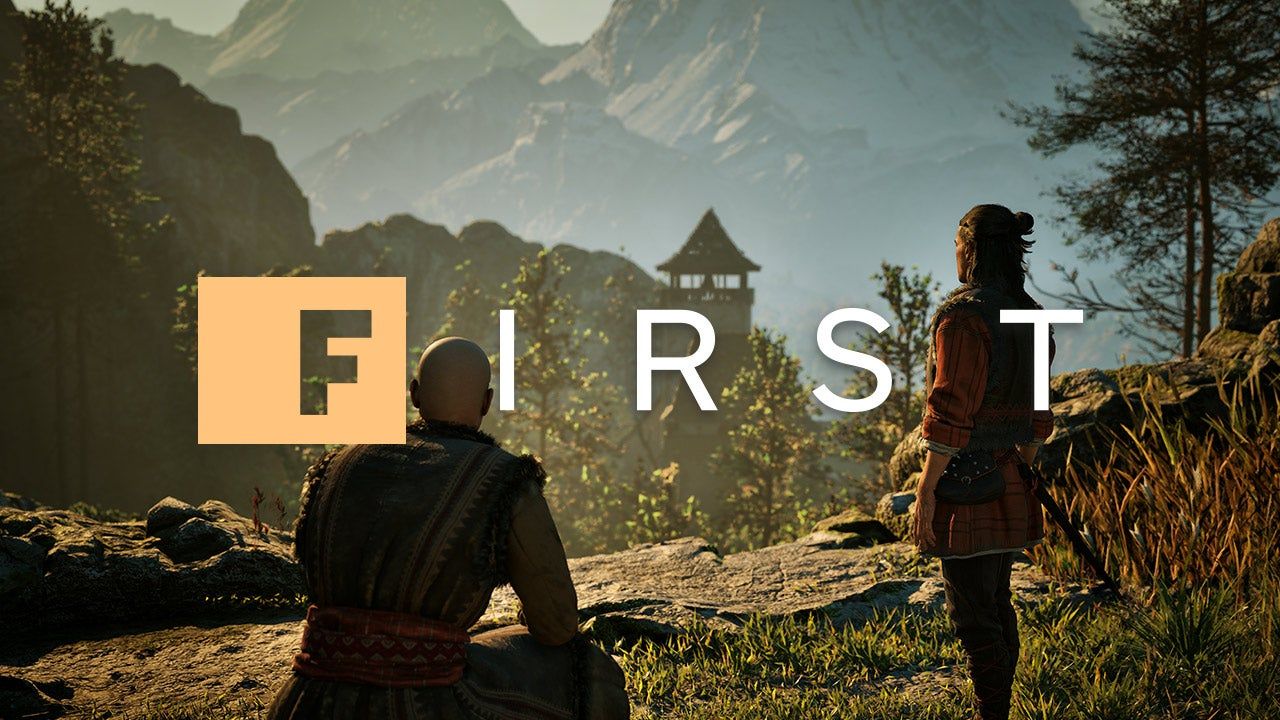
The Architecture of Meaning: How The Blood of Dawnwalker Forges a World Full of Substance
For an open world to truly resonate, it must possess meaning. This fundamental belief drives the development of The Blood of Dawnwalker, an ambitious RPG that seeks not just to offer endless activities, but to provide a narrative landscape rich with history and consequence.
At the core of this vision is the desire for immersive exploration. Designers recognized that players thrive when they are learning about the world—when they uncover the lore and the stories of its inhabitants—rather than simply ticking off repeatable quests. This approach pushes beyond simple activity checklists, aiming instead for an experience where every discovery feels earned and significant.
The team behind Dawnwalker believes that genuine enjoyment stems from connection. For the world to be truly engaging, every path must lead somewhere meaningful. This means forging powerful connections between the open world exploration and the central narrative of the vampire court that rules over the valley, ensuring that player actions contribute directly to the grand story.
This commitment required a unified vision across the entire creative team. Gameplay mechanics had to seamlessly blend with narrative storytelling, allowing the environment itself to tell a deeper story. Narrative director Jakub Szamalek drew inspiration from Eastern European history and folklore, focusing on themes of migration, conflict, and the deep historical texture that defines these regions.
The world of Vale Sangora is steeped in this heritage, reflecting the kind of dark, profound stories that arise from lands where immense upheaval has occurred. This thematic foundation was amplified through aesthetic choices, most notably the inclusion of grand Gothic architecture. By placing players within structures that evoke feelings of historical suffering and reverence, the game seeks to amplify the emotional impact of the environment.
The dual nature of the setting—the human experience versus the vampiric night—further deepens this thematic layering. The moonlight hours open up unique opportunities for exploration and interaction, offering different perspectives on how one navigates the world depending on whether they are a mortal or a creature of the night.
Furthermore, the design actively rejects the idea of rigid, predictable pathways. While the world is rich with interconnected locations, players are not railroaded down a single track. This freedom allows for diverse methods of progression, ensuring that gathering experience and acquiring items remains meaningful regardless of the player’s chosen route.
Artistry and history are paramount to this vision. The developers insisted on giving each sentient monster race a unique visual identity reflective of their culture and sensitivities. This commitment extends to the environment itself, utilizing ancient artworks, such as frescoes depicting tales from Vale Sangora’s past, not merely as decorative assets, but as crucial elements that hold hidden truths and guide the player toward special discoveries.
By insisting on unique historical context and moving beyond simple asset reuse, The Blood of Dawnwalker aims to create a space where every corner of Vale Sangora feels uniquely meaningful—a truly immersive reality waiting to be explored.
Buy on Amazon
Credit