Death Stranding 2 Sales Spooked Sony and Kojima
The Great Console Divorce: How a Sequel Scare Sent Sony to the Brink
The world of gaming is currently buzzing with the fallout from a major corporate decision: PlayStation has pulled back from the ambitious development of Hideo Kojima’s next-generation project, Physint, and, in a surprising move, is aligning the project with its rival, Xbox.
This shift isn’t just about a cancelled title; it’s a seismic event in the industry, signaling that the financial reality of blockbuster game development is increasingly dictating corporate strategy. As analysts dissect the move, the focus quickly turns to the sales performance of Kojima’s recent work, particularly the franchise that preceded Physint.
The tension wasn’t just between Sony and Kojima, but between Sony and the economic demands of the market. Sources suggest that the enthusiasm for Physint, which included a high-profile handshake between PlayStation Studios boss Herman Hulst and Kojima, was overshadowed by growing internal discomfort regarding other projects and recent sales figures.
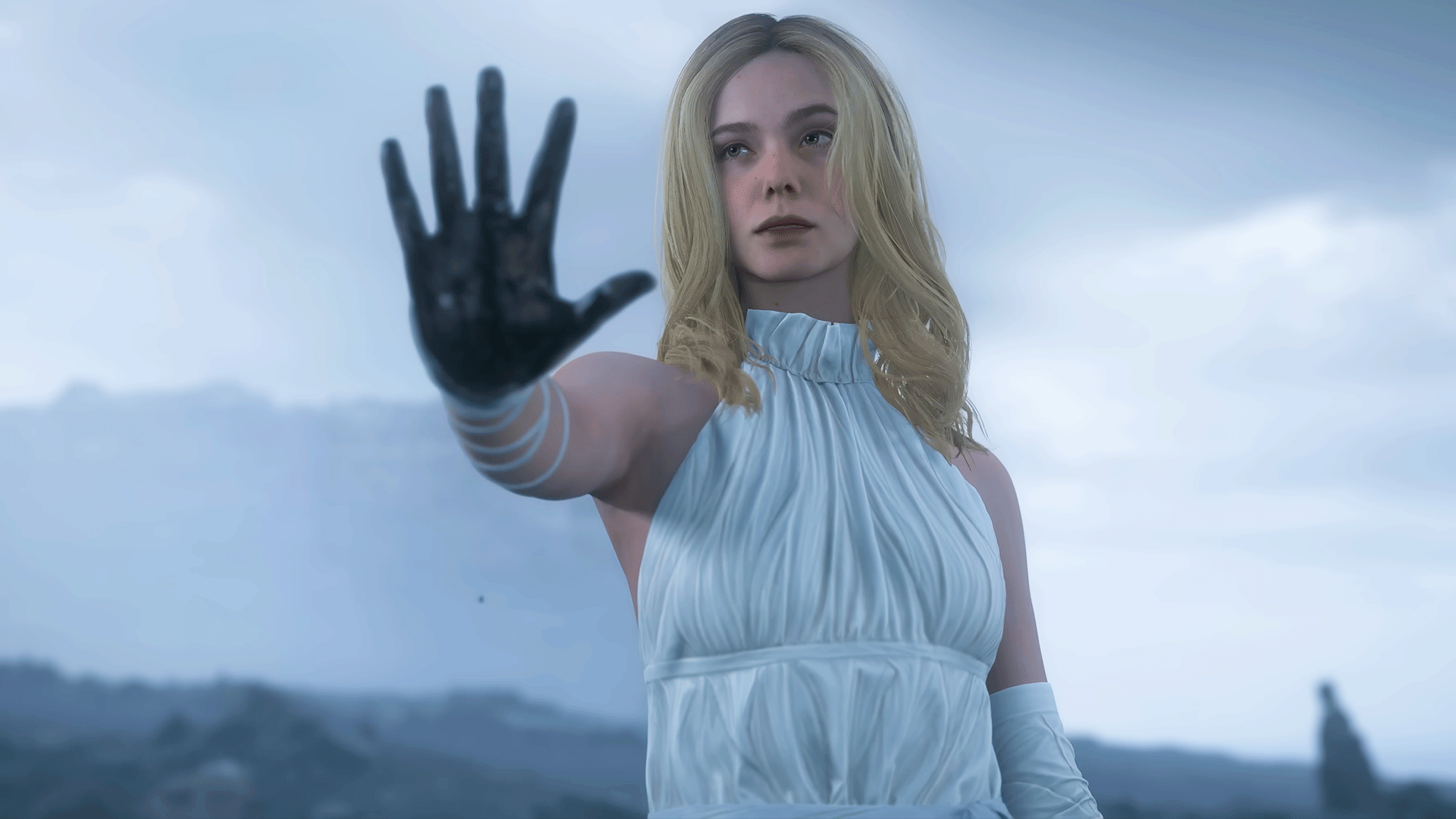
The crux of the matter, many suggest, lies in the trajectory of Death Stranding 2: On the Beach. While Kojima Productions boasts a massive cumulative player base across the franchise, recent sales estimates for the sequel have significantly cooled, presenting a stark contrast to the success of the original title.
Industry observers point out that while the original Death Stranding had sold five million copies by March 2021, the sequel’s market reception has been noticeably softer. Sales analysis suggests that revenue for the sequel has slowed considerably, leaving questions about the viability and scale of future, equally ambitious projects.
This financial pressure, combined with the monumental cost of creating lengthy, cinematic experiences involving major Hollywood talent, appears to have spooked Sony. Financial experts suggest that the jump in estimated development costs—with the sequel potentially costing between $150 million and $200 million—made the risk-reward calculation untenable for the PlayStation studio.
For Sony, the decision became a brutal exercise in balancing prestige against profit. As one analyst noted, the spotlight was shifting from artistic vision to the bottom line. The focus was undeniably on margins, especially in an environment where other high-profile projects have faced significant budget overruns or cancelled trajectories.
Ultimately, this strategic pivot is being hailed as a major win for Microsoft. By stepping in to back Physint, Xbox has gained significant brand momentum, especially following a period of internal restructuring and project cancellations. It positions Xbox as the clear, financially pragmatic choice for ambitious next-gen endeavors.
In the end, the saga of Physint is more than just a title change; it’s a vivid illustration of how the harsh realities of the gaming business are reshaping creative partnerships, proving that sometimes, the numbers—not just the vision—make the final call.
Buy on Amazon
Credit