Dev complains copycat stole game code
The Great Copycat War: Developers Clash Over Stolen Code in the Steam Ecosystem
In the competitive landscape of Steam, where viral ideas often lead to rapid imitation, a bitter dispute has erupted between game developers over alleged code theft. The conflict centers on the “needle in a haystack” genre, a category that has clearly become a magnet for opportunistic cash-ins and blatant copying.
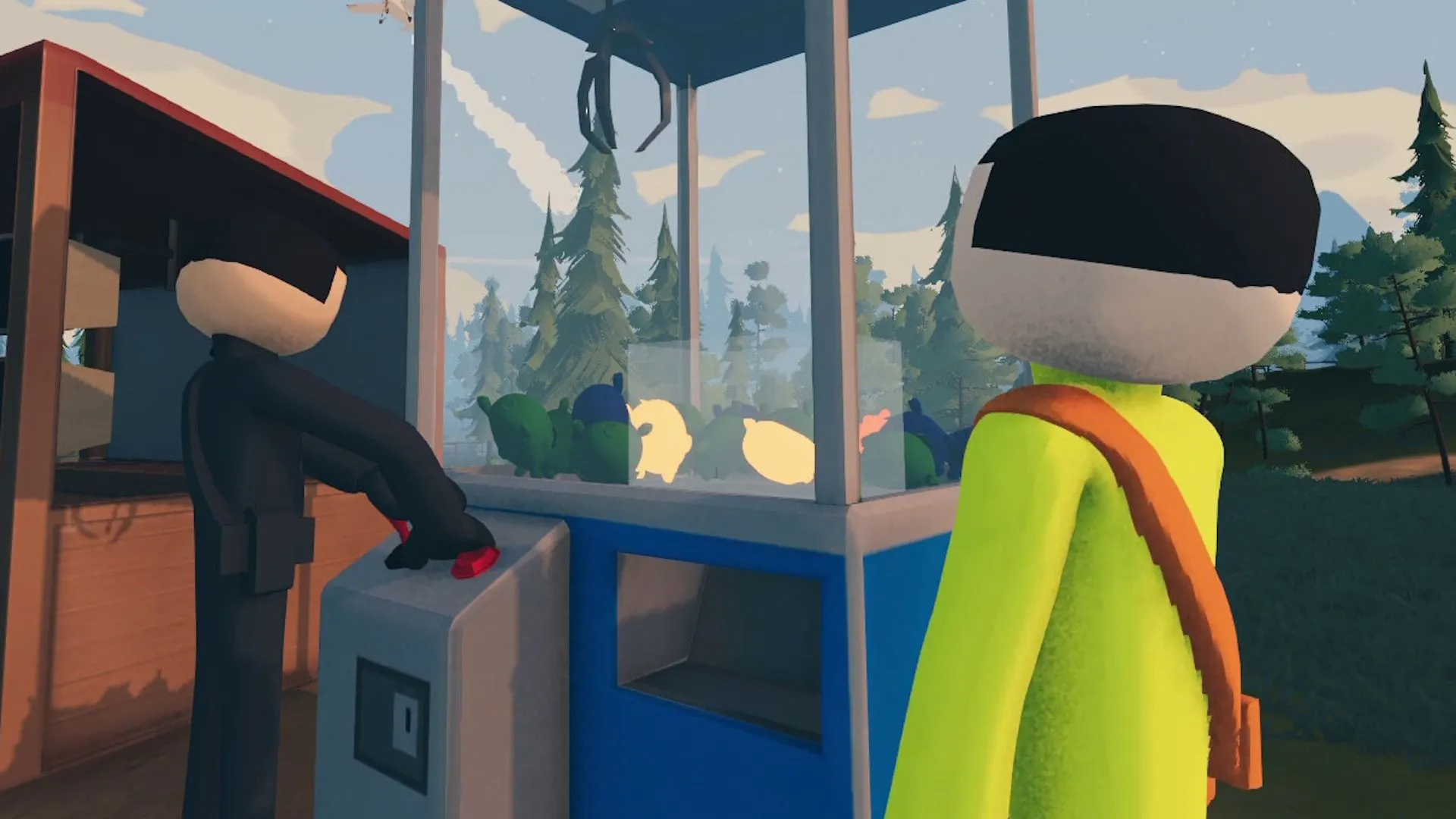
The friction began when the developer of Needle In A Haystack accused another developer of stealing their work. This claim emerged from a now-deleted Steam discussion post, which hints at a wider problem of intellectual property infringement within the community.
The dispute involved A Game About Needle In A Haystack, which reportedly copied the core concept and even lines of code from the original title. The developer of Needle In A Haystack, known as NoGlyph, made the claim public, stating that the copied code matched their demo builds from September 2026, adding a stark warning: “Judge for yourself whether you want to support that.”
This incident highlights the tenuous line between copying an idea and outright stealing proprietary work. While the accused game was removed from the platform, the developer’s assertion remains a potent reminder of the vulnerability developers face when sharing concepts online.
The genre itself seems to feed this cycle of imitation. The original creator joked about adding a mode where players sift through stacks of boxed copycats, suggesting that the entire category is defined by a relentless barrage of ripoffs.
This problem is not unique to niche genres. It reflects a larger, systemic concern on Steam regarding the proliferation of low-quality, AI-aided clones. Valve, the platform operator, has acknowledged this growing problem, recognizing the “AI slop” flooding the store. In response, Valve has advised developers to fight the trend by focusing on mechanics that are more difficult to copy and report.
The ongoing saga of code theft and market imitation underscores the delicate balance required in the digital gaming space. Whether addressing individual infringements or the broader issue of AI-driven replication, the community must continually weigh the ethics of creation against the reality of rampant replication.
Buy on Amazon
Credit