Developers Run Scared of BG4: The Masochistic Challenge
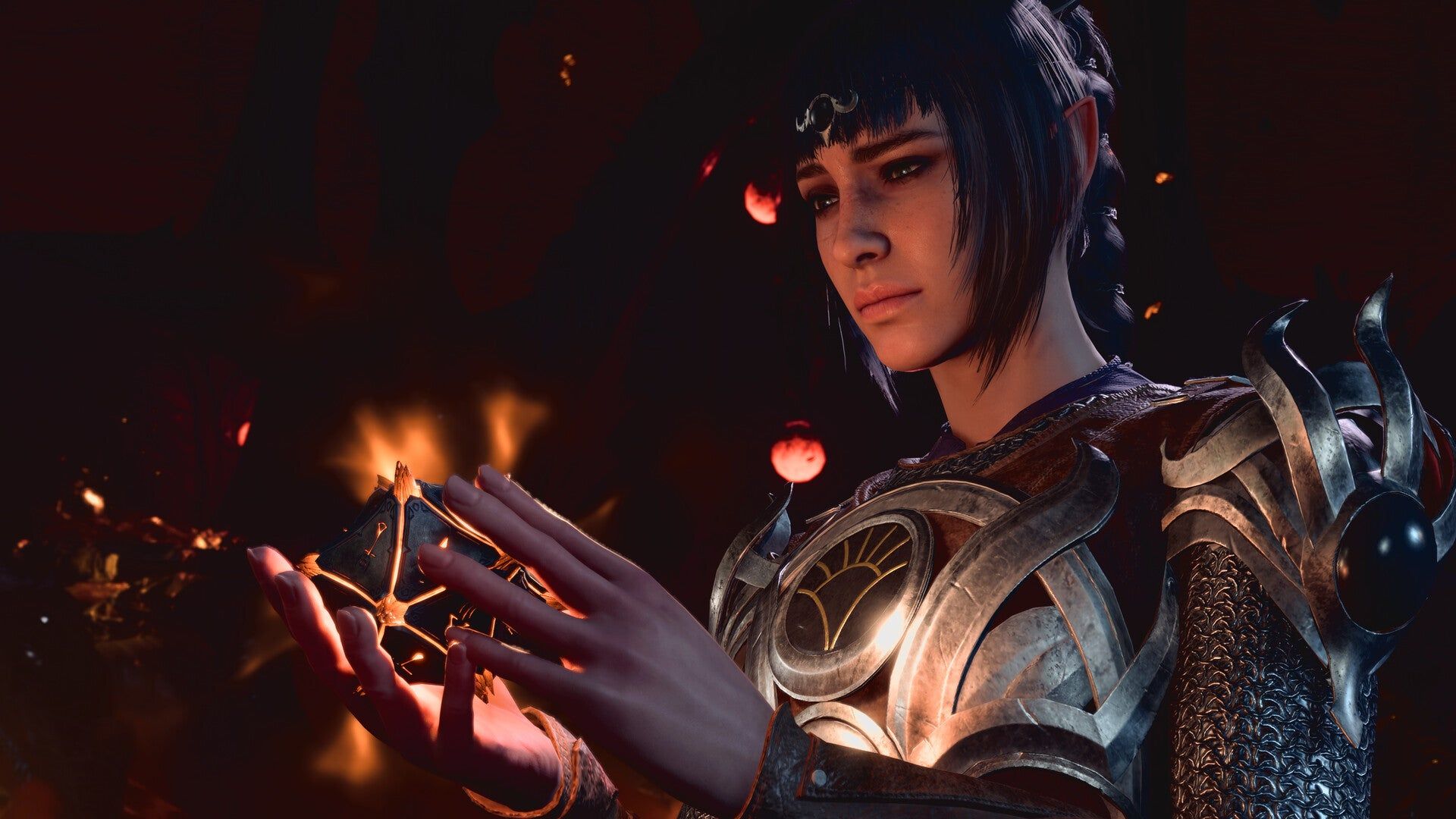
The shadow cast by Baldur’s Gate 3 looms large over the entire role-playing game landscape, posing an almost impossible challenge for any studio hoping to craft a worthy sequel. Larian Studios set a benchmark that is both breathtaking and virtually unattainable, leading developers to ponder who has the skill, time, and vision to attempt replicating such a monumental achievement.
This intense scrutiny has fueled online debates about which developer might be capable of taking on the ultimate challenge: creating the next great epic in the Dungeons & Dragons setting. Among the names frequently cited in these discussions is Owlcat Games, a studio known for delivering some of the most celebrated and complex RPGs.
Owlcat’s experience aligns with the ambition required for a game of this scale. They have successfully navigated the demanding landscape of cRPG design with titles like Warhammer 40,000: Rogue Trader, which many compare favorably to the complexity and depth offered by Baldur’s Gate 3. This track record suggests a pedigree for handling epic narratives and deep mechanical systems.
When asked about tackling Baldur’s Gate 4, Owlcat’s co-founder and creative director, Alexander Mishulin, was quick to embrace the difficulty. He views the task not as a simple imitation but as a genuine test of skill.
“We will consider it a great challenge,” Mishulin stated. While he acknowledged the immense hurdle of matching Larian’s standards, he offered a crucial piece of advice: trying to simply replicate what already exists is a recipe for failure.
He suggested that any studio attempting to reproduce Larian’s formula—specifically their unique approach to combat, co-op mechanics, and integration of Dungeons & Dragons elements—is bound to falter. The true opportunity lies in forging a new path.
“Other studios will do something differently,” Mishulin explained. “They will have their own DNA, their own ideas, and they will pour those into Baldur’s Gate 4. It will be something else.” This perspective shifts the focus from imitation to innovation, suggesting that a sequel has the potential to redefine the genre rather than simply echo it.
The reality of this situation is that making a game like Baldur’s Gate 3 is arguably unique in modern gaming. The sheer scope, the depth of narrative, and the creative freedom required demand immense time, resources, and an almost unparalleled level of artistic control—qualities few developers possess.
For designers who have seen this, replication simply isn’t viable. One former co-lead designer of a previous title admitted that attempting to compete directly with Baldur’s Gate 3 would be “insanity.” The development journey for Larian involved years of iterative design and unparalleled feedback, resulting in a masterpiece that stands alone.
Ultimately, the quest for a follow-up becomes less about copying and more about originality. It asks whether a new team can take the foundational setting and build something uniquely their own—a challenge that promises to be far more rewarding than simply trying to catch up.
Buy on Amazon
Credit