Diablo 5 Darkness meets Sanctuary Hope
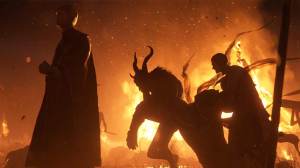
Diablo’s world of Sanctuary is not just a setting; it’s a landscape of ruin. In the latest installment, Diablo 5, the notion of a top tourist destination simply doesn’t apply, thanks to the relentless presence of roaming monsters and demonic forces intent on corrupting humanity. Everything has gone to hell—quite literally. Unlike previous entries, where the core mission was saving the land from Diablo and his Prime Evil Kin, this new adventure kicks off long after the Lord of Terror has already achieved dominion.
In this post-apocalyptic reality, the central question facing players is profound: how do you find the motivation to keep moving forward when evil has already triumphed? The world of Sanctuary, as depicted in Diablo 5, reflects this grim reality, doubling down on the dark atmosphere established in prior titles as humanity’s fall is vividly etched into the very landscape.
Blizzard’s vision for Sanctuary involves telling a multi-layered story. Executive producer Matt Zitterman emphasized the need to explore this darkness by viewing the world as built in layers: a layer about the past, a layer about the present, and a layer about the future. The past is crucial, offering the history of what happened to humanity when Diablo seized control of the realm.
This narrative is visualized through powerful metaphors. Zitterman describes the state of Sanctuary as akin to a forest fire, both during and after a devastating blaze. This imagery defines the geography of the game: some areas represent the battlefields where demons fought and humans were lost, while others signify active invasion zones where the darkness is still raging.
The Dread Commanders, the lieutenants of Diablo’s army, roam these devastated zones, marking them as active incursions. This visual storytelling emphasizes the shifting state of the world, reflecting the fate of Sanctuary as it exists in the future, should the player’s efforts not succeed in driving the demon out.
Yet, even amidst this overwhelming bleakness, a glimmer of hope persists. Senior production director Tiffany Wat highlights the narrative pivot, focusing on a march to reclaim a lost legacy. The player is no longer merely a Wanderer fighting for survival, but the heir of Westmarch, fighting to claim back a kingdom that belongs to them.
This shift changes the player’s stake dramatically. Instead of solely focusing on defeating Diablo, the emphasis moves toward survival and establishing a foothold. The journey becomes a caravan experience, where players meet and rely on other survivors to form a group. This progression mirrors the classic Western theme, with the growth of a campfire and a wagon circle symbolizing growing community and inevitable progress.
The progression of the story is tied into this survival theme, offering compelling visual storytelling as players fight back the encroaching darkness. Whether gathering a jeweler or a blacksmith to join the caravan, the goal is to make tangible progress, creating a sense of victory through collective action. This echoes the spirit of tales like Oregon Trail, turning the dark world into a landscape of determined resilience.
Looking ahead to the launch in 2029, Blizzard is preparing to deliver a fresh experience by integrating the best elements of previous games. Fans of the loot grind can anticipate set items, and the world will feature many classes to choose from, promising plenty of reasons to start a new run in Sanctuary.
Credit