Director compares game development to flaming barrels falling from construction site
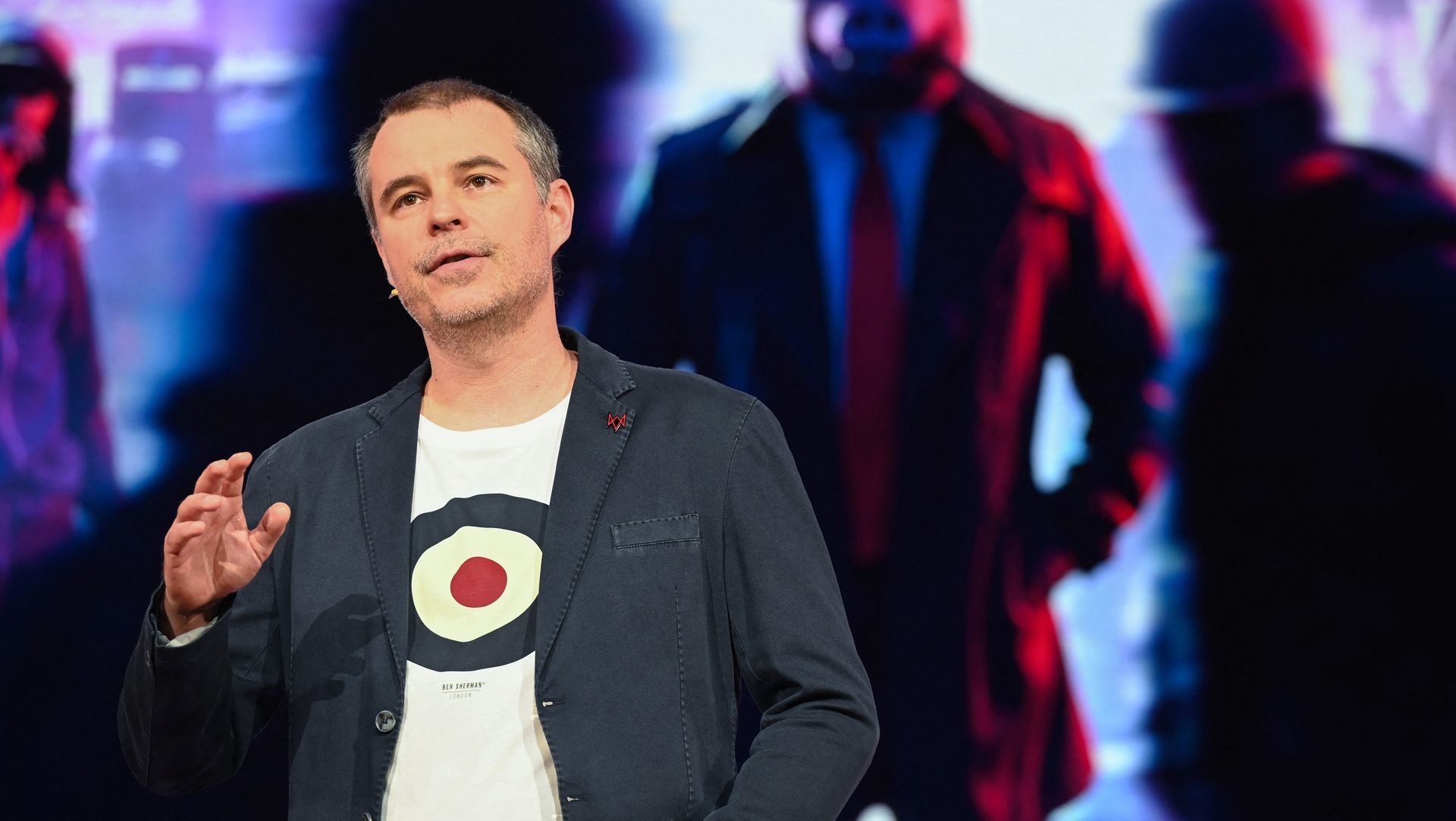
Watch Dogs and Splinter Cell veteran Clint Hocking has offered a candid glimpse into the often-turbulent world of massive game development, describing his experience leading large teams at Ubisoft as akin to watching flaming barrels falling down from a construction site, much like a scene from Donkey Kong.
This striking analogy captures the inherent chaos many feel when trying to steer complex creative projects. Hocking shared this observation while discussing how his role evolved as development team sizes expanded, leading him to reflect on feeling less effective while managing Ubisoft’s multi-studio efforts, particularly on Watch Dogs Legion.
The challenge of managing a large creative machine comes down to communication. Hocking recalled the disconnect between high-level review and practical execution. When discussing content, he noted that in a meeting with thirty people—including directors, producers, and project managers—it is difficult to get granular input from those who actually built the assets.
He explained the frustrating cycle: reviewing a specific piece of content only to discover that the person responsible for iteration is tied up on another task. This often meant waiting weeks for changes, only to find the entire context had shifted in the interim.
“It’s like, where’s the person who worked on this?” Hocking noted. The reality of game development, he suggested, is a relentless stream of unpredictable pivots where deadlines and dependencies create a constant sense of misalignment. It often feels exactly like those falling barrels—a cascade of effort that isn’t always smoothly managed.
Hocking’s career has been deeply embedded in Ubisoft’s history. He initially joined the studio to contribute as a designer and scriptwriter to the legendary Splinter Cell, serving as a creative director for its follow-up, Splinter Cell: Chaos Theory, and later on Far Cry 2.
After several years spent at other industry giants like LucasArts, Valve, and Amazon, Hocking returned to Ubisoft in a new capacity, stepping into the role of creative director for Watch Dogs: Legion. This transition led him to oversee work on the Assassin’s Creed franchise, where he led development on Assassin’s Creed Hexe.
Ultimately, the story of Clint Hocking illustrates the demanding reality of leading massive creative endeavors—where vision must constantly negotiate with logistical complexity to bring a shared, polished experience to life.
Buy on Amazon
Credit