Director reveals why Helaena isn’t a dragonrider
The Weight of Fire: Directors Tackle the Dragons in House of the Dragon
In the high-stakes world of House of the Dragon”>House of the Dragon, every choice feels monumental. While epic battles and political machinations dominate the screen, recent episodes have forced viewers to pause and consider the deeply personal relationship between the Targaryen family and their terrifying companions—the dragons. One particular decision, centering on the fate of Princess Helaena and her dragon Dreamfyre, has sparked considerable debate among fans and creators.
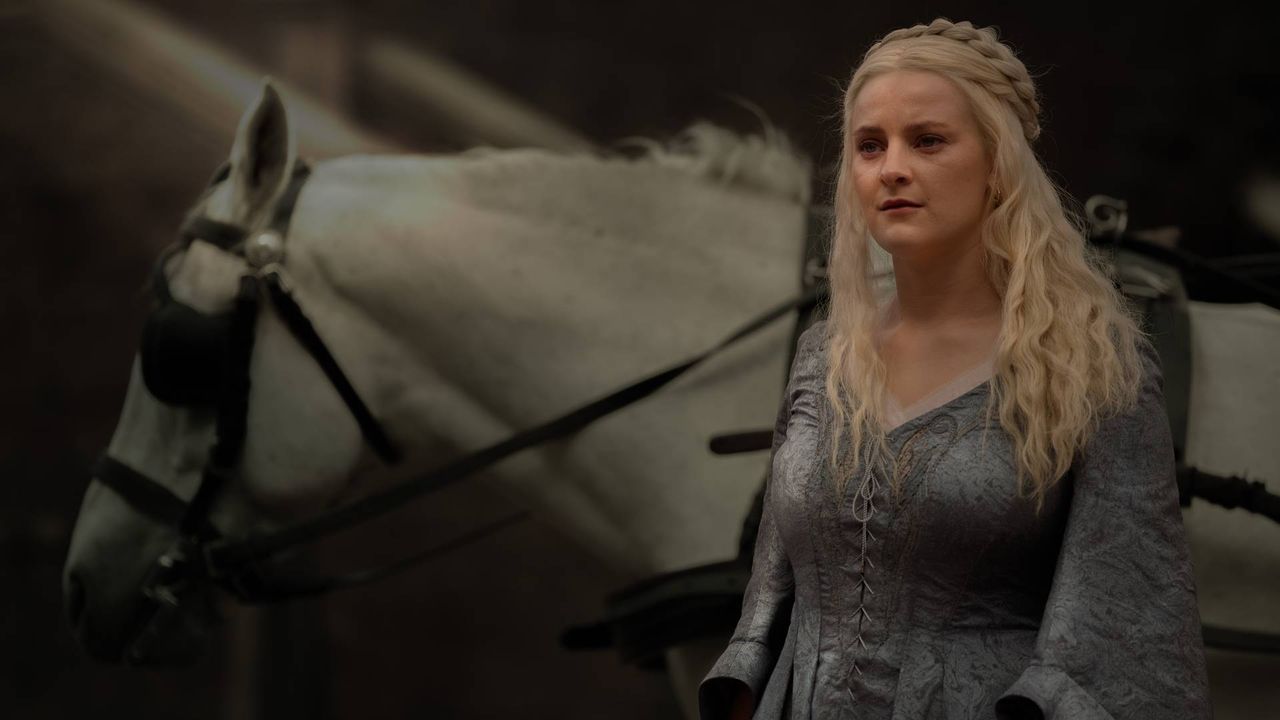
The latest installment offered a glimpse into this internal turmoil when Dreamer Helaena experienced powerful visions. During one of these moments, she was finally seen upon her dragon’s back as hundreds of citizens gathered at the dragonpit in King’s Landing. This visual moment is potent because it highlights a core theme of the series: the fear that dragons represent not just power, but a corrupting force that fundamentally alters human nature.
The artistic rationale behind this sensitive choice was explored by the episode’s director, Nina Lopez-Corrado. She provided insight into the complex relationship between Helaena and her creatures. Lopez-Corrado suggested that Helaena’s experience of being torn over the dragons stems from their profound ability to change people and reshape the entire world around them. “She has such a strong feeling about the dragons in which she’s torn because she thinks that they do change people and that they’ve changed their whole world, essentially,” Lopez-Corrado explained.
Lopez-Corrado posited that Helaena’s internal struggle is amplified by her Targaryen heritage. She noted that regardless of the external conflict—the war raging in the family—the dragons act as a persistent mirror, trapping this inner turmoil within the Targaryens. This perspective frames the dragons less as mere weapons and more as embodiments of inherited psychological weight.
These artistic adjustments touch upon deeper concerns raised by author George R.R. Martin regarding the narrative trajectory of the series. Martin had previously voiced apprehension about changes made in earlier seasons, suggesting that seemingly small shifts could have significant long-term repercussions for the story’s emotional core. This concern focused particularly on elements like Prince Maelor’s introduction.
Showrunner Ryan Condal has worked to accommodate these concerns by postponing Maelor’s appearance. However, as Helaena navigates her pregnancy and the ongoing conflict, the tension between the narrative demands and the emotional reality of the characters remains a central point of discussion for those following House of the Dragon”>House of the Dragon’s development.
The final episodes of Season 3 delivered explosive action, showcasing the raw power of the dragons in dramatic combat. Viewers witnessed their first true confrontation with Dreamfyre and a fierce four-way battle involving powerful beasts like Sunfyre, Aegon’s dragon, and Vhagar. These battles reminded audiences that while political drama is compelling, the scale of the conflict—and the emotional toll of riding fire—is what truly defines this legendary saga.
House of the Dragon”>House of the Dragon season 3 is currently streaming on HBO Max and NOW, offering viewers a final look at the fate of House Targaryen amid mounting chaos.
Buy on Amazon
Credit