DirectX Raytracing overhaul boosts frame rates and cuts VRAM
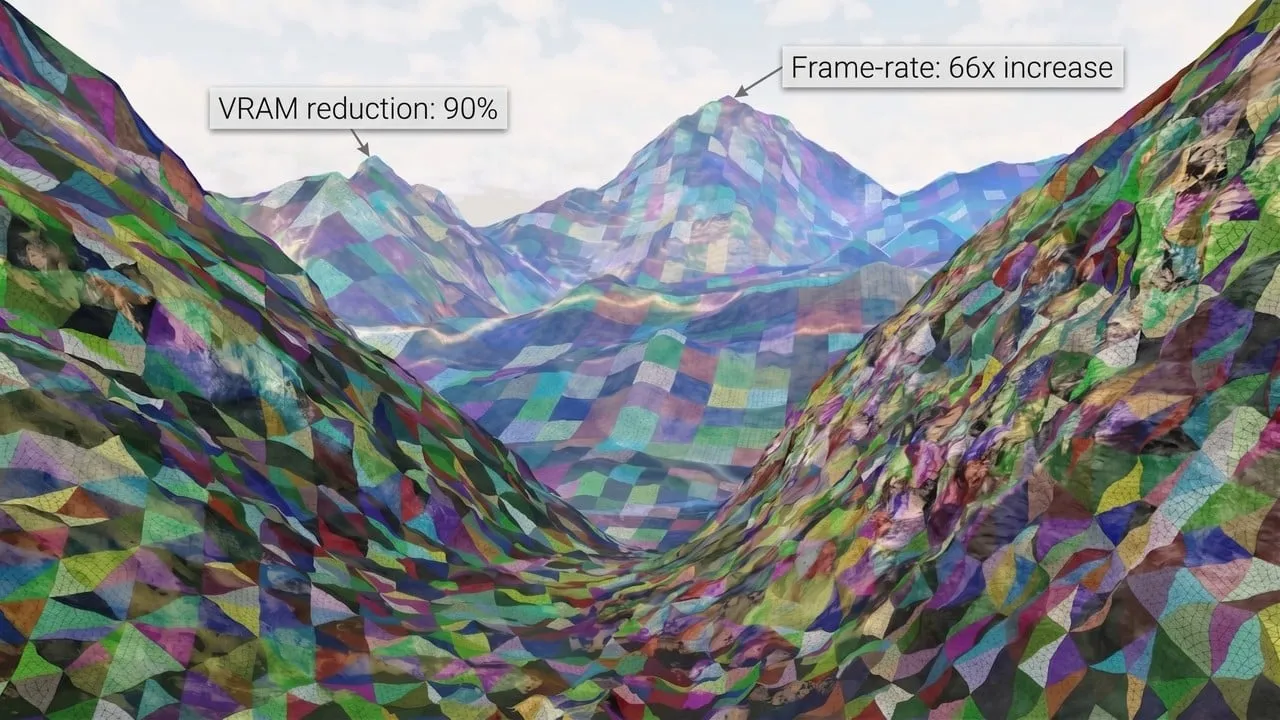
Microsoft has just delivered a major performance overhaul for developers working with real-time rendering, introducing a significant update to the DirectX Raytracing (DXR) standard. This new iteration is engineered to tackle the long-standing challenges of frame rate limitations and excessive memory consumption in ray tracing applications.
Engineers behind the change are making some serious leaps in efficiency. This progress is not achieved through a single fix, but through the implementation of two core, sophisticated technologies: clustered geometry and partitioned top-level acceleration structures, known as PTLAS.
These innovations work hand-in-hand to fundamentally improve how the system builds and updates the ray tracing acceleration structures. By optimizing these processes, developers can experience more fluid, real-time rendering with less strain on system resources.
For one of the contributors to this exciting development, Engineer Amar Patel described the update as “the most significant update” to the DXR standard since its initial launch in 2018, highlighting the depth of the technical achievement.
Ultimately, the goal of clustered geometry and PTLAS is to make ray tracing genuinely practical for real-time applications. By streamlining the way acceleration structures are handled, Microsoft is pushing the boundaries of what current hardware can achieve in demanding graphical environments. This overhaul promises to unlock new levels of performance and efficiency for a wider range of game and application developers.
Buy on Amazon
Credit