DLSS 5 Leaks Modded by Modders into a Slop Filter
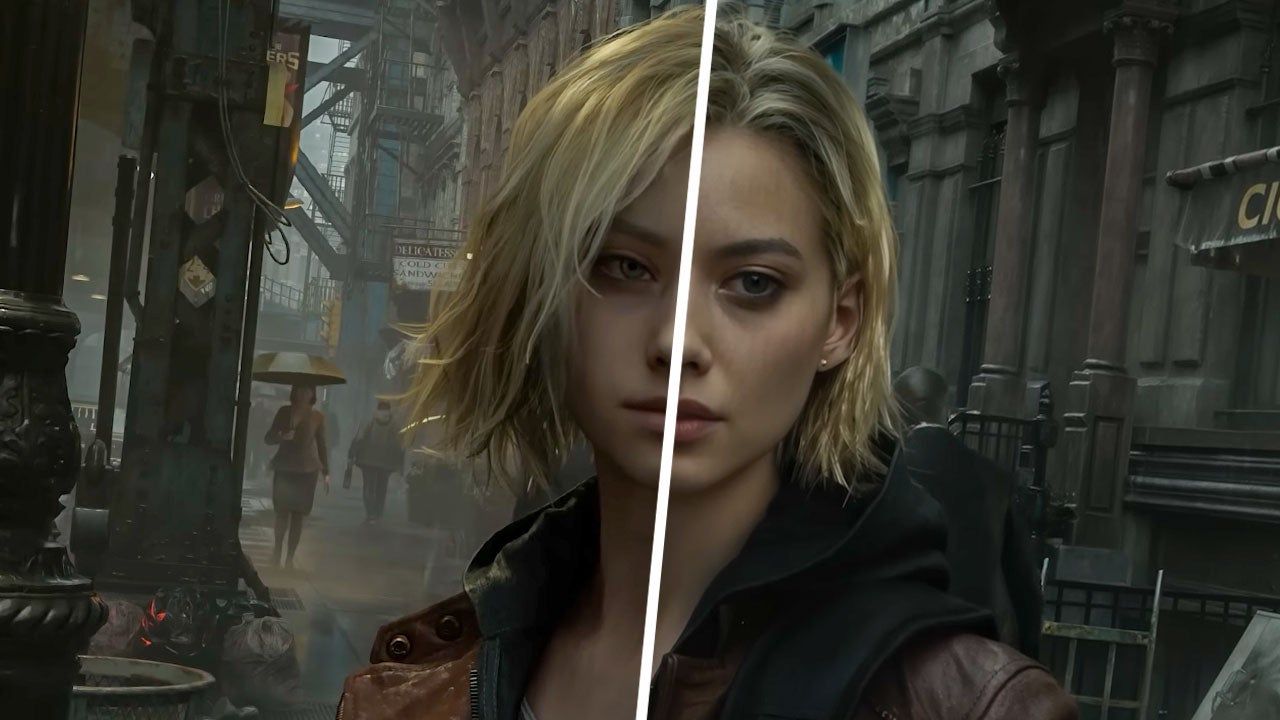
The pursuit of hyper-realistic graphics has always been a battle waged between visual fidelity and computational power. Now, with Nvidia’s latest AI-driven leap, the battlefield has gotten even more complicated. Nvidia recently introduced DLSS 5, promising to inject neural rendering into games to deliver visuals that are genuinely more realistic. While the promise of photorealism is tantalizing, the reality has been far more chaotic, pitting technological ambition against widespread public skepticism.
Despite the initial fanfare, the reception to DLSS 5 has been anything but smooth. Yet, behind the official announcements, the development engine has been running hot. Evidence suggests that Nvidia has been actively refining this neural rendering technology, leaking files and allowing the community to explore its limits long before a full public release.
This experimental phase spilled into the gaming world through the modding scene. Enthusiasts have managed to extract components of the new system, such as the nvngxdlssnr.dll file, which clearly hints at the presence of Neural Rendering. This file was spotted in early access builds of titles like the NBA 2K27, proving that the technology is already circulating outside of official channels.
Enter the modders, who have taken this raw technology and started pushing boundaries. They have successfully integrated elements of DLSS 5 into other games, including titles like Control. These modifications aren’t just cosmetic; they allow users to manipulate various sliders—such as auto skin mask, intensity, and style—giving them granular control over how the neural renderer transforms the images. This level of customization is exactly what Nvidia had hinted at being possible.
But where does such visual finesse come from? The crucial takeaway for PC gamers is the performance cost. In initial tests, enabling neural rendering immediately took a heavy toll on system resources. One demonstration showed a significant drop in frame rate, pushing performance from 95fps down to 53fps. This immediately established a major point of contention: DLSS 5, in its current state, makes performance worse, positioning it as one of Nvidia’s AI software additions that directly impacts frame rates.
The visual results, however, are where opinions diverge sharply. While some users describe the effect as “deep fried,” others are equally impressed, noting that the characters look significantly more photo realistic and less like stylized, Pixar-esque figures. This split opinion highlights the subjectivity inherent in pushing the boundaries of visual AI.
Ultimately, the real debate for consumers will hinge on performance. While the visual debates may continue into the future, the performance impact is the deciding factor for many PC gamers. If the next generation of hardware, like the RTX 5090, sees its performance cut in half by these new rendering techniques, the decision of whether to enable the feature will be heavily scrutinized. It serves as a stark reminder that in the world of bleeding-edge tech, the performance trade-off is often the most significant factor.
Credit