DLSS 5 Powers Older Graphics Cards
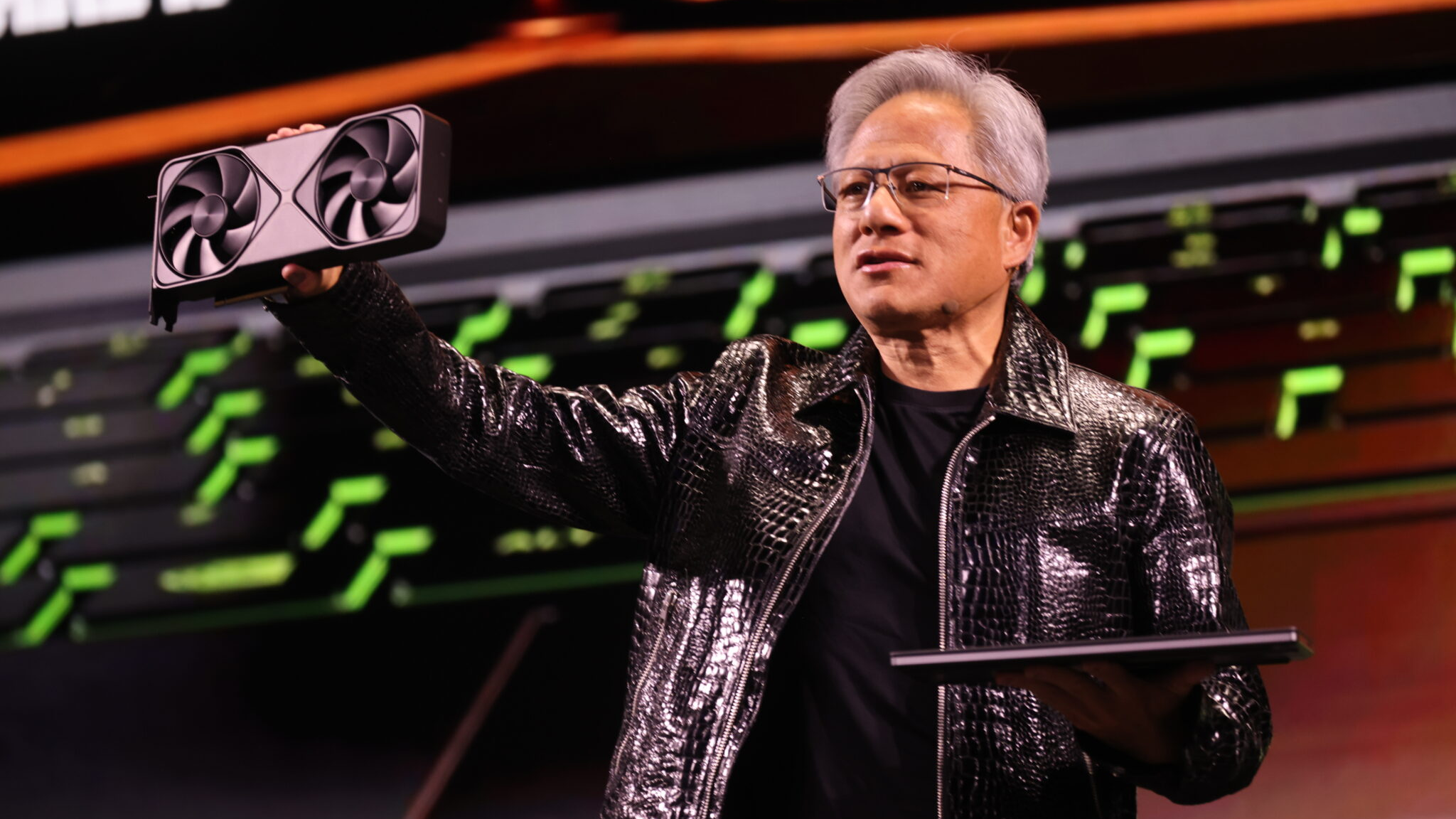
Nvidia’s latest leap in artificial intelligence graphics technology, DLSS 5 neural rendering, has officially landed, promising a future where gaming visuals are rendered with unprecedented AI precision. It made its debut in NBA 2K27, setting a new benchmark for visual fidelity, but the initial rollout has presented a fascinating study in the gap between technological ambition and real-world performance.
At first glance, DLSS 5 is a game-changer, injecting more AI into the rendering process to deliver smoother, higher-quality images. However, this cutting-edge technology is currently restricted to the newest generation of RTX 5000 graphics cards, raising questions about the timeline for broader adoption.
While the initial excitement is palpable, the focus for Nvidia right now is clearly on perfecting the experience for the RTX 50 Series. Company insiders indicated a strategy to fully optimize the technology for the newer architecture before retrofitting the advanced features to the older Ada Lovelace architecture found in the RTX 40 series. This phased approach suggests a calculated effort to achieve peak performance before expanding support to a wider range of hardware.
The immediate performance reality, however, suggests that the transition is not without friction. Early testing with the technology revealed a significant performance trade-off. When enabled on a high-end RTX 5090, frame rates dropped noticeably, falling from approximately 57 to 60 frames per second down to around 37 fps—a staggering performance hit of nearly 43 percent.
This reduction highlights a critical challenge: maximizing visual quality does not always equate to maximizing raw performance. This observation is particularly concerning when considering systems with older architecture, such as the RTX 4080, which may struggle to fully capitalize on the advanced Tensor Cores while utilizing the new rendering methods.
Despite the initial performance dips, the underlying technology is clearly evolving rapidly. Since its initial reveal in March, Nvidia has made substantial optimizations. Where the technology initially required two RTX 5090s to operate smoothly, the current claim is that the AI has improved model performance by roughly five times.
This evolution demonstrates Nvidia’s commitment to refining the process. While the current performance trade-offs need further scrutiny, the journey of DLSS 5 proves that AI is successfully injecting intelligence into the rendering pipeline. The real test now is whether these optimizations will eventually shrink the performance penalty and make this powerful technology accessible to a wider range of gamers and PC owners.
Buy on Amazon
Credit