Dragon Age failure blamed on EA’s yearly release demands
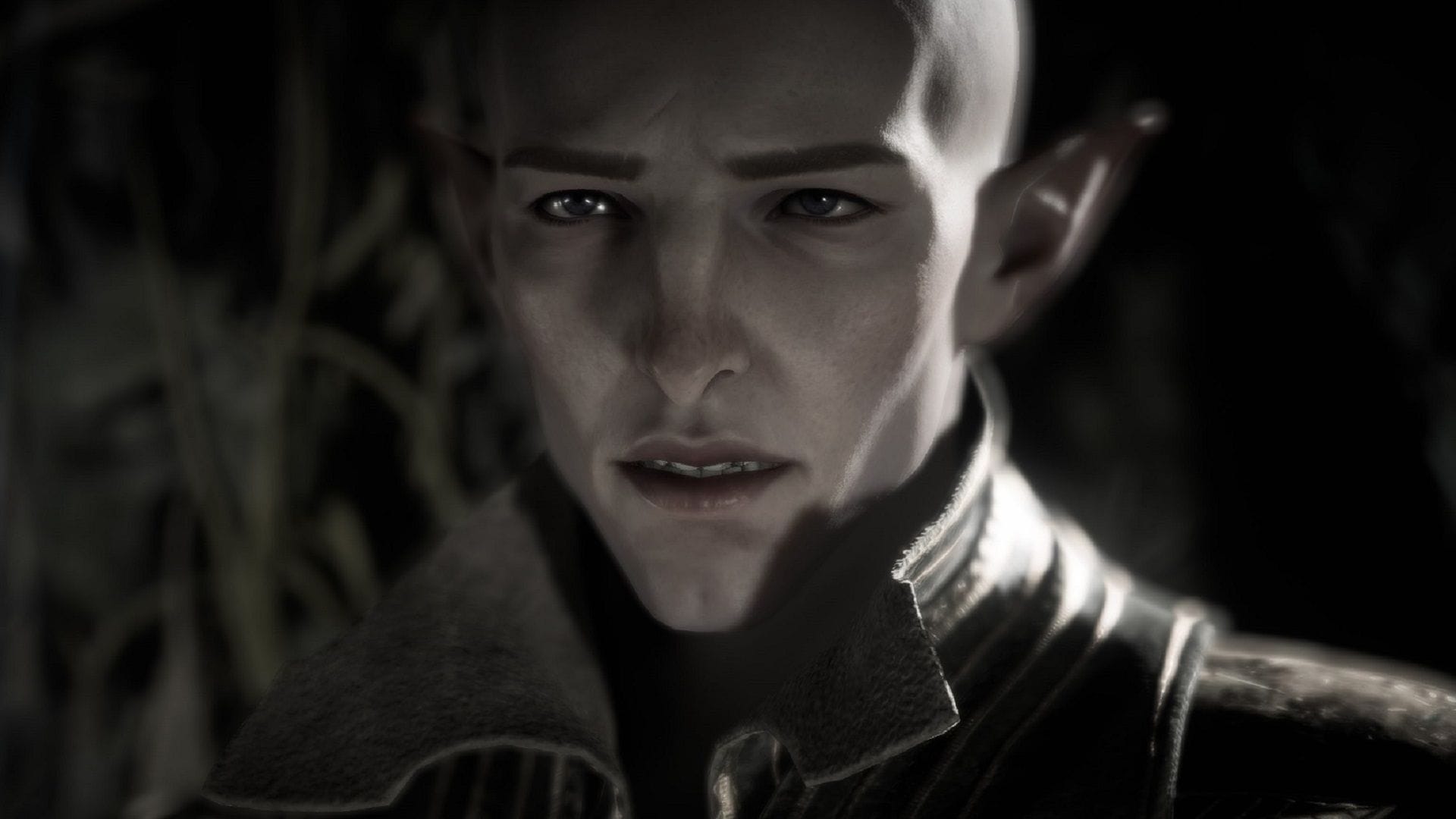
The Dragon Age franchise, once a towering pillar of fantasy role-playing, now finds itself navigating some choppy waters. Following the commercial reality of Dragon Age: The Veilguard, the series has entered a period where its future is more uncertain than ever. But what led to this shift? The answer, it seems, lies not just in the game itself, but in the complex pressures of development, shifting deadlines, and the sometimes demanding structure of the industry.
To understand the fallout, a key voice offers an honest assessment. Mark Darrah, a lead developer across the entire installment line and one of the central figures behind the franchise, detailed the challenges that contributed to the project’s difficulties. His analysis points directly to structural issues rather than simple creative shortcomings.
One of the primary hurdles, Darrah explains, involved the management structure. When he was working on Anthem, he noted that the project proceeded without its most senior leadership, pointing to a lack of crucial guidance during those intense years.
The timeline was another significant factor. Delays, often caused by shifting goalposts that weren’t sufficiently distant, meant the team spent considerable time hovering near the perceived release date, rather than having the necessary room to breathe and take a truly comprehensive look at the massive project.
“There was never a time when the project was way in the future,” Darrah recalled. This lack of temporal distance meant the team couldn’t fully step back, look things over, or reassess the project in a fresh light when needed.
These internal pressures were exacerbated by the external demands placed upon the studio. The need to fit BioWare into the annualization approach of major publishers, specifically EA, created a difficult balancing act. When a development slate included titles like Dragon Age: Inquisition, Mass Effect: Andromeda, Anthem, and Dragon Age 4, the cumulative effect of those sequential releases created a domino effect that complicated the development cycle for The Veilguard.
This confluence of internal staffing issues and external corporate timelines ultimately contributed to the muted reception of the latest installment. Now, the future of the series remains ambiguous. While whispers about sequels like Mass Effect 5 persist, the focus for the franchise is likely shifting toward rebuilding and redefining its path. The hope remains that Dragon Age will find a roaring return, though the timeline for that is certainly not immediate.
Buy on Amazon
Credit
