Dragon Age veteran doubts series comeback with EA IP graveyard
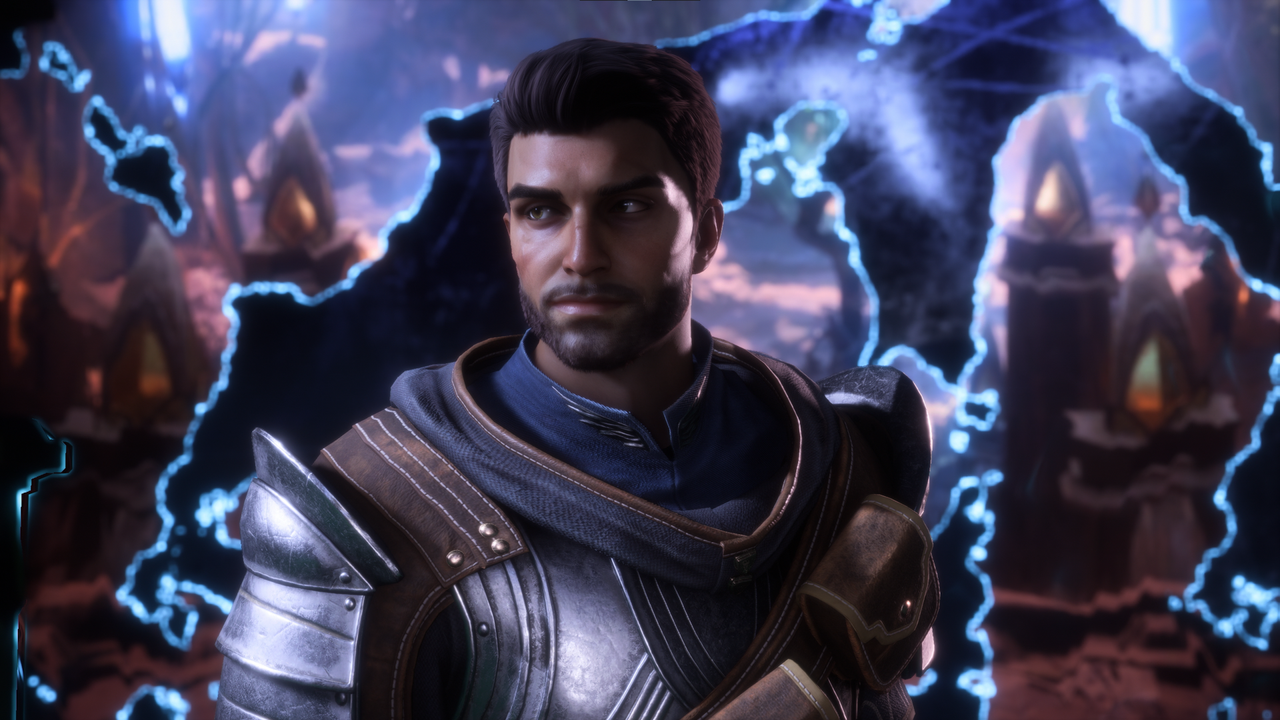
The fate of a beloved fantasy franchise often hinges not just on gameplay, but on boardroom decisions and corporate strategy. For the sprawling Dragon Age universe, this tension is currently playing out in the corporate waters, with some veteran voices suggesting that bringing a new installment to market will be an uphill battle.
Mark Darrah, a long-time BioWare veteran and former producer, paints a cautious picture of the series’ future. Despite previous successes, including the critical acclaim of Dragon Age: Inquisition, recent developments have introduced significant uncertainty regarding the franchise’s next chapter. The question remains whether the next great Dragon Age RPG can successfully navigate the modern landscape.
Darrah points to external corporate realities as a major stumbling block. He suggests that the challenges facing the series are less about game design and more about the complicated relationship between BioWare and Electronic Arts (EA). In his view, EA sometimes operates less like a passionate developer and more like an investment fund with a video game hobby—a perspective Darrah notes remains true regarding the wider corporation.
This corporate structure introduces massive hurdles. When considering a new Dragon Age project, Darrah speculates about internal politics, questioning who within BioWare would even be tasked with pitching such a title. He suggests that if an attempt were made by the larger organization to revive the franchise, the path would likely encounter resistance, making the process fraught with difficulty.
Compounding these internal concerns are broader financial shifts impacting the development environment. BioWare has navigated recent years of mass layoffs while focusing resources on key titles like Dragon Age: Dreadwolf and Mass Effect. This focus, coupled with the impending proposed buyout of EA by investment groups, further raises the specter of studio bandwidth limitations for legacy projects.
Darrah also touches upon the wider financial stakes, noting that when contemplating changes to ownership, the question becomes whether the new controllers would prioritize BioWare or its celebrated IPs. This environment suggests that any future development must contend with significant external economic pressures.
Yet, amidst these corporate headwinds, a fierce loyalty persists. Dragon Age fans, Darrah observes, are not giving up on the RPG. Instead, they are expanding the world and lore, demonstrating an unwavering commitment to the narrative and characters that sustain the franchise.
Ultimately, while the path ahead for a new Dragon Age title looks challenging from a business perspective, the passion of the community ensures that the legend of BioWare’s epic fantasy world remains firmly alive.
Buy on Amazon
Credit