Dune RTS stuck in licensing hell despite GOG
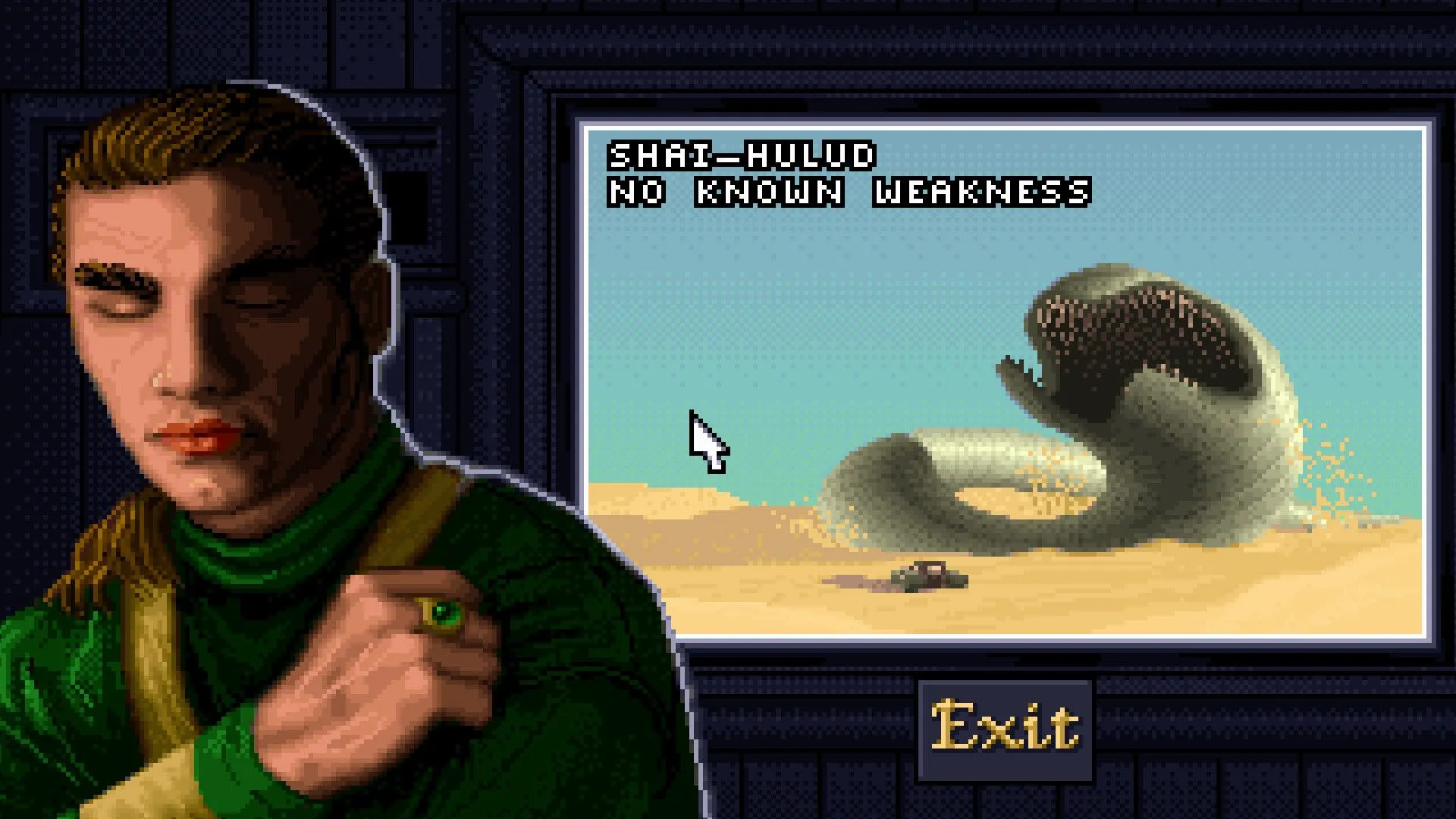
The year 1992 gave us a masterpiece of strategy gaming: Dune 2: The Building of a Dynasty. This title didn’t just create a classic; it established the very DNA of the real-time strategy genre, serving as a foundational blueprint for titans like Blizzard’s Warcraft and Westwood’s own Command & Conquer. It stands as one of the most important games ever made, a true digital landmark.
Yet, despite its legendary status, this iconic title has somehow evaded a modern re-release. The reason lies not in a lack of quality, but in the utterly nightmarish tangle of intellectual property (IP) ownership that surrounds it. Creating a game based on a movie, based on a novel, based on an adaptation, and then subsequently trying to package it for a modern audience results in a serious licensing headache.
Marcin Paczynski, a senior manager at GOG, is wrestling with this exact dilemma. He views the situation as one of the most frustrating examples of how complex licensing can derail even the most beloved classic. For any modern developer, finding the simple path to re-release a game like Dune 2 is an exercise in corporate archaeology.
The complication stems from the history of the Dune franchise itself. While the game was created by Westwood Studios, the underlying material traces back to the 1984 movie, produced by Dino De Laurentiis. The rights are scattered across a multitude of entities, none of which hold the ultimate, simple title.
The chain of ownership is a fascinating, frustrating labyrinth involving multiple giants. Electronic Arts holds the game code and assets, but they don’t own the core IP. The true ownership is dispersed among Universal Pictures, the rights holder stemming from De Laurentiis, the Herbert Foundation, and, crucially, Legendary Pictures, which now owns the IP for newer adaptations like Dune: Awakening.
This situation becomes even more tangled when considering past installments. Legendary Pictures’ ownership, particularly through their licensing deals, creates an exclusivity that complicates any attempt to re-release older Westwood titles, such as Dune 2000 and Emperor: Battle for Dune.
Ultimately, the problem boils down to a complicated web of multi-billion dollar companies. To market a re-release of a classic game—even one that might sell a modest number of units at a price point like $5.99 or $9.99—requires navigating the rights of Universal, EA, the Herbert Foundation, and Legendary Pictures simultaneously. It’s a perfect, albeit frustrating, example of how complicated ownership can paralyze the desire to give beloved classics a modern second life.
Buy on Amazon
Credit