
Duskbloods Multiplayer: See the Exclusive Gameplay
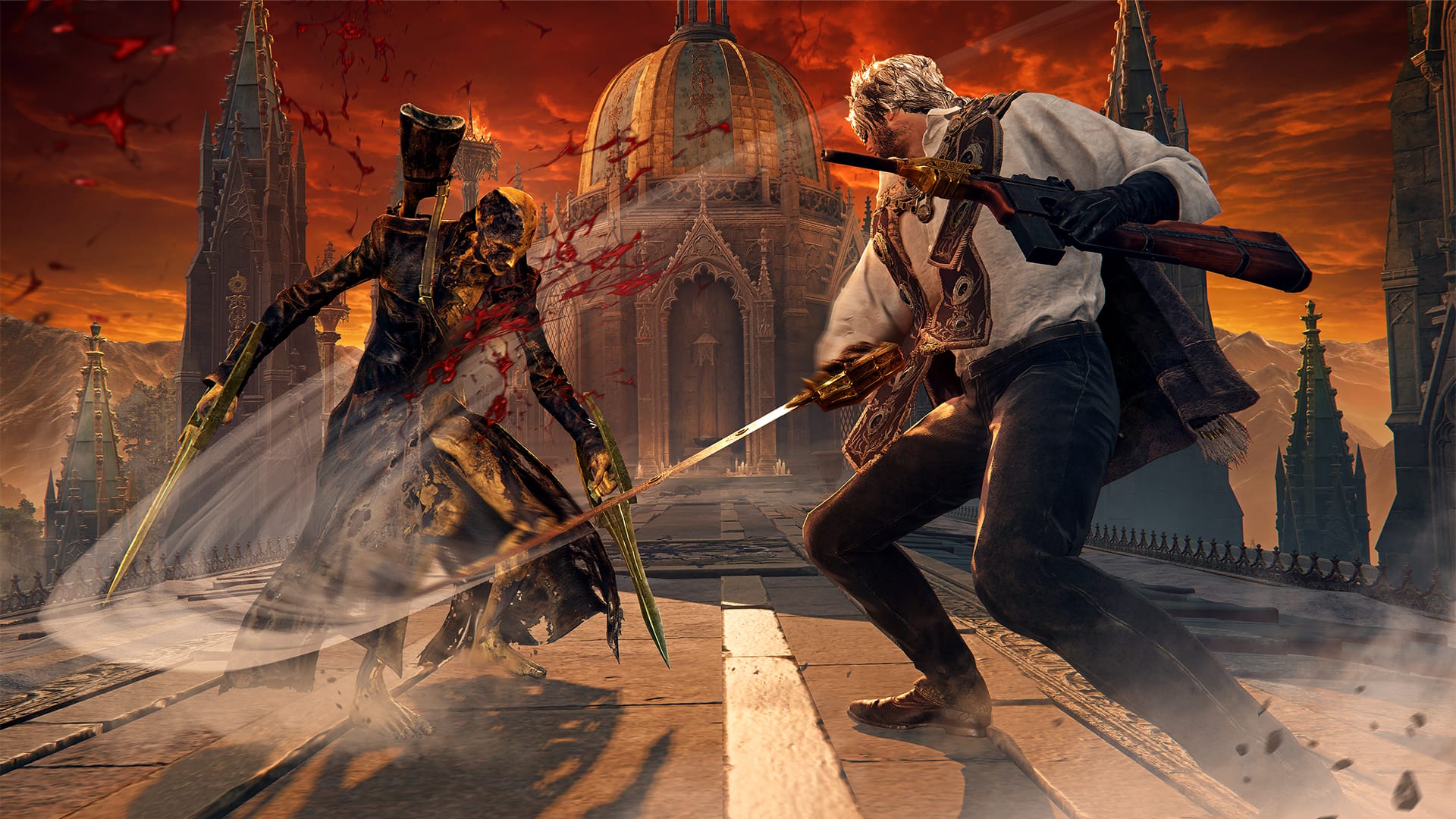
When FromSoftware brings a new title to the table, the expectation is always high. But with The Duskbloods, the expectation isn’t just about intricate combat; it’s about complexity, strategy, and a wild leap into multiplayer territory. This game isn’t simply another Souls experience—it’s a profound evolution of the challenging, mysterious world we know, infused with the chaotic energy of true player interaction.
Director Hidetaka Miyazaki has openly acknowledged that tabletop RPGs and board games heavily influenced the design of The Duskbloods. This foundational approach allows the game to achieve something truly unique: a system where victory isn’t just about slaying monsters, but about navigating a complex ecosystem of virtues and rivalries.
The core gameplay pits eight players against each other in a phase-based PvPvE environment. Matches are structured in three intense phases where teams must accumulate ‘Virtue’ points to survive the onslaught of The Culling. While players are always capable of surviving the initial stages, the true battle unfolds in the climactic final phase, which culminates in a thrilling three-player PvP brawl for ultimate glory.
How do players accumulate these crucial Virtue points? It’s a layered system that demands constant tactical awareness. Players earn points through Commendations, which track PvE kills and item collection, and Flame Virtue, the elusive purple embers found on skeletal thrones. But the real strategic depth lies in ‘Rituals.’ These are map-based events where players engage in King-of-the-Hill style capture points, forcing them to balance aggressive point-taking with defensive maneuvering. Capturing a point demands focus and leaves players vulnerable to rivals, making the PvP element intensely personal.
The dynamic shifts dramatically when players engage in combat within these Ritual Sites, where they can earn ‘Sword Virtue’ by eliminating opponents. This transforms the environment into a high-stakes zone where the push-and-pull of combat and map control becomes the central focus. The element of surprise, combined with deep knowledge of the interconnected map regions, proves to be the ultimate weapon for gaining an edge.
Beyond the intense PVP, the world is populated by NPC companions known as Kin, who act as dynamic team members. These companions can fight alongside players or provide vital support, leveling up independently and creating unique in-match builds. Whether you summon a supportive ally or a devastating behemoth, Kin integration becomes a critical factor in navigating the escalating chaos.
The combat itself carries the familiar weight of FromSoftware titles—a satisfying block, a precise parry, and the sonic howl that staggers foes. Yet, the movement system is wildly innovative. Players can quadruple jump, perform an airdash, and sprint infinitely, allowing for breathtaking verticality and a frantic sense of motion that rivals faster action-adventure games. Despite some frustrations with the camera lock-on during high-speed PvP, this fluid movement ensures that the battle remains dynamic and relentlessly fast-paced.
The character customization further adds layers of complexity. Each Bloodsworn possesses unique Sigils, objectives that can dramatically alter the match’s cadence, and special abilities that unlock at higher levels. From the nimble Sniper Layla who favors ranged combat, to the transforming Senator Samir Patres, the Bloodsworn class system allows for highly distinct playstyles. It’s about understanding these movesets and anticipating your opponents’ capabilities to thrive in the volatile environment.
The Duskbloods isn’t just a game; it’s a masterclass in emergent gameplay. It asks players to blend the meticulous challenge of Souls combat with the strategic depth of a board game, demanding that players master map knowledge, virtue accumulation, and high-stakes PvP skirmishes. It stands as a testament to FromSoftware’s vision, promising a challenging, rewarding, and unforgettable journey for those who crave discovery and complexity.
Buy on Amazon
Credit