E-Ink Steam Machine Faceplate Build: Redditor’s Screen Refresh Fail
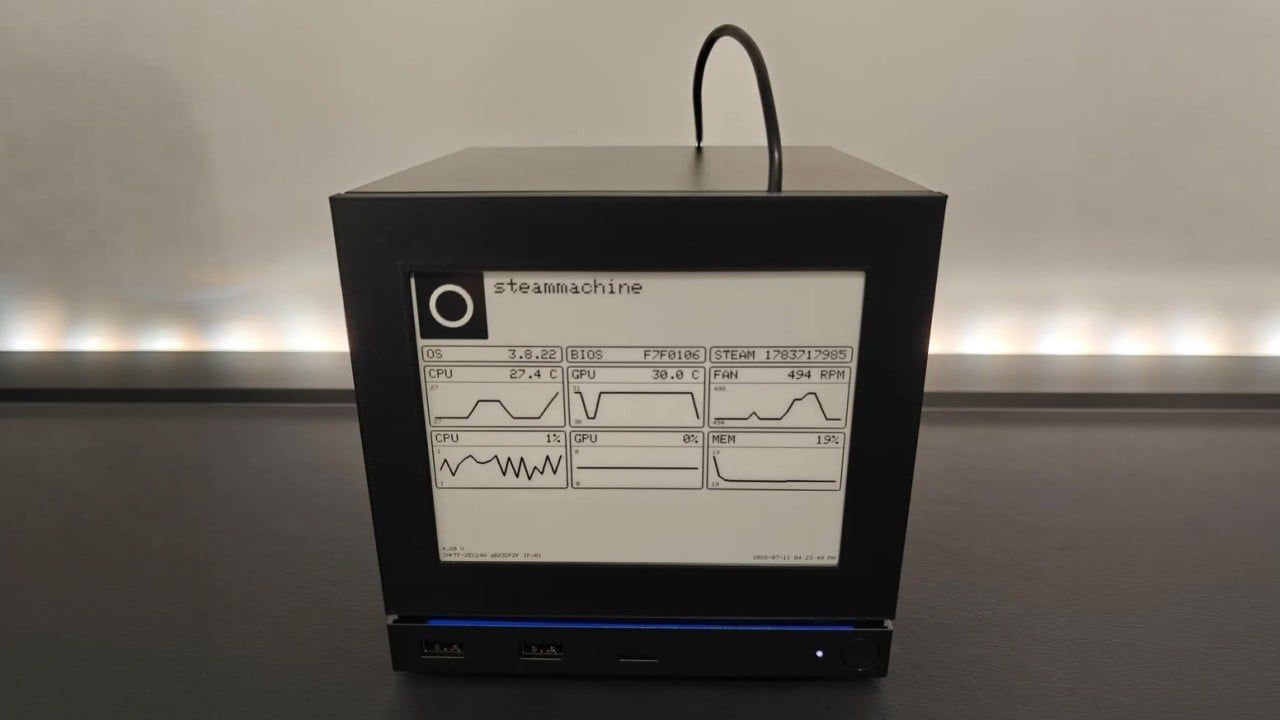
Unlocking the Secrets of the Steam Machine: Valve Releases Open-Source Faceplate Designs
For enthusiasts who dream of customizing their gaming setups, the latest news from Valve offers a tantalizing glimpse into the world of open-source hardware. The company has officially released the CAD files and firmware for the e-ink Steam Machine faceplate, transforming what was once an exclusive showcase into a community project waiting to be built.
Earlier this year, Valve had introduced the machine with its unique aesthetic in November. Now, they are providing the blueprints—the digital keys—allowing anyone interested in reverse-engineering or building their own version to step in and take the reins of the design process. This move shifts the focus from simply admiring the hardware to actively engaging with it at a foundational level.
The immediate reaction from the community has been electric. While accessing complex technical details sometimes requires patience, the spirit of DIY was already simmering. Within just a few weeks of the release, dedicated builders dove into the files, putting theory into practice and turning digital schematics into tangible reality.
One builder on popular community forums shared their experience, noting that the initial process proved to be surprisingly manageable. They described the assembly as “pretty straightforward,” proving that high-level design can indeed translate into accessible physical creation for the hobbyist.
However, as with any pioneering project, builders uncovered details that offer valuable lessons for future iterations. While the core experience was positive, some limitations in the initial design prompted constructive suggestions aimed at streamlining the process further.
For example, builders suggested adjustments to certain components and firmware settings. One key recommendation involved exploring alternative hardware options, such as a different Adafruit board, which could help eliminate certain firmware tweaks and simplify the entire integration experience for future projects.
This journey highlights a powerful trend in modern technology: the shift from proprietary designs to open-source models. Valve’s decision to release these assets empowers the community not just to use the hardware, but to truly understand, modify, and innovate upon it, ensuring that the story of the Steam Machine continues to be written by its dedicated fans.
Buy on Amazon
Credit