EA’s $55B buyout complete next week
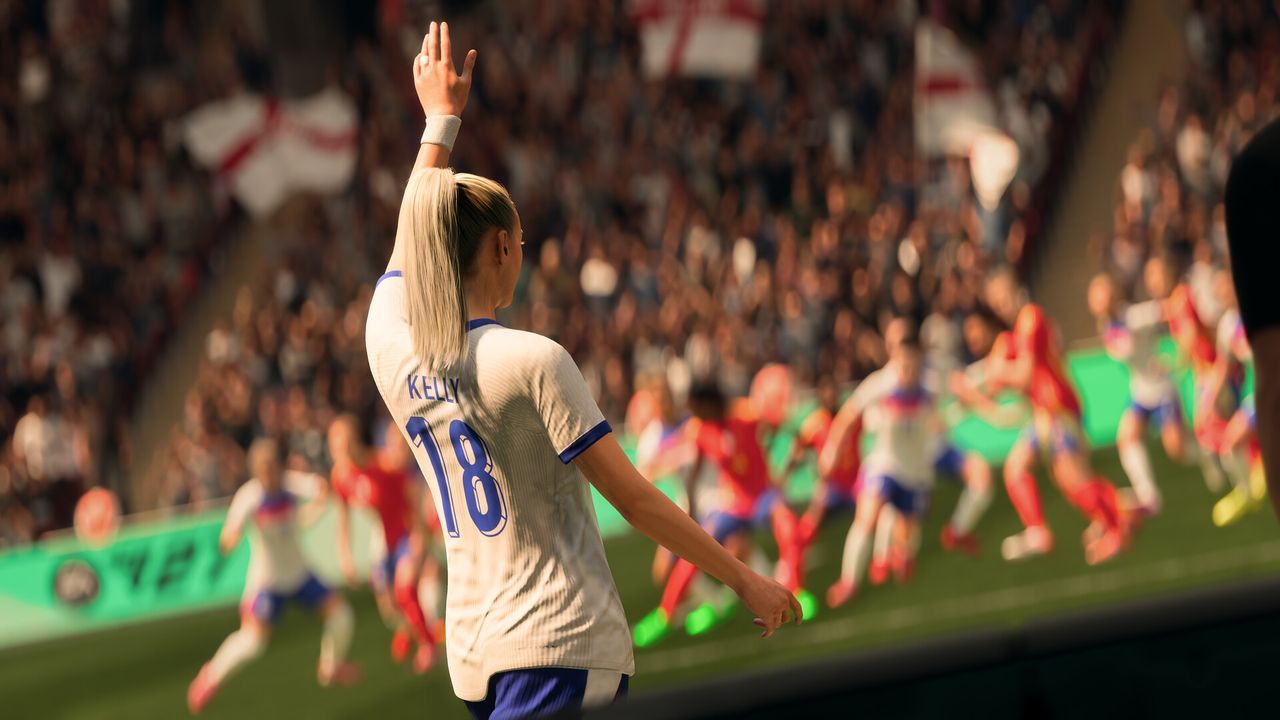
The $55 billion buyout of Electronic Arts is finally nearing its finish line, setting the stage for a massive shift in the gaming landscape. The controversial deal to go private is set to close next week on August 4, following successful navigation through regulatory hurdles.
Electronic Arts has officially confirmed that all necessary approvals have been secured, marking the end of a complex transaction that has generated significant debate among developers, investors, and governments alike. This monumental agreement sees a consortium of global investors take control of the massive entertainment company.
At the helm of this acquisition will be Saudi Arabia’s Public Investment Fund (PIF), which will secure a controlling stake of 93.4% of EA’s shares. The remaining ownership is split between Affinity Partners, an investment firm linked to prominent figures like Jared Kushner, and Silver Lake.
While the financial mechanics are clear—a staggering $55 billion exchange—the deal has been defined as much by its fallout as by its valuation. The European Commission had previously cleared the transaction, concluding that the purchase would not raise competition concerns given its limited impact on market competition within the relevant areas.
However, beyond the balance sheets and regulatory stamps, the acquisition sparks profound anxieties concerning the future of game development and corporate influence. Many developers have voiced serious concerns about the potential consequences, fearing dramatic reductions in staff, studio closures, and a significant reduction in personnel due to the looming $20 billion debt structure attached to the deal.
The political implications are equally weighty. US senators have expressed deep concern over the perceived foreign influence and national security risks associated with the transaction, raising questions about how such large-scale corporate shifts impact domestic interests.
Furthermore, discussions surrounding this buyout have touched upon critical issues regarding content and values. There is worry that the influence exerted by the PIF might impact EA’s commitment to developing inclusive games, a concern amplified by organizations tracking human rights records.
Despite the financial upheaval, internal compensation remains a point of focus. For instance, recent moves show a stark contrast: while layoffs are feared, the CEO received substantial compensation, including an $8 million bonus increase and potential severance payments, highlighting the complex layers of executive payouts amidst the transition.
As the deal finalizes, the industry watches closely to see how this massive ownership change will reshape creative freedom and operational strategies within one of gaming’s most influential studios.
Buy on Amazon
Credit