Engineers Signal Grim Future Memory Crisis Worse
The Memory Maze: How the Gaming Industry is Drowning in a Silicon Shortage
The world of high-end gaming hardware has always been defined by relentless innovation and ambitious price tags, but lately, the dream of owning the next generation of tech has collided head-on with a brutal reality: a memory crisis that is deepening into an economic chokehold.
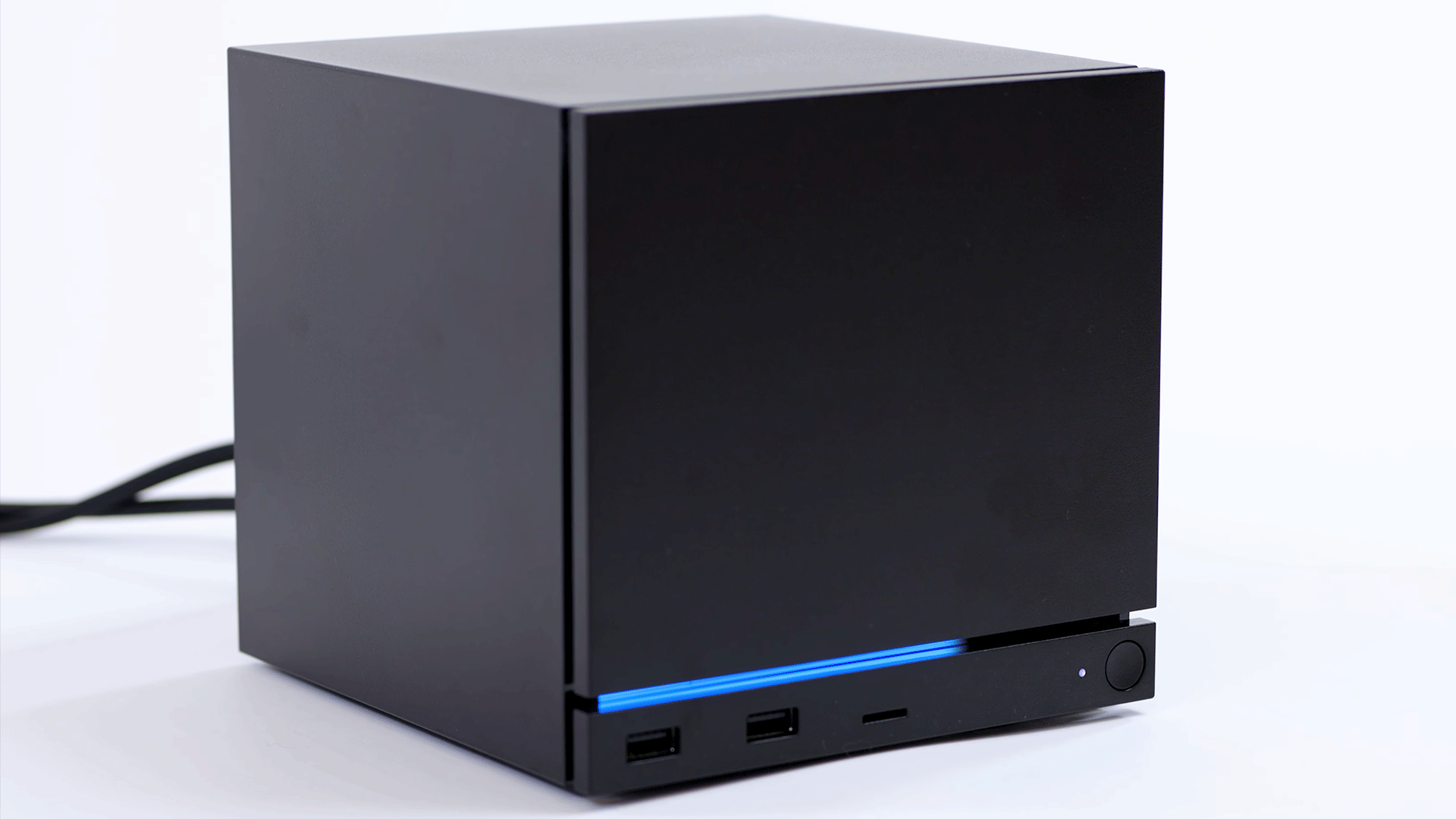
Engineers at Valve, who were instrumental in bringing the revolutionary Steam Machine to life, are now sounding the alarm. They reveal that the escalating cost of RAM and memory supplies is not just a temporary hiccup; it is a systemic problem that is only getting worse for consumers facing already exorbitant prices.
Yazan Aldehayyat and Pierre-Loup Griffais, who navigated the complexities of hardware development, offered candid insight into how the booming artificial intelligence industry has amplified the strain on the supply chain. Their observations suggest that the current situation is far more severe than many anticipated.
When Valve launched its flagship device, the pricing was already steep. The base 512GB Steam Machine started at a staggering $1,049, and the most powerful 2TB version bundled with a controller soared to $1,428. It was expected that sourcing difficulties would occur, but the reality has far exceeded their expectations.
The struggle is not unique to Valve. The broader tech landscape is grappling with these same shortages. While the company sought ways to make the Steam Machine more affordable, they issued a sobering warning: price drops are not imminent.
This memory crunch is hitting every corner of the industry. Leaders across technology are experiencing similar headwinds. For instance, Micron’s CEO Sanjay Mehrotra previously expected the RAM shortage to persist through 2027, signaling the long-term gravity of the situation.
The high-end gaming sector has been particularly hard hit by these supply chain constraints. Epic Games boss Tim Sweeney had cautioned that high-end PC gamers would likely struggle with prices for several years as demand continues to surge.
Even major console manufacturers are paused, caught in the crossfire of component scarcity. Sony is still deciding when and how to launch its next generation console, the PS6, navigating a landscape where memory shortages continue to dictate timelines and costs.
The lesson from the gaming world is clear: as technology becomes more complex and AI-driven demands soar, the physical foundations of computing—the memory chips—remain the critical bottleneck. The quest for affordable, cutting-edge hardware is now intrinsically linked to navigating a global supply chain that is proving to be far more volatile than ever before.
Buy on Amazon
Credit