Epic Games pivots to AI first game development
The AI Revolution in Gaming: How Epic Games is Letting Machines Write the Code for Disney‘s Next Shooter
The future of game development is being written in lines of code and strokes of art, and the industry giant Epic Games is leading the charge. In a significant pivot for its massive collaboration with the Walt Disney Company, Epic is embracing an AI first development strategy, entrusting artificial intelligence with the heavy lifting of creating content for an upcoming shooter.
This isn’t just a minor tweak; it represents a fundamental shift in how games are made. Instead of traditional, purely human workflows, Epic is deploying sophisticated AI models, such as Anthropic’s Claude, to generate vast amounts of code and guide the creation of artwork for their next major title. The goal is to move beyond manual creation, pushing development into a realm where AI powers the creative engine.
While the technology is powerful, the human touch remains crucial. The strategy outlined by Epic is not about replacing developers, but redefining their roles. Human developers will be tasked with managing, refining, and providing the necessary guidance for the code and art assets produced by these advanced models. This new methodology promises to eliminate much of the tedious, hand-written labor, allowing teams to focus on high-level vision and creative direction.
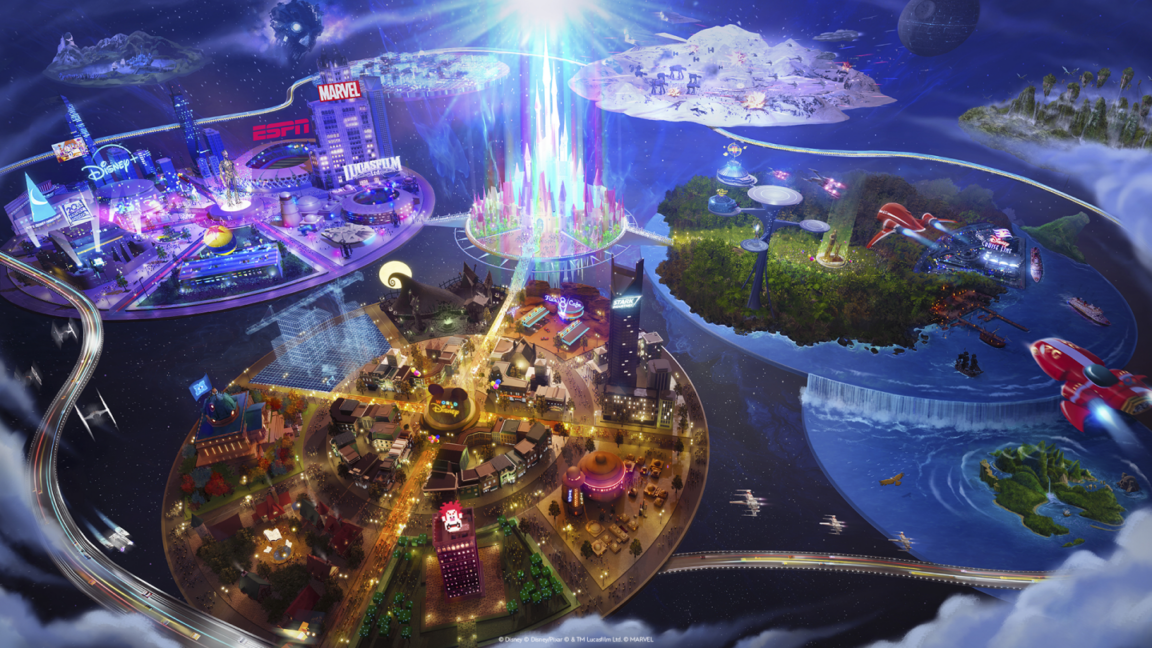
This AI revolution is playing out against a backdrop of ambitious projects. The collaboration between Epic and Disney, which involved a substantial $1.5 billion investment and was initially slated to deliver a Marvel and Star Wars-themed shooter by March 2027, has seen a necessary pause. Amid the internal shakeup regarding AI adoption and slower-than-expected development speeds, the project has been delayed indefinitely.
The pause reflects a broader industry reality: integrating cutting-edge AI requires careful navigation. While the potential for hyper-efficient content generation is enormous, the process of integrating these tools effectively into complex, narrative-driven projects demands careful management and adaptation. Epic’s decision signals a willingness to embrace disruption, proving that the lines between human creativity and machine intelligence are rapidly blurring in the world of interactive entertainment.
Buy on Amazon
Credit
