ESA targets handhelds as superfake piracy enablers
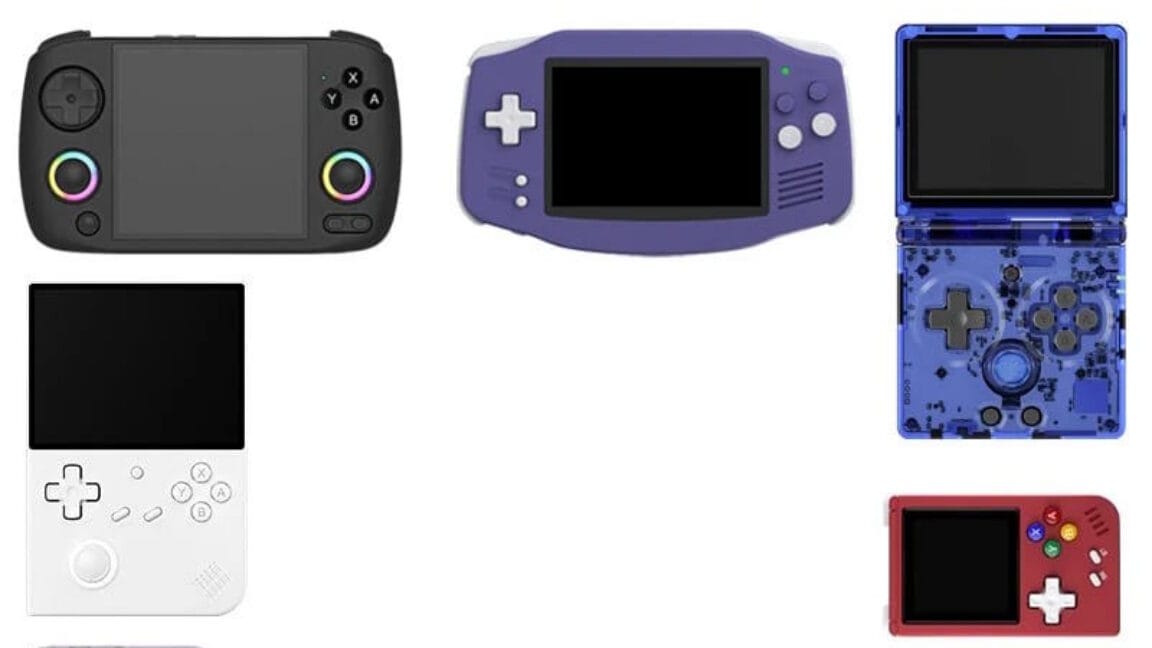
The world of handheld gaming has been rapidly reshaped by innovative hardware, particularly those focusing on retro emulation and modern game streaming. Chinese hardware manufacturers have successfully carved out a significant niche with these Android-based gaming devices, appealing to a massive consumer base looking for accessible, portable entertainment.
However, this growing market has now collided with the intellectual property concerns of the global gaming industry. A major trade group representing major publishers is taking action, targeting one of the key hardware manufacturers, Anbernic, and asking the U.S. Trade Representative (USTR) to add the company to its list of “Notorious Markets”, a designation reserved for areas that facilitate substantial copyright piracy or trademark counterfeiting.
The action comes after the Entertainment Software Association (ESA) submitted a request to the USTR. The ESA’s concern centers on how these popular emulation devices are being marketed and sold. They argue that Anbernic devices are routinely offered or shipped with removable memory cards preloaded with hundreds or thousands of unauthorized copies of copyright-protected video games published by ESA members.
While many online sellers distribute ROMs alongside emulation hardware, the ESA argues that the presence of these illicit catalogs on polished consumer products normalizes hardware-based piracy. They contend that by delivering unauthorized content through high-quality retail channels, these devices help facilitate what the ESA terms a “superfake”—an ill-defined designation applied to “high-quality counterfeit trademark goods … on a commercial scale.”
The core argument is that the combination of the physical hardware and the illicit software content moves beyond simple piracy and actively enables the commercial distribution of counterfeit goods. This perspective suggests that the physical product acts as a delivery mechanism for intellectual property theft.
This move by the industry trade group highlights a growing effort to address the blurred lines between legitimate commerce and digital infringement in the rapidly evolving hardware and software landscape. It places pressure on global trade bodies to establish clearer frameworks for regulating how physical products are used to distribute copyrighted digital content.
Buy on Amazon
Credit
