ESO Devs Change Game Size to Reassure Worried Fans
The gaming world is currently navigating a period of corporate realignment, and the ripple effects of massive layoffs at Xbox have sent waves of uncertainty across the industry. While Microsoft sought to initiate a broad “reset” of its gaming business, developers at studios like ZeniMax Online Studios (ZOS) are sending a firm message: commitment to their beloved franchises remains intact.
The restructuring began when Xbox CEO Asha Sharma initiated cuts to staff, with further reductions planned over the next year. The impact was particularly felt by Bethesda, which saw significant personnel changes. Documentation reveals that 379 employees were laid off from ZOS and ZeniMax Media Inc., prompting serious questions about the future of content development.
In response to this shift, Bethesda leadership made it clear that the company needed to recalibrate its focus. The goal, as stated by CEO Jill Braff, was to step away from a purely speculative planning model and concentrate resources on strengthening their most successful franchises. This strategic pivot aimed to ensure sustainable growth and continued investment in player-focused content.
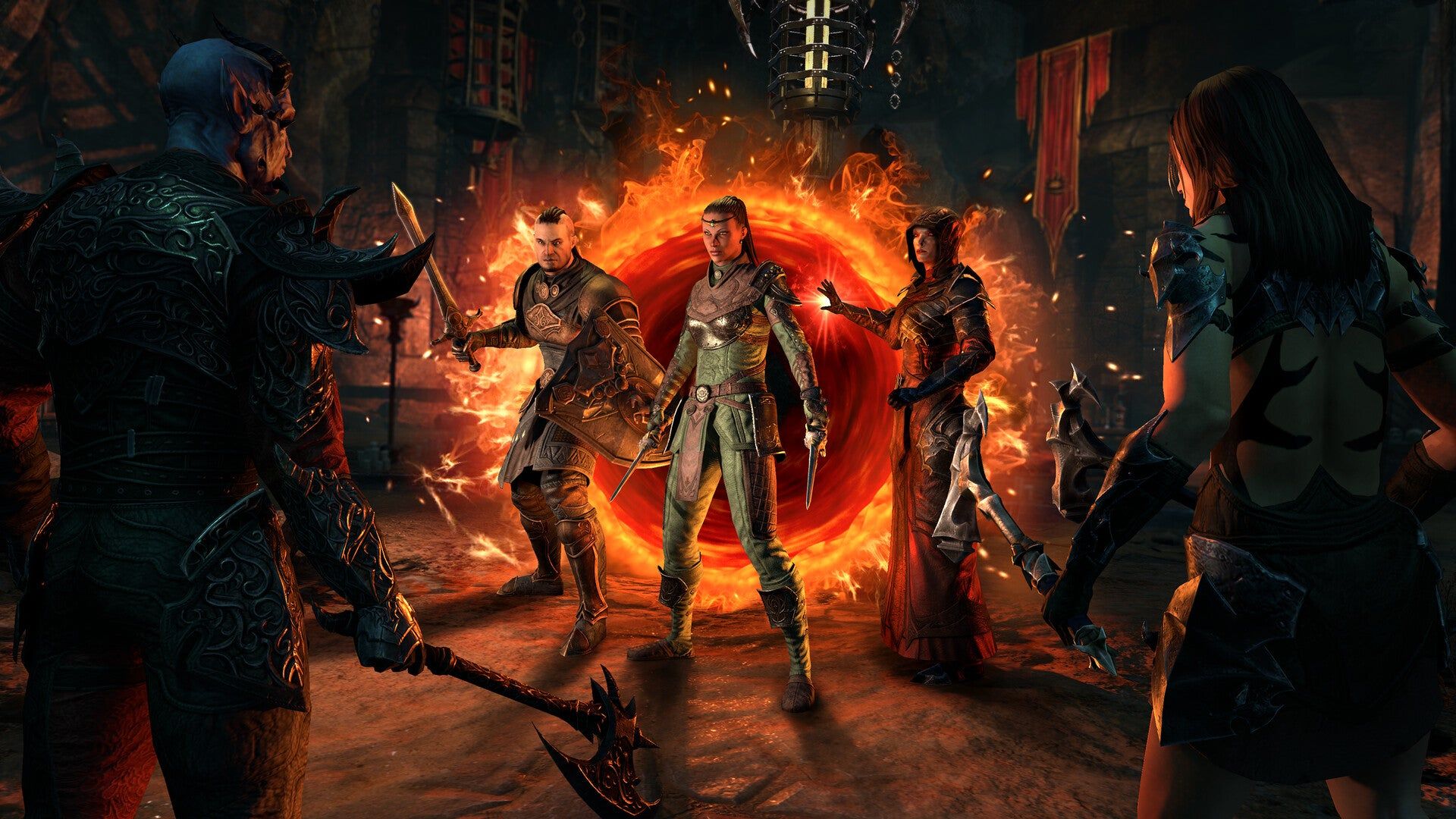
For long-time fans, this organizational change inevitably raises concerns about the roadmap for beloved titles. The Elder Scrolls Online (ESO), which launched in 2014, was among the games affected by these decisions. There were fears that development timelines might be derailed, yet the teams behind ESO have provided reassuring updates.
The developers have confirmed that the team size for ESO has been adjusted to reflect a more stable foundation, returning to the staffing level they enjoyed during the development of highly successful expansions like the Wrothgar (2015) and Summerset (2018) DLCs. This signals that the focus remains squarely on delivering quality content rather than shifting timelines.
The stability message extended beyond ZOS. id Software, the legendary developer behind the rebooted Doom series, also faced similar cuts. Despite the losses experienced by many, id Software asserted that their staff levels reflected the successful development of the 2016 Doom reboot and remain fully capable of creating “great games.”
These assurances from major studios echo a broader sentiment within the community: while corporate restructuring brings anxiety, the passion for gaming remains. Despite the ongoing uncertainty surrounding Microsoft’s larger restructuring, developers are focused on leveraging their strongest franchises to continue building the world and experiences their players cherish.
Buy on Amazon
Credit