Ex-Dragon Age lead slams Origins Fade sequence as filler
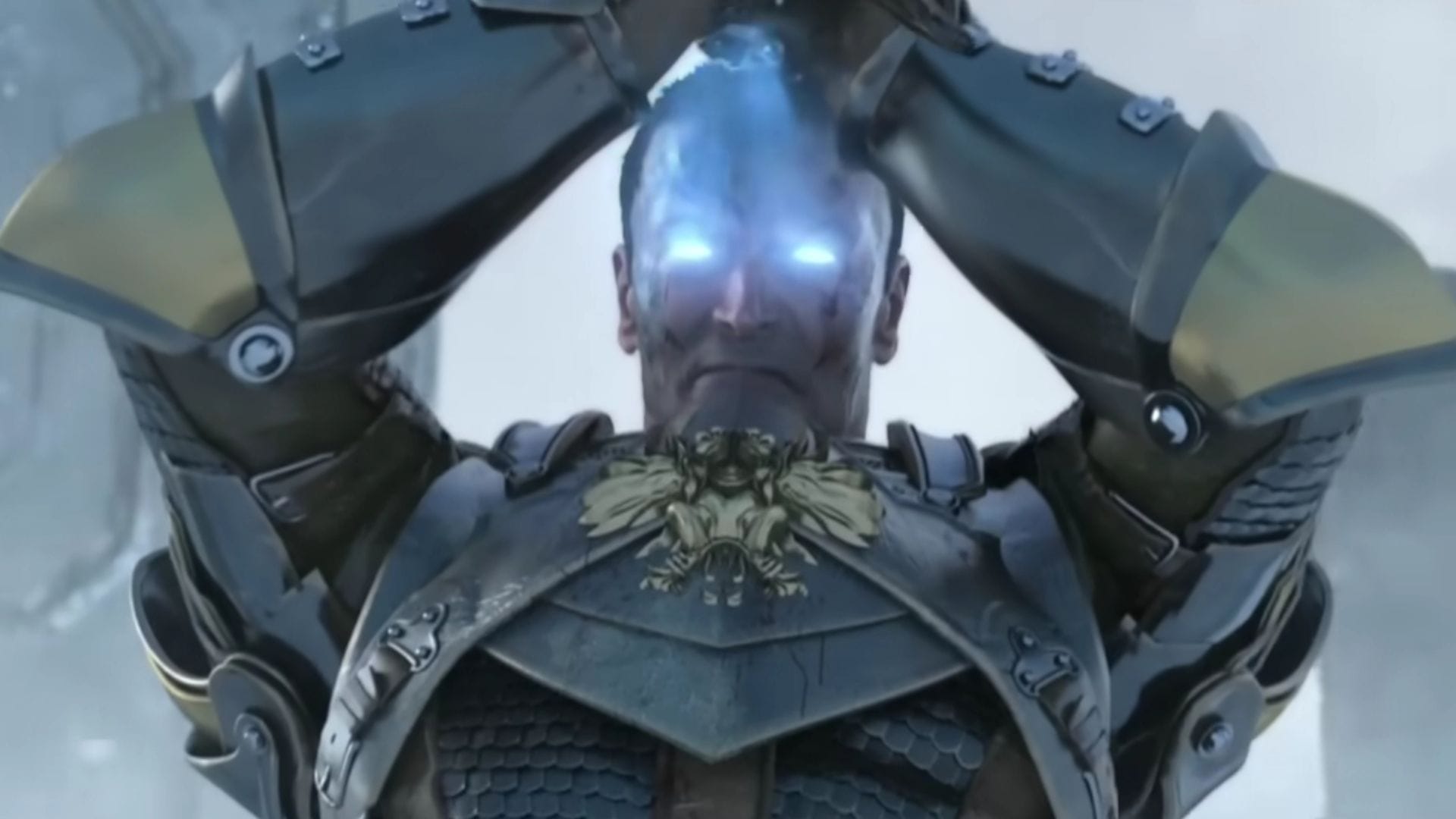
For years, the Dragon Age franchise has been defined by bold, experimental design choices, and few sequences have ignited as much passionate debate as the infamous Fade sequence in Dragon Age: Origins. While some players defended the transition to the alternate dimension as a necessary burst of fresh content, the conversation often devolved into a spirited argument over whether that sequence was brilliant or merely superfluous filler.
But now, a major voice in the franchise’s history is offering a definitive opinion, and it has settled the score. Mark Darrah, the co-director of Dragon Age: Origins, recently put his foot down, admitting that the sequence was not a triumph of design. In a recent video, Darrah addressed the ongoing discussion by directly tackling the Fade, suggesting that it failed to “age super well” and was essentially just padding.
Darrah’s candid assessment reveals a different perspective on the sequence’s role. When asked what he would cut or reduce from each Dragon Age game if given the chance, he pointed directly to the dream sequence portion within the Mage Tower, labeling it as something that was “not very good content” and “kind of filler.”
This admission is a powerful moment for fans who have spent years defending BioWare’s bold experimentation. It suggests that the highly celebrated sequences may have been less a creative leap and more a practical concession to game length. It shifts the focus from defending the spectacle to acknowledging the mechanics behind the design.
The implication is that the Fade, rather than being a necessary cornerstone of the game’s lore or gameplay, ultimately served a utilitarian purpose: extending the playtime. It’s a subtle but significant pivot in how we view the celebrated moments of the RPG.
Buy on Amazon
Credit