
Ex PlayStation boss warns devs not to call Expedition 33 a turn-based RPG
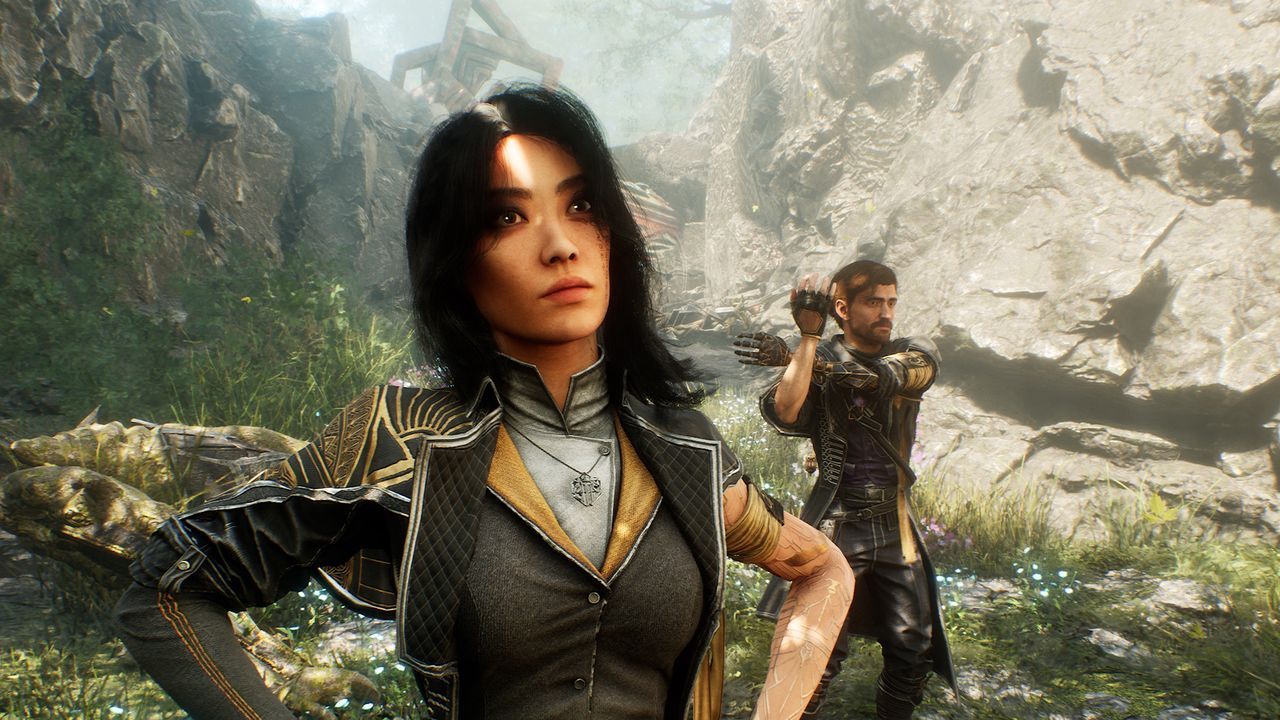
In the world of video game development, sometimes the most valuable advice comes wrapped in a delightful piece of strategic misdirection. Former Sony Interactive president Shuhei Yoshida once navigated this terrain by advising a publisher to tell the truth—or at least, a slightly different version of the truth—to ensure a game’s success. This anecdote perfectly encapsulates how innovation can sometimes leapfrog outdated genre expectations.
The focus was on Clair Obscur: Expedition 33, a game that was quietly developing amidst the prevailing stigma surrounding turn-based JRPGs. While Yoshida was genuinely impressed by the project, he felt that labeling it as a traditional turn-based RPG might have inadvertently caused players to overlook its unique appeal.
Yoshida recalled speaking during the Busan Indie Connect Festival 2026, offering guidance to indie studios on publisher selection. When looking at Expedition 33, he admired the craftsmanship, but he wasn’t optimistic about its allegiance to vintage JRPG conventions.
At the time, the gaming landscape was shifting. Titles like Baldur’s Gate 3 had recently refreshed public memory about the simple pleasure of turn-based combat, but other AA hits, such as Lies of P, suggested players were craving more action-based and brutal combat. This created a tension: how should a game that blended turn-based mechanics with real-time action inputs truly be categorized?
Yoshida saw the game’s fusion of turn-based JRPG mechanics and real-time action inputs—a style reminiscent of classics like The Legend of Dragoon—as brilliant. Yet, he cautioned against the genre label. He suggested that describing the game in a way that highlighted its dynamic combat systems would capture attention more effectively.
Developer Sansdall Interactive heeded this sage advice, shifting the promotion of the game to emphasize its “reactive turn-based battles.” This subtle linguistic pivot allowed the game to position itself as something fresh and exciting, rather than simply fitting into a historical box.
The result was spectacular. Clair Obscur: Expedition 33 ultimately received an infrared blast of praise, earning a historic number of Game of the Year awards and solidifying its place among the genre’s greats. The genre’s rules may have been more suited to the 1990s, but the game proved that audience appreciation is ultimately dictated by the experience itself.
By embracing a dynamic, modern approach, the game didn’t follow a trend; it set a new one. It stands as a powerful testament to the idea that sometimes, the most successful path forward is to defy expectation and lead the way.
Buy on Amazon
Credit