Ex-PS boss recalls reaction to PSP reveal “You bastards”
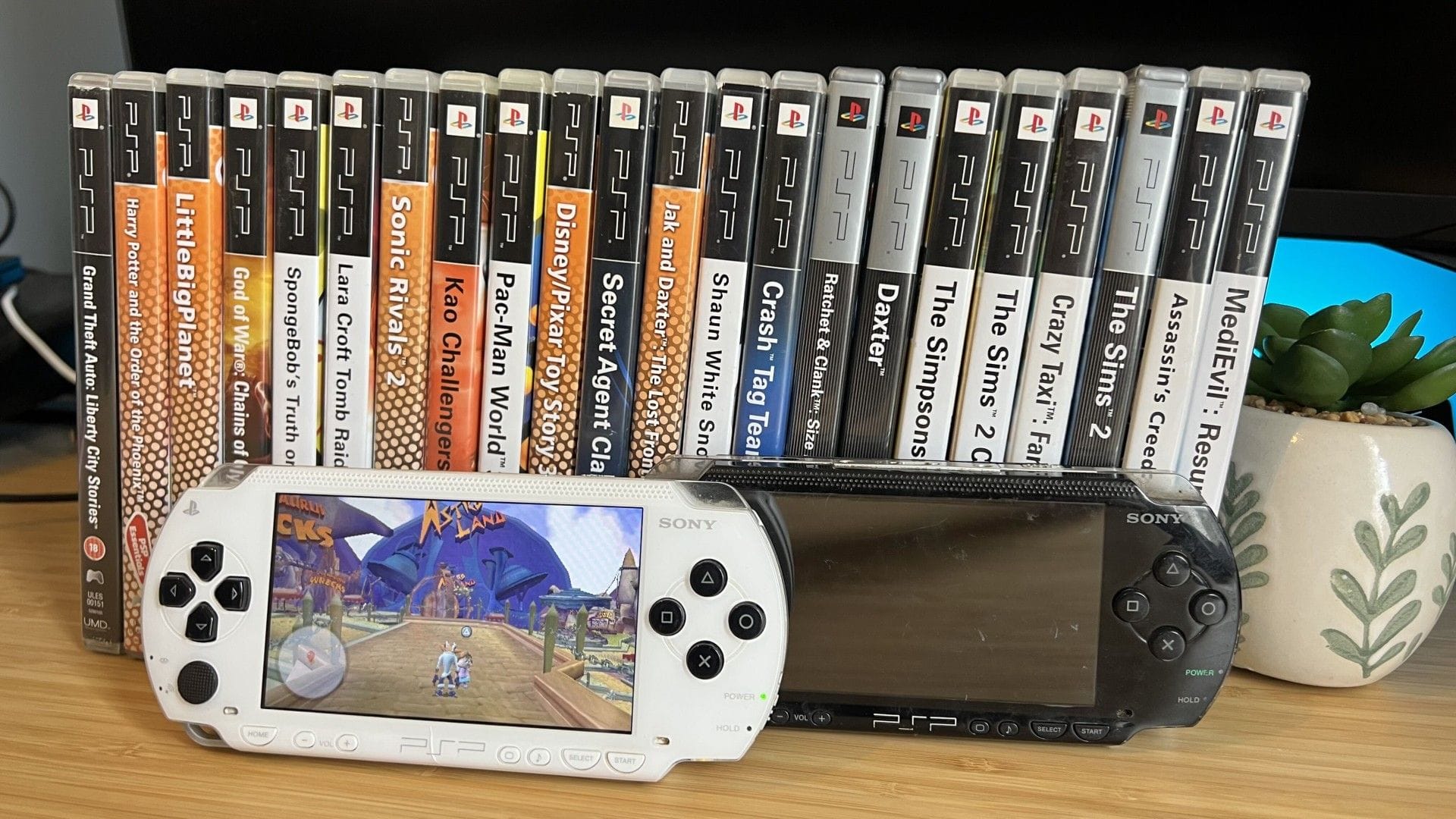
The battle for portable gaming has always been a wild, contentious affair. While we often focus on the epic conflicts waged between home consoles, the rivalry between handheld devices from the mid-2000s was equally fierce, a true “console war” fought on the move.
At the center of this digital skirmish were Sony’s PlayStation Portable (PSP) and Nintendo’s Nintendo DS (DS). Looking back, the contest between these two titans seems one-sided, yet at the time, the landscape felt anything but settled. Former PlayStation executive Shawn Layden recalls the sheer shock of Sony’s entry into the handheld market, a move that felt genuinely threatening to the established order.
Layden remembers the early days vividly, noting that the PSP launched in 2003, 2004, and 2005. He recounted the exasperation he felt when hearing from colleagues at Nintendo about the new competitor. It was a period defined by competitive tension, where the lines between gaming philosophy and market strategy were being drawn in real time.
Nintendo, meanwhile, had long established itself as the undisputed king of handheld gaming. Devices like the Game Boy and Game Boy Advance had sold hundreds of millions of units, setting a high bar that other publishers found it difficult to match. Even as the DS introduced radical concepts like multiple screens and touch interfaces, Nintendo successfully tapped into a wider, more casual gaming market. By the time the DS platform was winding down, it had sold over 154 million units.
The PSP’s success, while impressive, came with its own set of challenges. Though it sold 76 million units, it ultimately struggled against the reality of rampant piracy. As Layden admitted, the platform’s biggest hurdle was maintaining legitimate sales once the operating system was vulnerable to hacking and jailbreaking. The success of the PSP was ultimately bolstered by titles like Monster Hunter, which encouraged players to share experiences across networks.
The challenge for Sony was not just competing with Nintendo, but managing a portfolio of platforms. Layden noted the difficulty of allocating marketing dollars across a handheld, a console, and software simultaneously. This juggling act created a constant struggle to maintain focus and differentiate products in the highly competitive space.
This dynamic of platform distinction began to blur as the industry evolved. Some observers speculated that the handheld era might be over, but the philosophy behind portability is proving resilient. Today’s successful platforms, such as the Steam Deck and the Nintendo Switch, thrive on a singular promise: the ability to take the core home gaming experience anywhere you go.
The focus has shifted from replicating a console experience to simply delivering a great handheld experience. Players no longer necessarily want a portable console; they want flexibility. This fundamental shift is reflected in the current charts, where games popular across the main platform are often supplemented by experiences designed specifically for portable play.
Ultimately, the lesson from the past is clear: a company needs to define its purpose before launching a new platform. The future of portable gaming lies not in trying to replicate a console, but in mastering the art of mobile interaction.
Buy on Amazon
Credit