Ex-PS lead: Game Pass profit impossible for devs
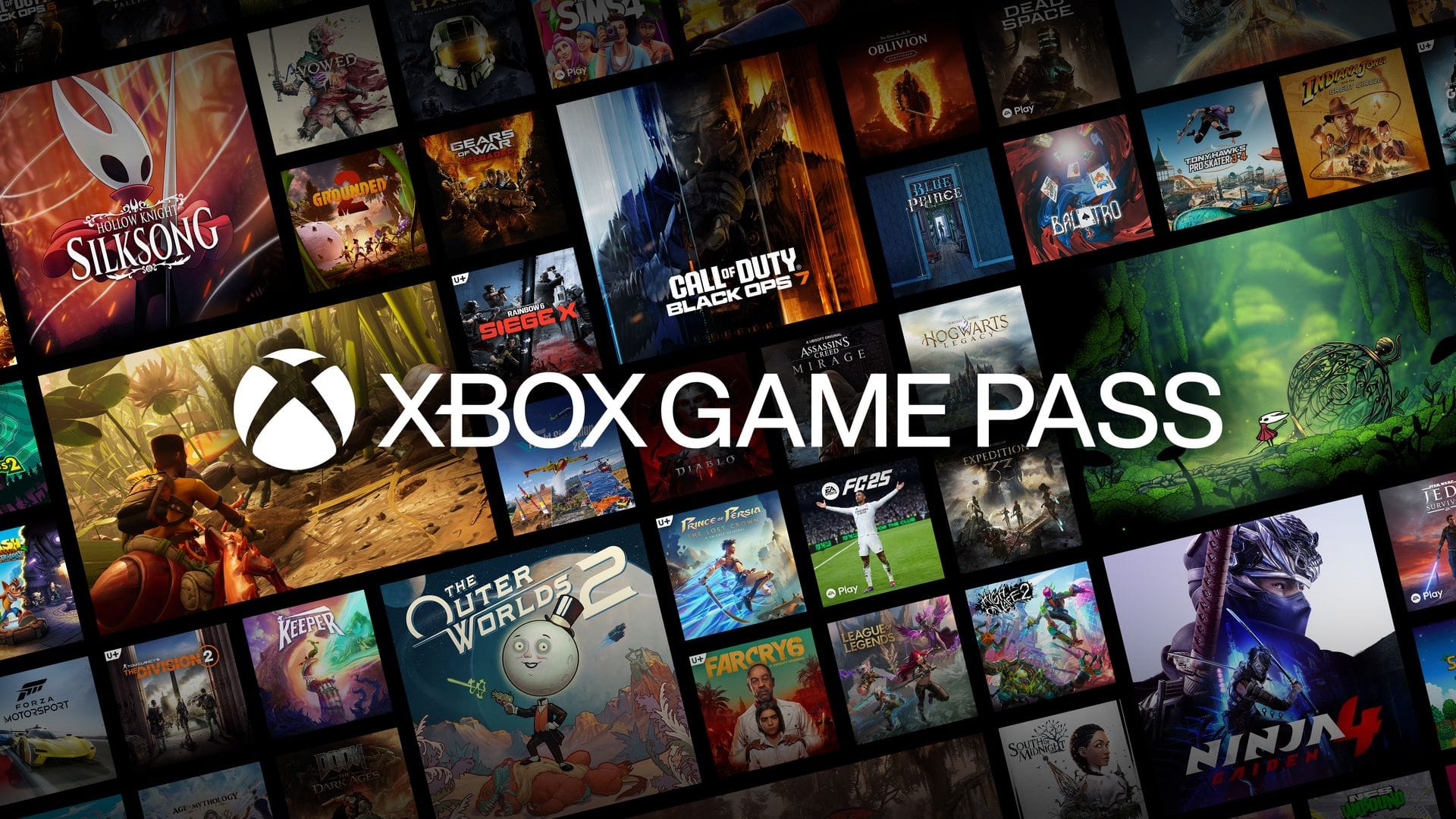
The success of gaming subscription services like Xbox Game Pass is undeniable, yet the economics behind this massive success present a thorny paradox for the developers who create the content. For many, the dream is to build a game and see it translate into tangible profit, but the subscription model often leaves creators feeling like they are fighting an uphill battle against the platform’s overarching strategy.
Ex-executive Shawn Layden, who navigated the PlayStation brand through its golden years, offers a sobering perspective on the viability of these subscription models. He suggests that true profitability for a service like Game Pass requires astronomical scale, putting the goalposts far beyond the reach of individual game developers.
“To make Game Pass truly profitable,” Layden explains, “you need something like five hundred million subscribers.” He frames this number as hyperbole, but introduces a crucial philosophical point: just as the casino always wins, the system inherently favors the house—in this case, the platform itself—making profit sharing for the creators incredibly challenging.
While the platform can certainly create a profitable experience out of monthly gaming subscriptions offering hundreds of games, Layden points out that individual developers face a different reality. “Developers are building a game with the hope of reaching overages, achieving profit sharing, or blowing through the break-even point on their games,” he notes. “In a subscription model, that becomes simply impossible.”
This economic friction is particularly stark for big-budget, triple-A titles. For a game that costs $69.99 to purchase, the window for profit is narrow. This creates a conflict with subscription models, especially when compared to platforms that avoided day-and-date releases for AAA titles. The dynamic highlights a fundamental difference in how ownership and revenue are managed between publishers and creators.
Despite these structural challenges, the subscription model offers significant benefits, particularly for smaller creators. Developers like Thomas Sala, creator of the Falconeer series, and Gareth Damian Martin, lead of Citizen Sleeper, have found the service invaluable. They argue that being signed onto the service is “generally a very positive thing,” providing the visibility and necessary infrastructure for continued development.
For many, Game Pass is not just a service; it is a vital engine for creativity and longevity. It allows developers to focus on the creative process, knowing that their work has access to a massive audience, fueling sequels and innovative projects that might otherwise never have seen the light of day. The debate, ultimately, rests on balancing the massive financial engine of the platform with the sustainable economic reality for the artists who power it.
Buy on Amazon
Credit
