Ex-PS lead wants Sony and Nintendo to keep current generation running
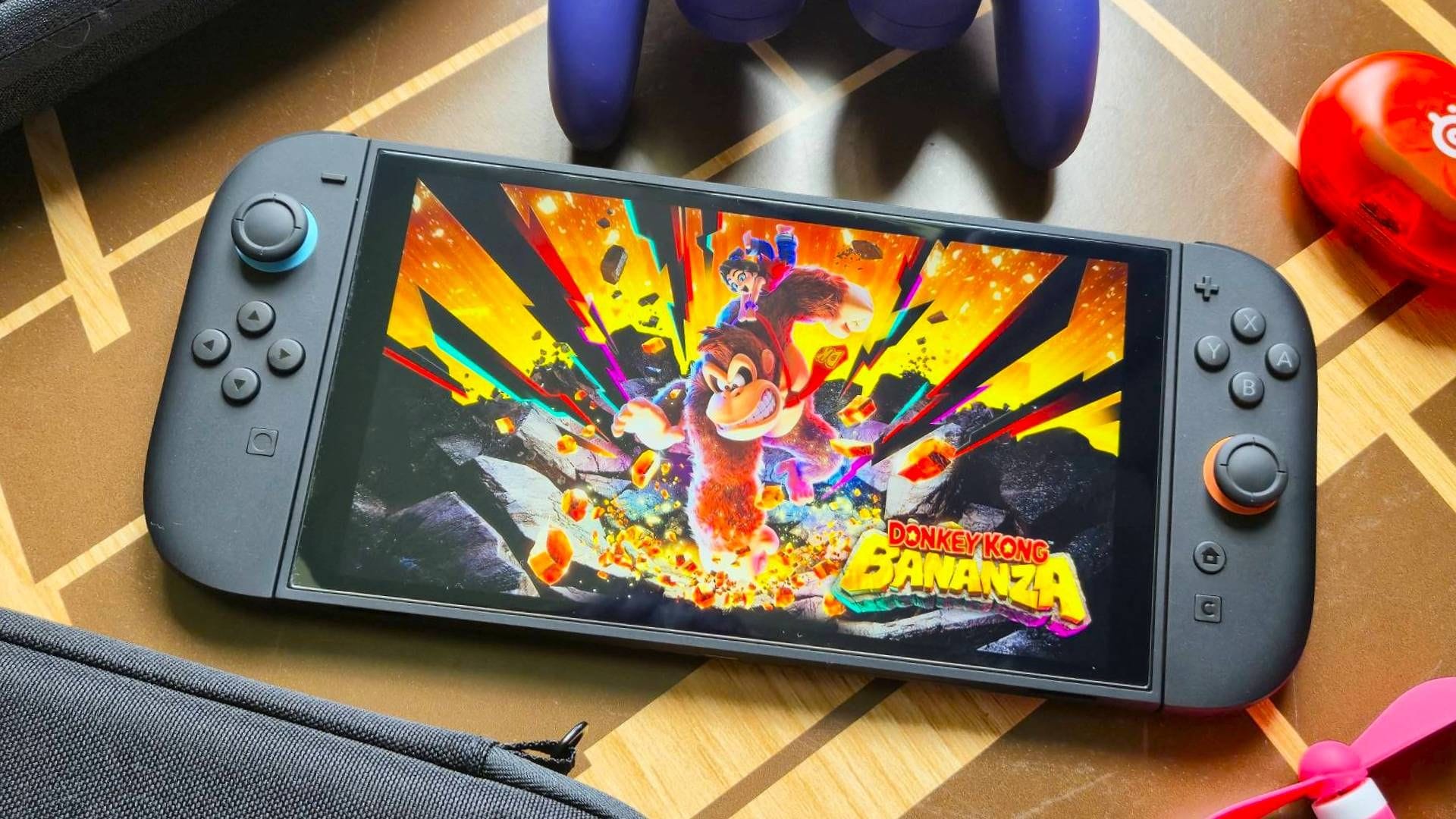
The high-stakes world of gaming hardware is currently facing an economic dilemma, and voices from the top of the industry are offering some bold advice. Former PlayStation executive Shuhei Yoshida suggests that platform holders like Sony and Nintendo should resist the urge to rush into the next generation of consoles, instead keeping their current hardware generations operational as long as possible.
This perspective stems from a growing concern over escalating costs. Yoshida argues that consumers have already enjoyed their current-generation systems—like the PS5 and the Switch 2—and that pushing for immediate upgrades ignores the reality of finite budgets.
The core issue, he points out, is the disproportionate increase in the cost of specific, device-dependent components. While the cost of entertainment has surged, the prices for hardware components, whether for consoles or powerful PCs, have skyrocketed far more rapidly. This shift means that many gamers are content with their existing systems rather than feeling compelled to replace them immediately.
Yoshida notes a fascinating psychological trend: people are generally not demanding “more power” or developers are not asking for dramatically better hardware. This suggests that the current generation is more than sufficient for the vast majority of users, creating a stable, albeit expensive, market.
He reflects on his own experience, noting that even he felt late to upgrade his gaming PC when the price hikes began. This shared sentiment underscores the idea that consumers, whether they are console owners or PC enthusiasts, tend to accept the current state of play.
While this strategy offers stability for established platforms, the competitive landscape is evolving. The Xbox company, for instance, operates with a different mandate—a desire to actively reshape the competitive environment. They face a different set of pressures and timelines.
Looking ahead, the cycle of console generations often follows a predictable pattern, with major releases typically occurring every six or seven years. If Sony and Microsoft adhere to this historical rhythm, the expectation is that the PS6 and the next Xbox generation will follow within a reasonable timeframe.
Ultimately, Yoshida’s message is a plea for patience. It suggests that rather than chasing the next technological leap driven by supply and demand, platform holders might find greater stability and longevity by allowing the current generation to thrive, letting the market dictate the pace of future innovation.
Credit
