Fable 2 Almost Zelda: Xbox’s action-adventure dream
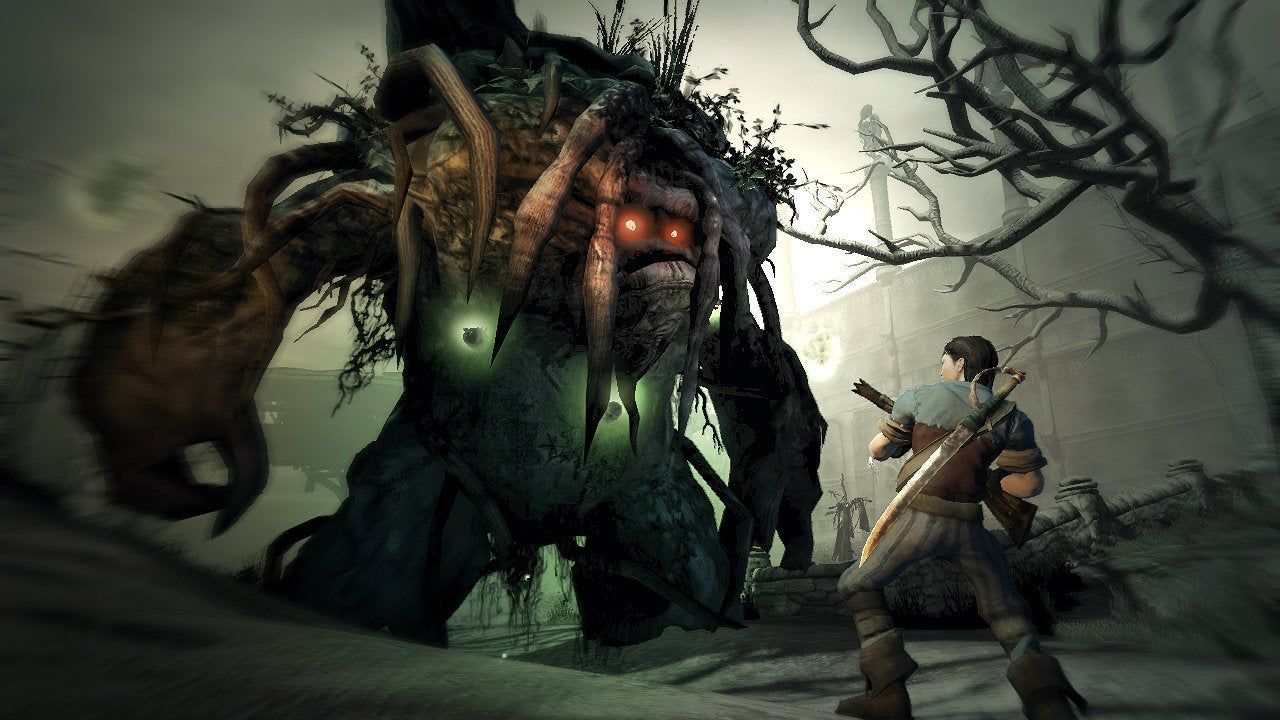
The journey of an ambitious game franchise is often a tale of promise and performance. With Fable, the story is particularly rich. It began with towering aspirations that felt almost impossible, setting an extremely high bar for everything that followed. Even before the original game shipped, the vision laid out by designer Peter Molyneux promised an RPG so alive that players could genuinely feel the growth of their world, planting an acorn that would blossom into a full tree. While the resulting experience was undeniably great, it never quite reached the monumental scale of those early dreams.
When I first reviewed the initial installment, I was captivated by the potential for pure, unadulterated evil. Watching the protagonist’s skin turn pale and horns emerge was a visceral experience. Yet, the possibilities were vast—I could have steered the narrative toward saintly redemption instead of pure wickedness. It was a moment where the design felt constrained, missing the sheer scope that the concept demanded.
It was the sequel, Fable 2, that finally began to live up to that monumental potential. Released on the Xbox 360, it leveraged the console’s increased horsepower to expand the world dramatically. This iteration didn’t just expand the map; it refined the experience, blending the core British charm and humor of the original with a far richer, more engaging adventure. If the first game was the seed, Fable 2 was the flourishing tree.
The success of this reboot came down to brilliant design choices. The game brought snazzier graphics into the HD era, broadening the visual scope to include more Demon Doors, diverse towns, and endless monsters. Crucially, the introduction of the canine companion fundamentally changed the dynamic. This furry sidekick was more than just a pet; he became an integral part of the hero’s journey, capable of alerting the player to treasure and actively participating in combat. The way the player felt connected to his dog—even feeling intense emotion when the companion was injured—added a unique layer of emotional weight to the adventure.
The combination of these elements—the refined charm, the engaging action, the expanded world, and the beloved dog mechanic—created an RPG-lite masterpiece. It proved that the franchise could achieve true brilliance, laying the groundwork for what many consider the peak of the series. While the original felt like a magnificent draft, Fable 2 felt like the final, perfect manuscript.
Ultimately, Fable 2 stands as one of the most impactful games on the Xbox platform. It achieved something remarkable: it provided a franchise that, for a time, felt like it could deliver an exclusive, Zelda-like adventure for the console. And as we look toward the future, the anticipation for a new entry remains high, suggesting that the spirit of that incredible journey is ready to evolve once more.
Credit