Fable 4 combat basics are missing Ori points out
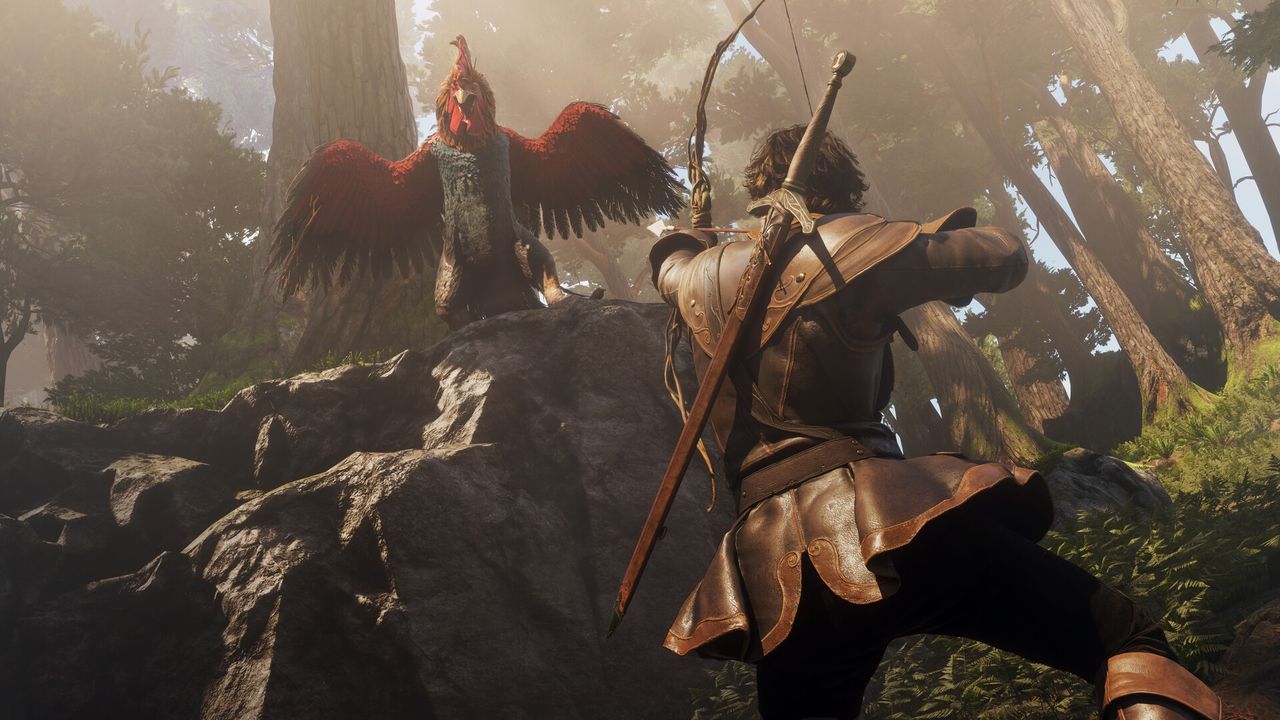
The anticipation for Fable 4 is building, but the buzz surrounding its combat system has sparked more than just excitement—it’s ignited a spirited debate about the delicate art of game presentation. As previews from events like Gamescom 2026 reveal glimpses of the action, the internet has quickly dissected the choreography, leading to some rather sharp, and sometimes unsolicited, commentary.
When clips surface, the reaction can be intense. One viral post suggesting that Fable combat might be less satisfying than other action titles has quickly drawn attention, leading some players to question how these complex mechanics are being showcased. The question, in essence, is: how do you truly convey the depth of a fighting system through a short video clip?
The response from the creators offered a masterclass in managing public perception. Thomas Mahler, head of Moon Studios, who oversees beloved titles like Ori games and No Rest for the Wicked, weighed in on the chatter. His comments immediately addressed the meta-discussion, pointing out the inherent difficulty in demonstrating combat fundamentals to an audience.
Mahler noted that showcasing combat requires showing more than just a single boss fight. He remarked that there is a “myriad of combat system basics that aren’t at work here,” suggesting that the public often misses the underlying mechanics when viewing flashy action.
In a moment that drew attention, Mahler made a rather pointed observation about the presentation itself, insisting that even when featuring major encounters, developers shouldn’t shy away from showing the full interaction. He suggested that developers should not restrict enemy reactions, stating, “you never ever resort to enemies not having any hit reacts at all.”
These remarks, while perhaps delivered with a playful edge, highlighted a broader philosophy. Mahler acknowledged that Fable’s combat has always possessed a certain charming, perhaps slightly clumsy, quality—a design choice that emphasizes atmosphere rather than pure, aggressive simulation. It is clear that the design prioritizes feel over mimicry of other action games like Gears of War.
When pressed for clarification on these seemingly barbed comments, Mahler clarified his intent. He explained that his aim was not to criticize the developers, but rather to offer helpful advice. He framed his input as a casual suggestion: “Hey, if you folks need some quick tips on how to make this feel better, I can help out!”
This turn of events brought a perfect balance to the conversation. It shows that in the world of game development, the line between critique and constructive suggestion can be fine, especially when dealing with public previews. It serves as a reminder that while we revel in the spectacle of what is shown, the true magic of game design often lies in the subtle execution—and sometimes, a little bit of honest feedback.
With the release slated for February 23, 2027, Fable 4 promises a visual and interactive experience built on unique principles, and perhaps, a slightly more nuanced understanding of what it means to make combat feel right.
Buy on Amazon
Credit