Facial Recognition stops Pokémon card scalping mandatory in Japan
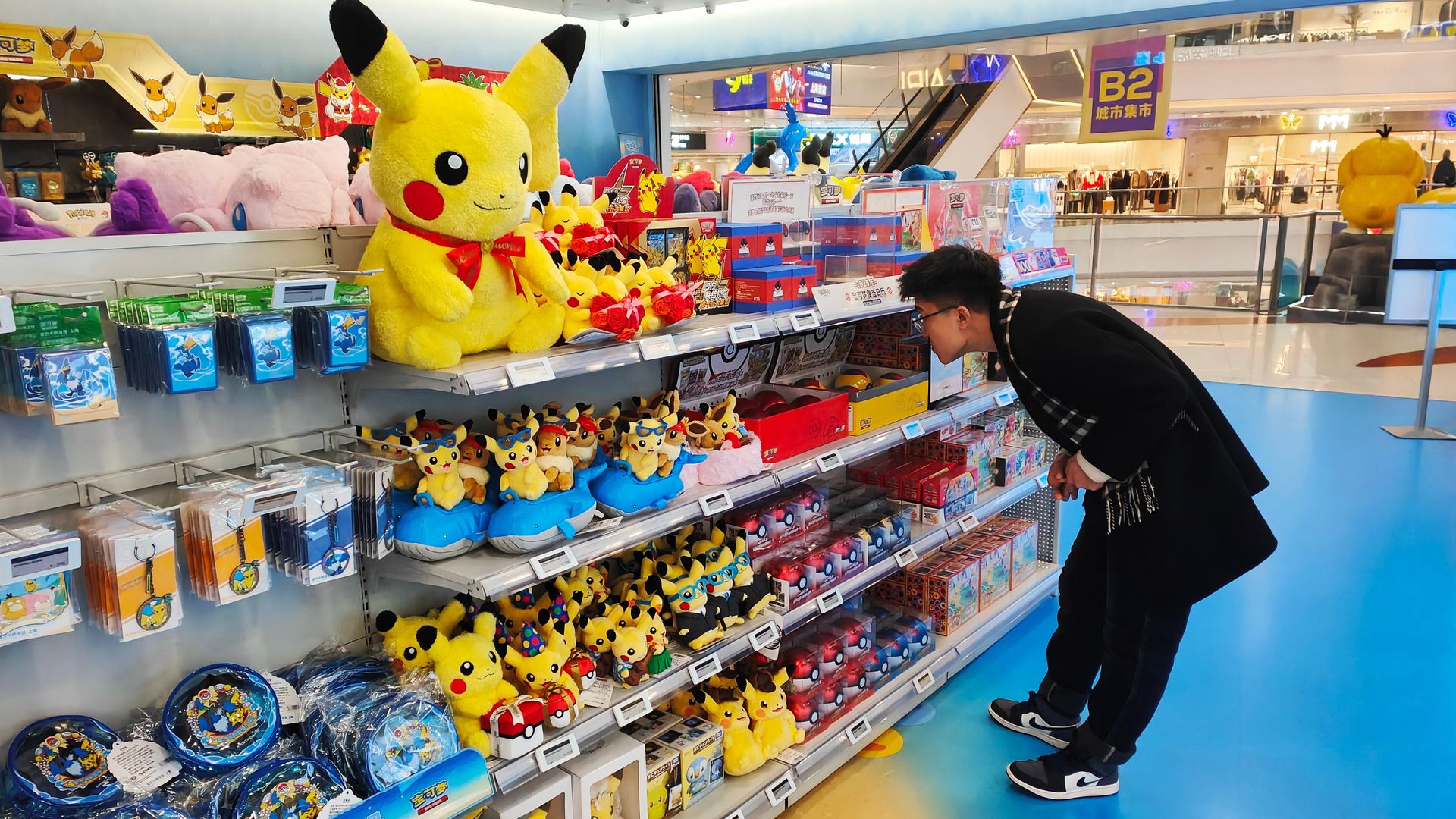
When the Cards Get Dangerous: Pokémon‘s High-Tech Security Play
The pursuit of rare collectibles has escalated from a hobby into an intense, high-stakes battleground, turning beloved trading cards into targets for criminals. The staggering demand for Pokémon cards—evidenced by the printing of 10 billion cards last year alone—has fueled a rampant scalping industry that has pushed retail spaces, both in Japan and the West, to their breaking point.
In response to this escalating chaos, the Pokémon Company has introduced some quite drastic new security measures within its official stores in Japan. To combat theft and ensure a safer environment for all shoppers, the company announced the implementation of a mandatory facial recognition system for all adult customers and children aged elementary school age or older.
This move is clearly aimed at curbing excessive spending, with entry now being limited to just one visit per person per day. Repeat entries are strictly denied, creating a clear barrier against opportunistic shoppers determined to maximize their haul.
The new guidelines also introduce a layer of accountability. Should staff observe multiple attempts to enter the store, they have the authority to speak with the individual directly, ensuring compliance with the new entry rules.
While younger fans are granted some leniency, pre-schoolers (those under elementary school age) are exempt from the facial recognition checks. However, the company stressed that young children cannot enter the stores alone; they must be accompanied by a guardian, ensuring supervision over these highly coveted treasures.
This internal security focus comes as the external reality of the market remains grim. The pursuit of rare cards has unfortunately coincided with numerous incidents of theft and violent robberies across various locations. Reports from the United States and Japan detail repeated break-ins and brazen daylight heists, some involving armed individuals and alarming methods.
Instances of desperate theft have been widely reported, including cases where individuals were arrested for stealing thousands of cards, some valued in the tens of thousands of dollars. These incidents highlight the fragility of the system when faced with overwhelming demand and criminal intent.
The juxtaposition of a massive, global corporate attempt to manage retail access through technology and behavioral rules against the gritty reality of card theft underscores a complex problem. While facial recognition is a surprising step in managing consumer flow, it remains unclear if this technological solution will fully mitigate the intense pressure driving the black market for these iconic collectibles.
Buy on Amazon
Credit