Fallout co-creator: Art is inherently unstable job stability is wrong
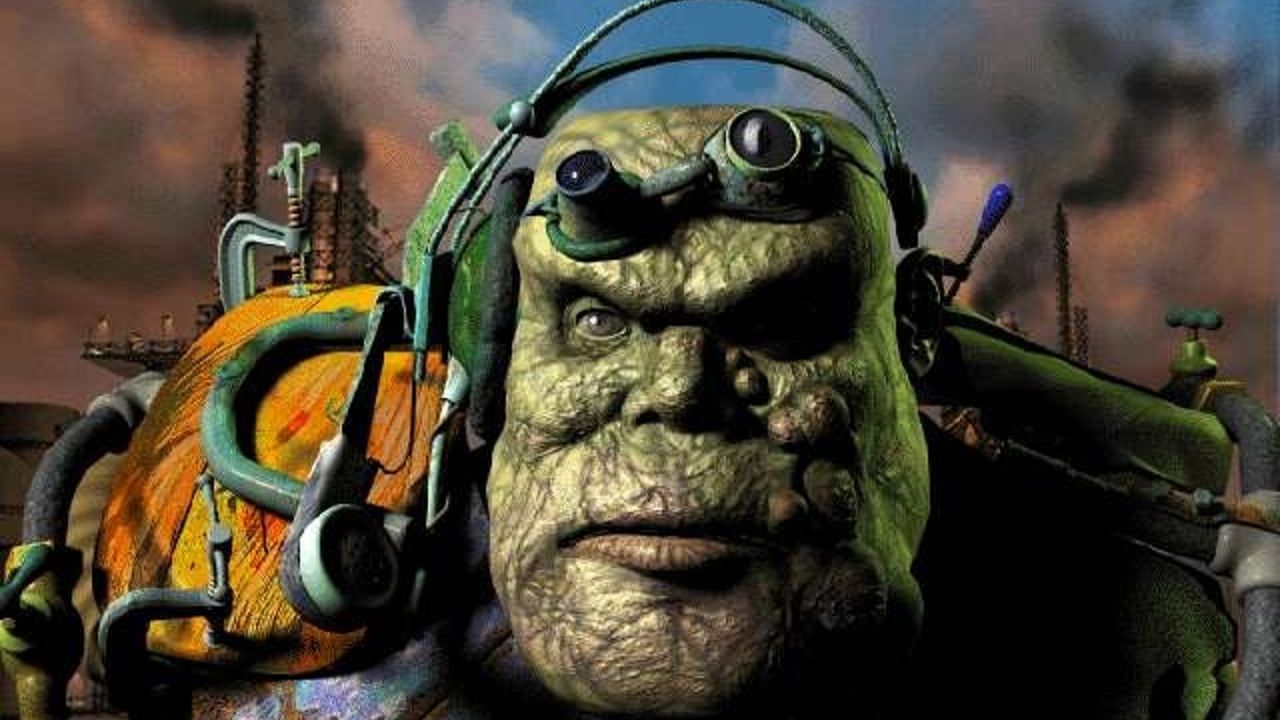
The world of video games, once a seemingly stable engine of creativity and commerce, is currently teetering on the edge of collapse. Former Fallout co-creator Tim Cain, having witnessed decades of industry shifts, is no longer offering comforting assurances. Instead, he delivers a stark, unapologetic warning: the gaming sector is splintered by mass layoffs and is under a pervasive, unique instability driven by the rise of generative AI.
Cain argues that the industry’s volatility is not a recent phenomenon. He recalls the dramatic decline of the US game developer console jobs in 1983 and watched the slow, often painful evolution of the sector—from 2D artists to 3D models, and the subsequent disappearance of countless mid-tier developers. He points out that the industry’s recent peak, artificially inflated by stay-at-home orders during the COVID-19 pandemic, has now crashed, making the current instability all the more pronounced.
His core theory is that art itself is inherently unstable because human tastes are constantly shifting. This instability is compounded by the fact that technology, including the tools artists use, is equally volatile. Right now, every professional is grappling with how generative AI fits into their artistic sensibilities and existing tech landscape. While some executives treat AI as a tool to empower creativity, others, like Cain, see it as a force that introduces pervasive instability into the production process.
The introduction of generative AI is driving this volatility in several corrosive ways. It is impacting production costs, encouraging widespread layoffs, and diminishing investor confidence. This effect is particularly pernicious when paired with the industry’s current economic comedown.
Cain predicts that this trend will accelerate. He forecasts that the gaming world, at its current pace, is heading toward a “soot-stained pile of steaming rubble.”
For developers looking to navigate this unpredictable future, Cain offers a stark mandate. He advises steering clear of relying on the traditional industry structure. Instead, he suggests two paths forward: either migrate toward other fields where shared skills are valued, or focus on developing hyperspecific abilities that make one entirely indispensable—a skill so niche it becomes the ultimate defense against market volatility, such as mastering something like “all I do is pixel shaders.”
The message is clear: the landscape is unstable, and those who plan for the future must build their careers on foundations that can withstand change.
Buy on Amazon
Credit