Fallout co-creator worries RPGs are ditching secrets
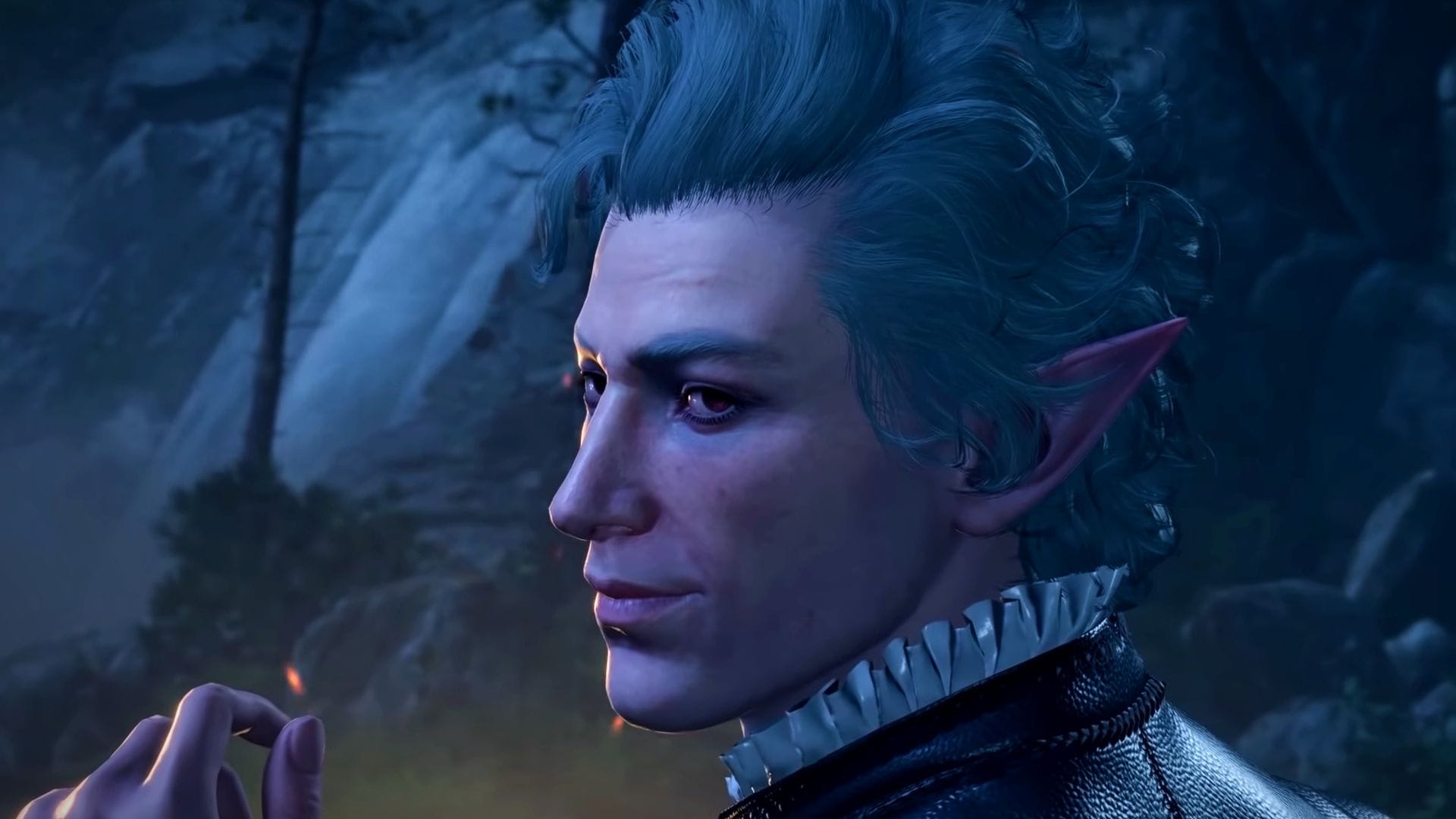
The world of role-playing games is undergoing a fascinating shift, and some veteran creators are pointing out that the very structure of game design is changing in response to corporate pressures. Fallout co-creator Timothy Cain, known for his deep understanding of RPG history, has recently offered some candid commentary on where the industry is heading—and it involves a lot less hidden treasure and a lot more straight lines.
Cain argues that the drive for linear storytelling with a defined end state is increasingly dominating the scene. He suggests that the desire to minimize development costs is pushing studios away from designing complex, non-linear worlds filled with optional content. The argument is simple: if you don’t have to build everything, you save money, and that’s a compelling motivator in the current economic climate.
“Things are really going to linear storylines, with one end state,” Cain notes. He suggests that this trend isn’t just about saving resources; it’s about making the experience more immediately accessible. By reducing the sheer volume of unseen content, developers can ensure that when players talk about a game, they have all experienced the same core moments, creating a more standardized narrative experience.
This shift fundamentally alters the way players explore. Cain contends that the era of “unguided exploration,” where players stumbled upon secrets and items through pure wandering, is fading. Now, game design heavily relies on clear signposting—visual cues, quest markers, and sound hints—to guide the player to the intended discovery. It’s a move from letting the player find things to actively pointing them toward them.
This change brings up a philosophical debate about discovery. When everything is explicitly marked, are we still engaging in the rewarding act of pure, unguided exploration? Cain suggests that this new method means the game designers assume players want to find things, meaning the narrative path is more deliberate and directed.
Of course, the reality is more nuanced. While the trend points toward structured narratives, the appeal of deeply immersive, optional content remains immensely powerful. Yet, the financial realities of game development place considerable pressure on studios to maximize their reach. Developers face the ongoing challenge of balancing artistic vision with the need to appeal to the largest possible market, often leading to tough decisions about what to include or cut.
Despite this industry trend, some of the most beloved and critically acclaimed RPG developers—like Larian, FromSoftware, and CD Projekt Red—continue to deliver worlds that cherish hidden content and rewarding rabbit holes. The question remains whether these giants will continue to prioritize the deep, optional narrative design their die-hard fans crave, or if the march toward streamlined linearity will ultimately redefine the epic scope of the future RPG.
Buy on Amazon
Credit
