Fallout director: RPGs need to be messy and force hard choices
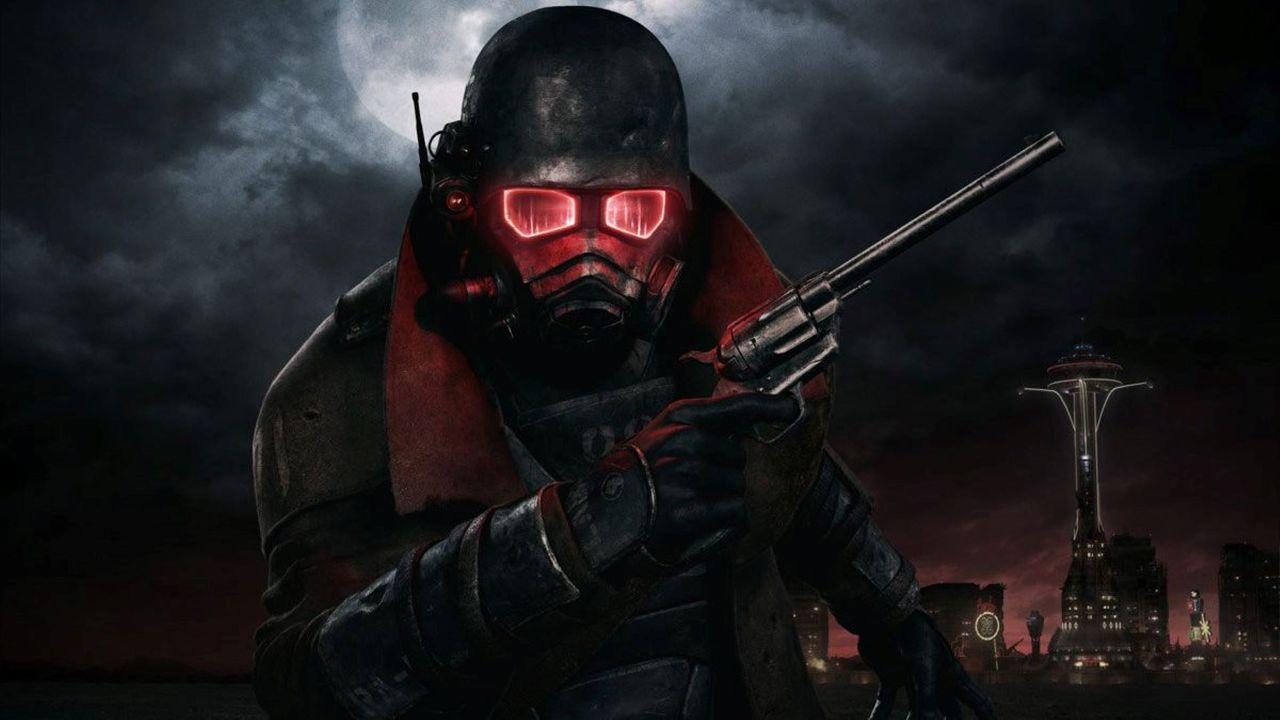
Some video games are designed to let you be a god, giving you unlimited power to sweep problems away. Others, however, are designed to make you squirm. Fallout: New Vegas and Pentiment director Josh Sawyer firmly believes that the latter approach—restricting players and forcing them to confront uncomfortable choices—is where the real narrative depth lies.
Sawyer argues that the traditional RPG desire to be omnipotent is often shallow. He finds it uninteresting when protagonists can simply save everyone and fix everything. Instead of granting limitless solutions, his design philosophy centers on creating scenarios where players must grapple with difficult decisions. This forces them to interrogate not just the game world, but their own values.
“I save everyone, I kill everyone,” Sawyer notes, highlighting the superficiality of achieving total victory without consequence. “I don’t think that makes players interrogate their values, either their own or the character that they’re playing.”
For Sawyer, the most compelling experience comes from creating scenarios where the outcome is messy. He seeks to create situations where players must choose between two good and two bad options, experiencing that sense of agony involved in making a weighty decision about what is truly important.
This focus on painful choices is evident across his work. In games like Fallout: New Vegas, the narrative forces players to confront morally ambiguous paths. For instance, removing an objective that allowed a player to help Mr. House while making peace with the Brotherhood of Steel forced players to decide if assisting the billionaire was the right course of action, rather than simply following a pre-set path.
Sawyer applies this restraint to other systems too. In Pentiment, where players attempt to solve a murder without confirmation of the culprit, the focus is on letting players “sit” with their choices rather than providing a neat, definitive answer.
The philosophy extends beyond just moral dilemmas. Sawyer aims to acknowledge that many of life’s problems are inherently human and complex, suggesting that absolute solutions are rarely possible. As he puts it, even in a fantastic world, there are powers and realities that are simply beyond human control.
By creating limitations, designers invite players to accept the reality that not every problem can be fixed by sheer willpower or power. This is less about making the game harder and more about making the player’s experience richer, grounded in genuine complexity.
Buy on Amazon
Credit